

Homemade Raccoon Trap

Table of Contents
Keeping a garden safe from various pests can be a real challenge. Raccoons can be cute, but are omnivorous creatures that can destroy a garden quickly. They sometimes hunt birds, leaving rotting carcasses behind, and raccoons will go through crops and garbage cans, and sometimes dig up grasses to find worms and grubs.
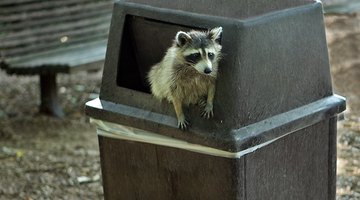
Although humane traps can be purchased at many hardware stores, it is possible to build homemade traps to capture the pests.
Baiting
Raccoons are fairly predictable animals whose nature can be used against them. With the right bait, your traps can be irresistible. The trick is getting a bait with a strong scent, as that can draw creatures from further away. Fish is a good one, or some sugar or honey-covered fruit will take care of it. Marshmallows are another popular bait, as raccoons seem to love them. When all else fails, peanut butter and jelly are other useful baits.
When baiting the trap, you will want to put the bait somewhere near the trigger mechanism.
Barrel Trap
A barrel trap is simple homemade trap. All it takes is a trash can or smooth barrel, a board about 18-inches long, and some water. Place the trash can upright by a picnic table, or somewhere that a raccoon could conceivably get inside without knocking it over. Fill the barrel about a third of the way with water; that will weigh down the container and the raccoon, but shouldn't drown the animal. Lay the board so that it goes from the table and creates a platform in the middle of the barrel, and bait the trap on the end over the barrel. When the raccoon goes for the bait, the board overbalances and the raccoon will fall into the water.
When the trap has successfully caught the raccoon, put on the lid, secure it, and haul the trap away from human habitation before releasing the creature back into the wild. If your area is under a rabies alert, then you should not move the animal, but rather contact your local animal-control office.
Less Humane Trapping
There are less humane ways to trap and dispose of raccoons. The most common is a spring-loaded leg trap, but another homemade method requires a tree, a drill, and a handful of nails. Locate a thick root on a tree, and drill a 1-inch wide, 4-inch deep hole. Bait the hole with a piece of fish, and then hammer four or more nails into the hole so that anything that puts a paw into that hole will be caught on the nails. The animal will be trapped until you return to check later, at which point you can dispose of the animal. Again, check state and local laws about the proper way to dispose of raccoons.
Disposal
Now that you have a trapped raccoon, the best thing to do is speak with your local animal control authorities, as they will know the local laws related to disposing of raccoons. Whether the animal is alive or dead, many states outlaw unlicensed citizens to handle or kill wild animals such as raccoons. If you must dispose of a live animal, take it at least 10 miles from human habitation before releasing it.
Do not touch the animal if at all possible; if you must handle the animal, wear heavy gloves and protective clothing.
Warning
If raccoons are inside your home, the best thing to do is contact an exterminator or professional animal trapper. If there is a mother raccoon in your attic, there are also likely young raccoons. Disposing of the mother will not solve the problem, and may exacerbate it.
The Drip Cap
- Keeping a garden safe from various pests can be a real challenge.
- Although humane traps can be purchased at many hardware stores, it is possible to build homemade traps to capture the pests.
- With the right bait, your traps can be irresistible.
- Marshmallows are another popular bait, as raccoons seem to love them.
- A barrel trap is simple homemade trap.
- Fill the barrel about a third of the way with water; that will weigh down the container and the raccoon, but shouldn't drown the animal.
- Now that you have a trapped raccoon, the best thing to do is speak with your local animal control authorities, as they will know the local laws related to disposing of raccoons.
References
Resources
Writer Bio
Grahame Turner has worked as a freelance writer since 2009 and a freelance reporter since 2010 for Wellesley Patch and Jamaica Plain Patch in Massachusetts. He also works part-time as a bookseller at the Northeastern University bookstore. He is a Northeastern University graduate with a Bachelor of Arts in English.
More Articles

