eHow launches Android app: Get the best of eHow on the go.

How To

How to Care for a Monstera Plant

Contributor
By eHow Contributing Writer
(1 Ratings)

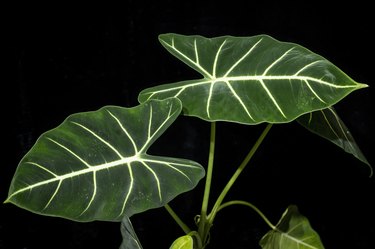
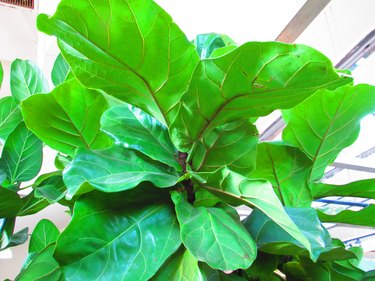
Monstera plants, also known as monstera deleciosa, swiss cheese plant, and split-leaved philodendron, are popular large houseplants. Monstera deleciosa is a native of the jungles of Central America. As vining houseplants, they can easily and quickly reach 8 feet tall with leaves 3 feet long and 2 feet wide. Immature monstera plants have dark green leaves that resemble a regular philodendron's heart shaped leaves. As the plant matures, the leaves form "cuts" or indentions from the edges into the center vein. Easy to care for and to propagate, the monstera plant makes an ideal houseplant if you can deal with its size.

Difficulty: Easy
Instructions

Things You'll Need:

  • Pot 3 inches larger than root ball
  • Broken pieces of clay pot or gravel or pebbles
  • General potting soil
  • Vermiculite or perlite
  • PVC pipe 2 inches in diameter or larger
  • Drill with 1/4 inch bit
  • Burlap or coco fiber
  • Zip ties
  • Elastic tree ties or floral tape
  • Houseplant plastic sprayer with misting nozzle
  • Liquid houseplant fertilizer
  • Soft lint-free cloth or paper towel
  • Pruning shears
  1. Step 1

    Measure the root ball of your monstera plant. Choose a container that is 3 inches larger than the root ball. Fill the bottom one-quarter to one-third of the pot with pieces of broken clay pot, aquarium gravel or pebbles.

  2. Step 2

    Make a 50/50 mix of potting soil and perlite or vermiculite. Fill your pot to the top with the 50/50 mix, making a hole just large enough for the root ball in the middle of the pot.

  3. Step 3

    Place your monstera plant in the hole and gently back fill with soil, tamping the soil around the roots to avoid air pockets. You will need to re-pot your monstera plant every three years or when it becomes root bound. Completely replace the old soil with new soil.

  4. Step 4

    Make a stake for your monstera plant by selecting a plastic PVC pipe the height you want your plant to grow. Drill several 1/4-inch holes in the PVC pipe along the entire length for drainage. Wrap the pipe with coco fiber or burlap, securing the material to the pipe with zip ties. Place the wrapped PVC pipe in the soil, just outside the root ball.

  5. Step 5

    Secure your monstera plant to the PVC pipe, loosely, with elastic tree ties or floral tape twisted into 2-inch loops. Spritz your monstera plant every other day with water to encourage aerial roots to form and attach to the stake.

  6. Step 6

    Place your monstera plant in an area where it receives bright indirect or filtered light. Direct morning sun or late afternoon sun is also fine.

  7. Step 7

    In early spring (March or April), fertilize your monstera with a general houseplant fertilizer at half the recommended rate. Continue to fertilize at half the recommended rate every three or four weeks until early fall (September or October).

  8. Step 8

    Keep your monstera plant moist but not waterlogged from spring to fall. In winter allow the top 1 to 2 inches of soil to dry out before watering again.

  9. Step 9

    Once a month, gently wipe your monstera plant's leaves, top and bottom, with a moist cloth to remove dust.

  10. Step 10

    Prune the top and sides of your monstera plant if it becomes too large for the space it is in. By cutting between aerial roots, you can make more monstera plants. Just pot the cutting in a 50/50 mix of potting soil and perlite or vermiculite. Care for the cuttings as you would the adult plant.

Tips & Warnings
  • Monstera plants will also grow in low light, however the leaves might not form the deep perforations. While it's tempting to move monstera outside during the summer, don't. Monstera plants live in the tropical understory of jungles, too much direct sun and fluctuations in temperature will cause the leaves to "sunburn" and die back.
  • Don't place your monstera plant in a room that drops below 50 degrees Fahrenheit. Over-watering will cause leaves to yellow and the stems to rot. Under-watering will cause leaves to turn brown. Inadequate light will cause leggy growth and the leaves will not form the perforations.
Subscribe

Post a Comment

Post a Comment

Related Ads

  • Have you done this? Click here to let us know.
I Did This
Get Free Home & Garden Newsletters
Copyright © 1999-2009 eHow, Inc. Use of this web site constitutes acceptance of the eHow Terms of Use and Privacy Policy .   en-US Portions of this page are modifications based on work created and shared by Google and used according to terms described in the Creative Commons 3.0 Attribution License. † requires javascript

eHow Home and Garden
eHow_eHow Home and Garden