How to Use Arnica
Arnica is an herb, commonly called leopard's bane. It grows in Central Europe and has been used as an herbal remedy for centuries. It has a bright yellow flower, and if this flower is eaten, it is toxic. Arnica plants are picked and then processed to make tinctures, oils, gels, sprays and creams.
Instructions
-
-
1
Use arnica to help with arthritis or other types of inflammation. It can also be used to help with sprained muscles, bruises and varicose ulcers. Arnica has a warming capability, and when applied to the skin, you will feel a warming sensation, which can help with the pain of sprains, bruises and arthritis.
-
2
Apply arnica prior to athletic events. The nice thing about arnica is that if you apply it before you are going to be giving your muscles a workout, it can prevent your muscles from getting stiff if you overwork them.
-
-
3
Use arnica to treat burns, including sunburns. Because of its pain-killing and inflammation-reducing properties, arnica is also good for treating burns.
-
4
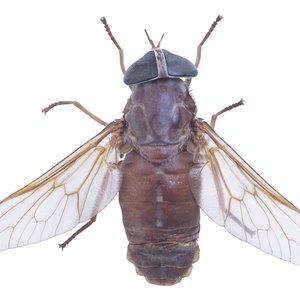
Apply arnica to insect bites. Because arnica has both antiseptic and anti-inflammatory abilities, it is good to apply to insect bites to help the swelling go down. Just remember to tell children not to scratch because arnica cannot be applied to broken skin or open sores, since it is toxic if taken internally.
-
1
Tips & Warnings
Arnica is also called mountain daisy and wolf's bane in addition to leopard's bane.
Pregnant and breastfeeding women should not use arnica. Arnica should not be applied to open sores or broken skin. Arnica should never be taken internally unless under the supervision of a doctor. While there are rare instances when arnica can be useful if taken internally, because of its toxicity you should only do so when under a doctor's supervision. If you are allergic to daisies, do not take arnica since it is a type of daisy.
References
Resources
- Photo Credit http://www.flickr.com/photos/7147684@N03/2548928213/