How to Attract Pollinator Bees

How to Attract Pollinator Bees thumbnail
pollinator bee attracted to flower

Honey Bees and native bees are the main pollinator for fruit and vegetable crops. In order to have a bountiful harvest many crops have flowers that require pollination to set fruit. Here are some simple ways to attract pollinator bees and encourage them to stay in a garden or yard. Does this Spark an idea?

Things You'll Need

  • Food sources
  • Nesting sites
  • Photos to identify different kinds of bees
Show More

Instructions

    • 1
      bees pollinate wildflowers in orchard

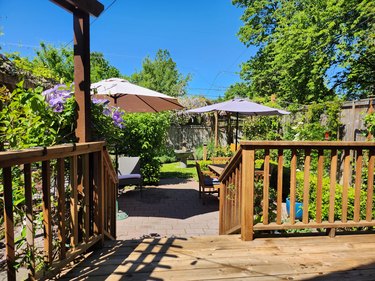
      Food Sources: Bees pollinate as a result of feeding and collecting pollen for food. They are not knowingly pollinating the flowers of crops. Keeping flowering plants in the garden and orchard all year when bees are not hibernating will attract and feed the bees throughout the season. Pollen sources will attract pollinator bees and keep them around. Having food sources will increase the population of bees in the area. Bees especially like legume plant blossoms like clover but will collect any pollen they can find.

    • 2
      Mason bee house nest

      Nesting sites for Bees: Some of the non-stinging bees, like the Mason bee can be attracted to a garden when it provides nesting sites that the bees need to reproduce. Alfalfa farmers set up nesting sites for leaf-cutter bees that are the main pollinators for their alfalfa fields. Large orchards usually set up bee hives or hire a beekeeper to bring honey bees to the area during the blooming period for pollination of their crops.

    • 3
      bumble bee pollinator

      Identification of pollinator bees:
      Get to know the different kinds of common bees and native bees in your area. Some of them may be mistaken for other insects and killed accidentally if they are not carefully observed and identified. Look at some of the bee sites listed below to get to know the differences in bees and wasps.

    • 4
      chemical sprayer used in gardens

      Responsible use of chemicals around bees.
      Read the label carefully before you spray anything in your yard and on your plants. Sprays can be used by being careful of the timing of sprays and using only where necessary. Some gardening activities that might disturb the pollination process can be scheduled for a different time of day. Overhead watering when the bees are active can wet the pollen so that it isn't left on the female blossoms. Too much overhead water can also drown them. Most bees are active in the early morning after the sun comes up when flowers are the most attractive to pollinator bees.

Tips & Warnings

  • If you don't have enough bees around for pollination you can hand pollinate some of the larger cucurbit crops yourself.

  • See article on hand pollination

  • Some people are allergic to honey bee stings so be aware of your family and neighbors before setting up bee hives.

Related Searches:

Resources

  • Photo Credit Judy Holly, Gardeners Supply

Comments

You May Also Like

Related Ads

Featured