How to Prevent and Treat Hyponatremia

How to Prevent and Treat Hyponatremia thumbnail
Prevent and Treat Hyponatremia

Hyponatremia is a depletion of electrolytes in general but sodium in particular. Electrolytes include sodium, calcium, potassium, magnesium and chloride and have either a positive or negative charge promoting electrical activity within the body. Without these minerals in sufficient quantity you literally couldn't move a muscle. Electrolytes are essential to not only metabolism but functioning of the body.
Sodium stores can be loss in a number of ways including jogging, chemotherapy, disease, liver disorders and illness.

Instructions

  1. Halt it or heal it

    • 1

      Prevent hyponatremia by drinking no more than two liters of water in a twenty-four hour period.

    • 2

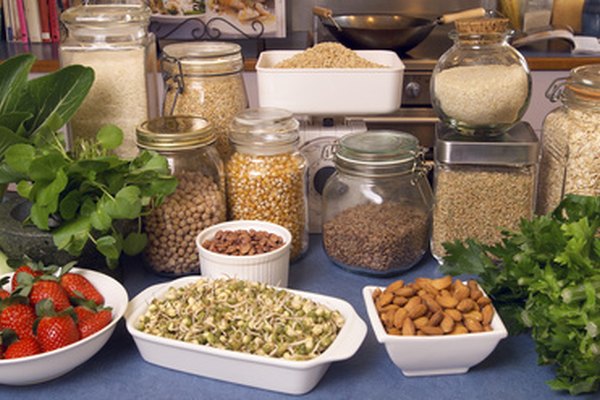
      Avoid eating any foods that cause digestive upset, headaches or muscle cramps. These are signs of food intolerance. Eating these foods hinders the rebuilding of electrolytes. Eat a healthy balanced diet of fruits, vegetables, whole grains, nuts and natural oils.

    • 3

      Exercise is both a preventive and treatment method for the restoration of electrolytes. When you exercise, your metabolism burns food and vitamins more efficiently, which aids in rebuilding electrolytes.

    • 4

      Take a multivitamin that promotes healing and that has no sugar, allergens, dyes or sugar substitutes.

    • 5

      Visit your doctor if you suspect that your electrolyte stores are depleted. Signs include sluggishness, leg/feet cramps, heart palpitations, vertigo, dizziness and muscle cramps. Once your lab reports are back and it's determined that you have hyponatremia, only then can it be treated.

    • 6

      Treat hyponatremia by restricting water intake. Many cases of hyponatremia are caused by excessive intake of water, which washes sodium and other electrolytes from the body. Once sodium is lost, it must be reintroduced slowly back into the body or swelling of the brain and subsequent death may occur.

    • 7

      Reintroduce electrolytes slowly back into the body with the use of an electrolyte supplement. Your doctor may administer an intravenous sodium/electrolyte drip if your symptoms are severe.

    • 8

      See a nutritionist and/or naturopath for optimum wellness. A naturopath facilitates healing and promotes wellness holistically, going beyond mere symptoms. The naturpath can be a medical doctor with a certificate or a trained practitioner.

Tips & Warnings

  • Consult with your doctor to understand your lab reports.

  • Don't self-diagnose hyponatremia.

Related Searches:

References

Resources

  • Photo Credit clipart.com

You May Also Like

  • How to Treat Hyponatremia

    The symptoms of sudden hyponatremia often suggest other conditions, and misdiagnose puts you at risk. A rapid shift in electrolyte levels can...

  • How to Prevent Hyponatremia

    Hyponatremia is a condition in which the electrolyte level necessary for keeping your organs "communicating" with one another becomes dangerously low. This...

  • How to Diagnose Hyponatremia

    You May Also Like. How to Prevent and Treat Hyponatremia. Hyponatremia is a depletion of electrolytes in general but sodium in particular....

  • How to Treat Hyponatremia With Salt Tablets

    Hyponatremia is an electrolyte imbalance in the body, specifically a low sodium level. Sodium is crucial for the body to transport and...

  • How to Avoid Overhydration

    "Drink before you are thirsty" is bad advice for athletes. Over-hydration is caused by drinking too much fluid. While not as common...

  • How to Treat Hyponatremia With Pedialyte

    Hyponatremia is abnormally low sodium levels in the blood. It occur with excessive water consumption or severe dehydration and is often seen...

  • How to Treat Hyponatremia When on a Feeding Tube

    Hyponatremia is a deficiency in serum sodium levels (shortage of salt in the blood), usually caused by overhydrating---or giving too many fluids...

  • Foods to Eat If You Have Low Iron

    You need iron to produce red blood cells with hemoglobin, which carries oxygen throughout your body. If your iron is insufficient, you...

  • How to Prevent Breast Calcifications

    Calcifications are deposits of calcium in the breast tissue. There are two types of breast calcifications: macrocalcifications and microcalcifications ...

  • How to Correct Low Blood Sodium by Eating High Sodium Foods

    Salt deficiency, or hyponatremia, is a condition in which the blood electrolyte levels drop to below average and even dangerous levels. The...

  • How to Keep Sodium Blood Levels in Range When Drinking a Lot of Water

    Drinking large amounts of water while not replacing electrolytes can lead to electrolyte dilution, also called hyponatremia. The loss of sodium in...

  • Foods to Treat Vertigo

    Foods to Treat Vertigo. According to the Mayo Clinic, vertigo is a sudden onset of dizziness. It can feel like you are...

  • How to Treat Hypernatremia

    Hypernatremia occurs when high levels of sodium accumulate in the blood due to dehydration. A condition that affects mostly the elderly and...

  • Can You Die If You Drink Too Much Water?

    Hypovolemic hyponatremia occurs when both water and sodium levels are low, according to the Mayo Clinic. This type develops in otherwise healthy...

  • Causes of Hypovolemia

    Hypovolemia is a condition in which there is a decreased volume of plasma in the blood. Symptoms include tachycardia (heartbeat faster than...

  • Sodium and Heart Palpitations

    Sodium is essential to life and the normal functioning of the body. Present in the blood and bodily fluids, salt has important...

  • How to Treat Warts at Home

    Are you frustrated with embarrassing warts? Don't despair. There are things you can do to get rid of warts quickly at home....

  • How to Treat Hard Water Without Salt

    Hard water is never pleasant. According to Home Water Purifiers and Filters, it can cause clothing colors to fade, make it difficult...

  • How to Increase Blood Sodium Levels

    A low blood sodium level is known as hyponatremia and is defined as a sodium level of less than 136 millimoles per...

Related Ads

Featured