eHow launches Android app: Get the best of eHow on the go.

How To

How to Fertilize With Chicken Manure

Contributor
By Tiana Mortimer
eHow Contributing Writer
(0 Ratings)
Chickens provide the best manure for fertilizer.
Jared Benedict

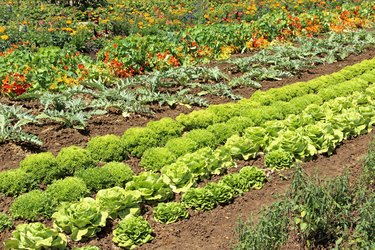
The ultimate organic fertilizer for your garden is chicken manure. It is the best natural fertilizing resource because it contains high amounts of nitrogen in addition to phosphorus, potassium and other nutrients. Unless you raise chickens, you will have to find a local resource for chicken manure such as local 4-H clubs, farmers or feed stores. Knowing how to fertilize with chicken manure will help you produce a bountiful garden.

Difficulty: Moderate
Instructions

Things You'll Need:

  • Large scoop
  • Tiller or hoe
  • Large 34-gallon garbage can
  • Shovel
  • Burlap bag
  • Fist-size rock or brick
  • Twine
  • Watering can or sprayer
  • Compost pile
  • Rake or pitchfork

    Preliminary Instructions

  1. Step 1

    Determine how much chicken manure you need to fertilize your garden. The basic rule of thumb is to use 50 pounds of chicken manure per 100 square feet of garden soil.

  2. Step 2

    Choose your preferred method to fertilize your garden with chicken manure. There are three ways: mixing the manure directly into the garden soil, making a manure tea, or composting the manure.

  3. Step 3

    Allow the manure to age before broadcasting it into the soil (should you choose the direct method). It is the safest way to fertilize if you do not want to compost or make a manure tea.

  4. Directly Mixing Manure into the Soil

  5. Step 1

    Use a large scoop to broadcast the chicken manure evenly over your garden soil.

  6. Step 2

    Let the manure rest in a pile outdoors for at least three weeks before spreading the chicken manure.

  7. Step 3

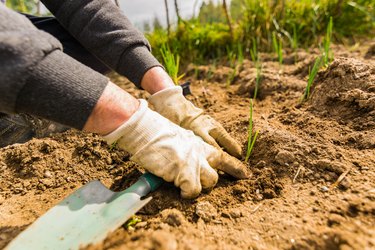
    Work the aged chicken manure into your garden soil using a hoe or tiller before planting.

  8. Making Chicken Manure Tea for Fertilizer

  9. Step 1

    Prepare the chicken manure tea by filling a large garbage can three-fourths full of water .

  10. Step 2

    Shovel the chicken manure into a burlap bag, put in a rock or brick and then tie the opening shut with twine. Place the burlap bag in the water-filled garbage can. The rock or brick will weigh down the burlap bag, keeping it submersed in the water.

  11. Step 3

    Allow the chicken manure to sit for three weeks in the water. The water will become rich with nutrients, creating chicken manure tea.

  12. Step 4

    Fill a watering can or sprayer with the manure tea and water your garden plants or seeds so they can benefit from this homemade liquid fertilizer.

  13. Composting Chicken Manure for Fertilizer

  14. Step 1

    Add the chicken manure to your existing compost pile and water it thoroughly.

  15. Step 2

    Use a rake or pitchfork to turn over the composting material, mixing the chicken manure with the other organic ingredients.

  16. Step 3

    Turn the manure every two to three weeks to aerate the compost pile. In about six months, the chicken manure compost will be ready to spread over your garden soil as fertilizer.

  17. Step 4

    Fertilize your garden by mixing the composted chicken manure into the soil using a hoe or tiller.

Tips & Warnings
  • Choose chicken manure mixed with litter such as hay, sawdust or wood shavings because the nitrogen content is typically higher than manure without litter. Wear gloves to protect your hands from fresh chicken manure as it could harbor viruses, worm eggs or even bacteria that cause chicken disease.
  • Do not spread fresh chicken manure as fertilizer because it contains high nitrogen levels that will burn and possibly kill the plants in your garden.
Subscribe

Post a Comment

Post a Comment

Related Ads

  • Have you done this? Click here to let us know.
I Did This
Get Free Home & Garden Newsletters
Copyright © 1999-2009 eHow, Inc. Use of this web site constitutes acceptance of the eHow Terms of Use and Privacy Policy.   en-US Portions of this page are modifications based on work created and shared by Google and used according to terms described in the Creative Commons 3.0 Attribution License.

eHow Home and Garden
eHow_eHow Home and Garden