eHow launches Android app: Get the best of eHow on the go.

How To

How to Watch for Signs of Infection After a Total Hip or Total Knee Surgery

Member
By maryegbertpt
User-Submitted Article
(0 Ratings)

I have been a physical therapist for over 14 years and have rehabed 1000's of folks. I will teach you signs of infection after a total joint surgery and when to call your doctor. I will also add in a few other things you may not know to do after a total joint surgery.

Difficulty: Easy
Instructions
  1. Step 1

    Total joint surgery has a high risk for infection. Here are some of the signs to watch out for.
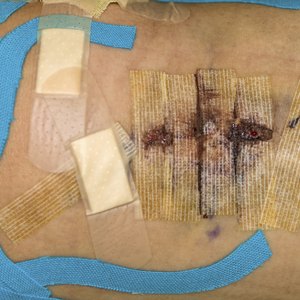
    1. Redness around the surgical sight
    2. Any drainage from the surgical incision
    3. Fever
    4. The surgical sight is warm to the touch
    5. Nausea and/or vomiting

    Call your doctor if you have any of these signs.

  2. Step 2

    How to prevent infection
    1. Do not soak in a tub until your doc clears you to do that.
    2. Do not rub lotions or oils on your incision until it is completely healed.
    3. It is ok to wash your incision with soap and water and pat dry...keep your incision dry.
    4. If you smoke, try to quit. This will greatly reduce the rate of healing.

  3. Step 3

    These are signs of a blood clot

    1. The lower leg, or calf, on the surgical leg is swollen
    2. The lower leg, or calf, is sore to the touch
    3. The lower leg, or calf, is red
    4. Your calf hurts when you walk

    How to prevent blood clots...walk, walk, walk...oh yea, and walk! Ankle pump exercises help too. Any activity that causes a pumping action of the calf muscle prevents the pooling of blood in the veins that can cause a blood clot.

    Call your doc if you have any of these signs or symptoms of a blood clot. If you suspect a blood clot limit your walking, do not put any heat on your leg either.

  4. Step 4

    The last thing that may happen after the surgery is what's called a pulmonary embolism. This is a blood clot in your lungs and is a very serious situation. The signs for this are:
    1. Unexplained shortness of breath
    2. Chest pain that gets worse with a deep breath, coughing, or chest movement
    3. Coughing up blood.

    Some other symptoms may be:

    1. Rapid heart rate
    2. Sweating
    3. Fainting

    If you suspect a pulmonary embolism (PE) call your doc right away and if you cannot get your doc got to an ER for treatment. Again, this can be life threatening.

Tips & Warnings
  • This is no way takes the place of the medical advice from your doctor. I am not responsible for any harm that may occur by someone reading this article.
Subscribe

Post a Comment

Post a Comment

Related Ads

  • Have you done this? Click here to let us know.
I Did This
Get Free Health Newsletters

Copyright © 1999-2009 eHow, Inc. Use of this web site constitutes acceptance of the eHow Terms of Use and Privacy Policy .   en-US Portions of this page are modifications based on work created and shared by Google and used according to terms described in the Creative Commons 3.0 Attribution License. † requires javascript

Live Strong Partner
Livestrong_eHow Health