Things You'll Need:
- Crocus sativus corms Sandy soil Planting box or raised bed Cold frame lid Hand trowel Space for drying and storing stigma
-
Step 1
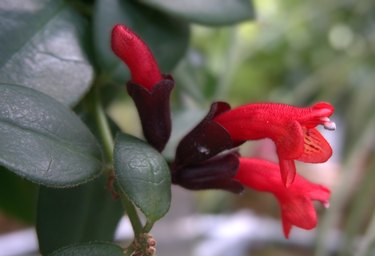
Saffron crocus bloom in a Japanese garden.Grow crocus sativus in boxes, raised beds or pots. If summers are warm and dry and winter temperatures don't ever dip lower than 14 degrees F, you can grow your crocus in plots about a yard wide and two yards long. If you plan to plant your crocus outside, choose a spot that never floods---crocus sativus rot in standing water, hence the suggestion for raised beds. Choose warm, sunny spots for your crocus beds or containers.
-
Step 2
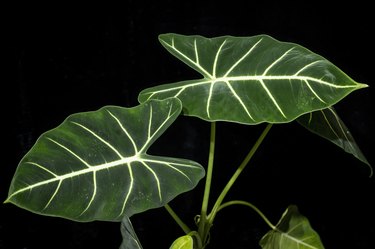
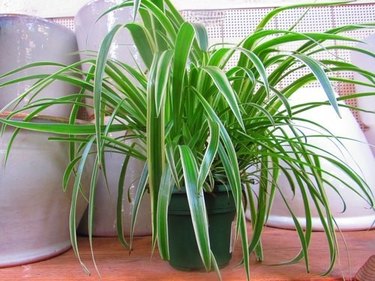
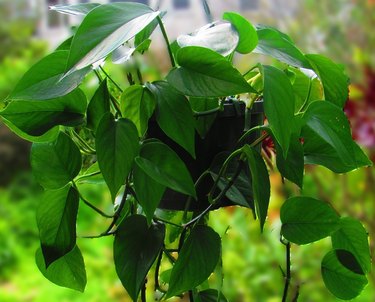
This Thai plant displays the grassy foliage typical of crocus sativus.Set out corms in late July and August as soon as they are received from the grower. Many mail-order nurseries sell saffron crocus---plan on paying about a dollar per corm---and will ship them at precisely the time they should go in the ground. Plant corms in sandy loam---add about 25 percent sharp sand, available at garden centers, to regular potting soil. If you choose to plant your crocus in the ground, add humus or compost to lighten the soil and then add sand to provide good drainage.
-
Step 3
Use saffron for a variety of rice dishes like this paella Valenciana.Plant corms about an inch apart and four inches deep in the soil. Water well, but do not water again until your crocus begins to send up leaves. When leaves begin to appear in 30 to 40 days, water only to keep soil moist; do not let it dry out completely because this signals the corms to go into dormancy. Blooming will take place after about 30 days following the first leaves.
-
Step 4
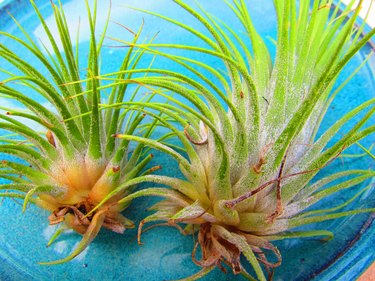
Dried stigma from a Greek plant.Harvest saffron as the stigma mature in late September through November and continue to water as usual until early spring when the foliage begins to die back. Stop watering and allow the grass-like leaves to dry out before clearing off. Given humus-rich compost, crocus sativus require little fertilizer; a dressing of nitrogen-rich fish emulsion can be applied after blooming for good root and corm heath.
-
Step 5
Thai saffron is more brownish-red than other types.Dig corms up in the spring every year or two and remove the "daughters" (the baby corms that grow above the parent). Discard parent corms---they only bloom for a few years---and set the young corms in the garden or containers. Set containers in a warm, sunny place and wait until leaves begin to show before watering. Never let corms sit in water. If your garden is wet in the spring, plant corms in raised beds with cold frame tops or in containers in a sunny window until they've sprouted and can be moved outside.