
Pool Rules on a Table Scratch (Expert Video)
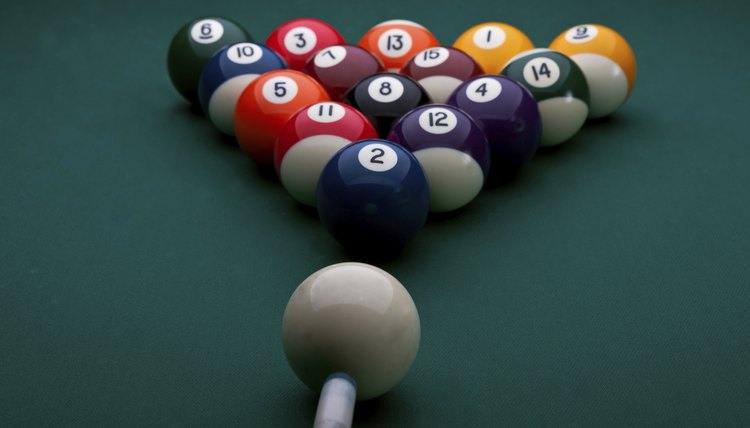
8-ball pool is one of the most popular hobbies in America. While all poolplayers understand that the object of the game is to hit your group of balls (either striped balls or solid balls) into one of the six pockets on the playing surface, some do not understand game rules, and especially pool rules when it comes to player scratches.
What is a scratch in pool?
fotosuper/iStock/Getty Images
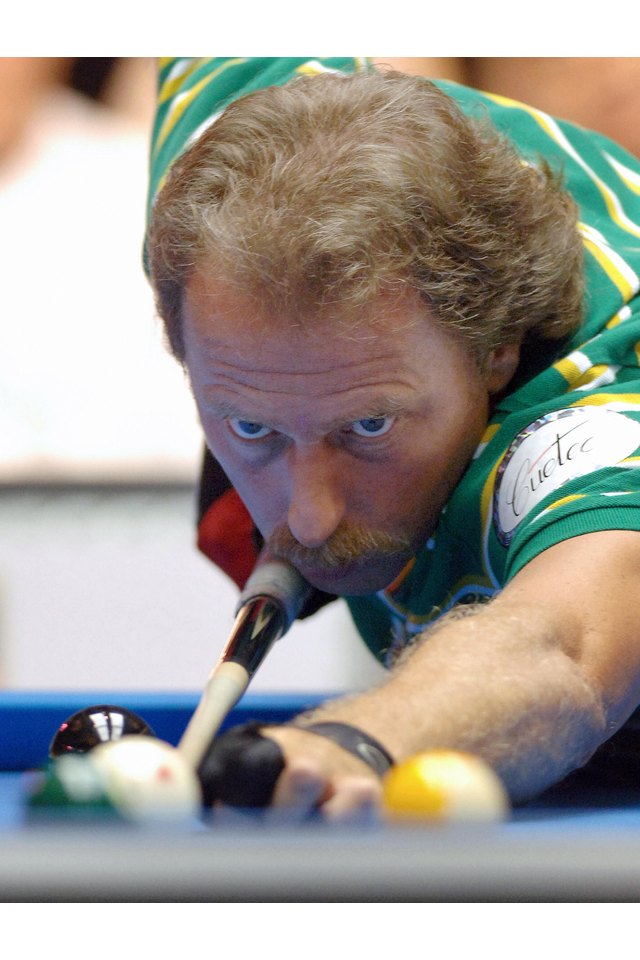
The Billiard Congress of America, who sets the standard on official rules of pool games, defines a table scratch -- a shot on which the cue ball is pocketed -- as a foul. Even if you successfully pocket an object ball, either on the break shot or a regular shot mid-game, you scratch if the cue ball drops into any pocket on the pool table.
In addition, a table scratch can occur when the shooting player does not drive the legal object ball into either a cushion or into a pocket. Anytime you scratch, you lose your turn and the opposing player takes over.
The rules also note that if a pocket is full of balls and the cue ball touches one of the pocketed balls, it is a scratch. As one of the more common ways to commit a foul, a scratch can happen on a break or during game play.
Break Scratch Rules
If you scratch on a legal break shot, any ball pocketed stays pocketed. The incoming player gets the cue ball in hand, places it behind the head string and takes the next shot.
When you play pool, you will notice that the head string is typically indicated on the end of the table opposite to where the rack is set, by the second small dot or diamond on top of the side rails. 8-ball rules note that if you scratch on the break and pocket the eight ball, your opponent has two options -- “re-break” or “shoot after re-spotting the eight ball behind the head string”
fotosuper/iStock/Getty Images
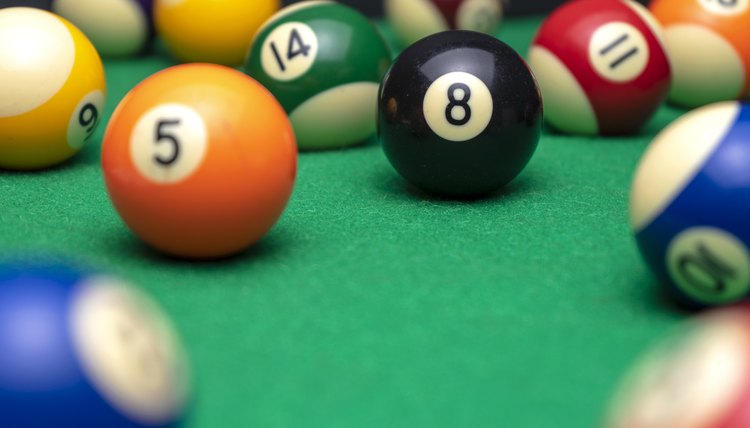
8-Ball Scratch
If you scratch while attempting to pocket the eight ball and the eight ball was not pocketed, it does not result in a loss of game for that player- the game continues. Your opponent gets the cue ball in hand, places it anywhere on any side of the table and shoots.
To avoid scratching the cue ball, be sure to aim your cue tip for the center of the cue ball in order to hit the ball the way you were envisioning. Also, make sure to not use too much strength as a hard hit increases unpredictability. Players should also avoid hitting their opponent’s ball first because if the first ball you hit isn’t your own ball, it is a scratch.
Legal Shots
With the cue stick, players must hit the cue ball into an object ball, which then travels towards a whole or the wall, in order to be considered a legal shot.
References