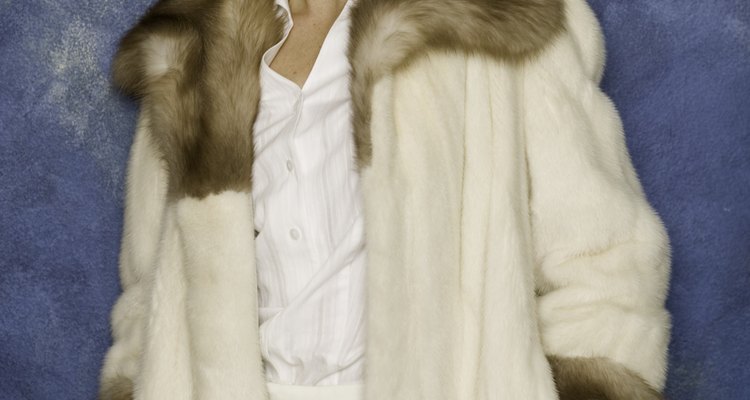
Sweat and underarm odor is an unfortunate fact of life that sometimes leaves behind an unpleasant smell on your clothing. Perspiration is your body's natural way to maintain a lower temperature, and it's not the sweat that's causing the odor but the bacteria found lurking under your arms. If you're strapped for time, or the smell of sweat is lingering after laundering, there is a quick and effective way to eliminate the unpleasant odor of perspiration from your coat.
Step 1
Turn the coat inside out, and lay it down on a towel. Sprinkle baking soda over the affected area of the coat. Work the baking soda into the coat with your fingers.
Step 2
Allow the baking soda to remain for at least 30-minutes. The baking soda absorbs the sweat odors without causing any discoloration or damage. Shake the coat outdoors or over a garbage can. Remove any remaining powder by running a vacuum cleaner's hose attachment over your coat. If the odor is still strong, reapply the baking soda, and allow it to remain for an additional 30-minutes.
Step 3
Hang the coat outside for at least one hour. This helps remove any lingering odor and works the baking soda out of the coat's fibers.
Step 4
Hang the coat inside and spray a fabric freshener on the underarms. If a fabric freshener isn't available, the Organic Authority recommends creating your own with a mixture of 1-part white vinegar, 1-part water and 2 to 3 drops of your favorite essential oil. Pour the ingredients into a plastic spray bottle, and apply liberally to the coat's underarms.
Related Articles

How to Make Your Jacket Not Have Static

How to Clean a Peacoat

How to Get the Smell Out of an Oilskin ...
How to Get an Oily Gel Spot Out of a ...

How to Remove a Mold Stain From a Ski ...

How to Sanitize Dress Shoes
How to Clean an Oilcloth Coat
How to Get Gas Out of a Coat?

How to Wash a Dirty White Coat
How to Keep Wool Coats Lint-Free

How to Clean the Smell From the Inside ...
How to Clean Soiled Nylon Jacket Cuffs

Natural Ways to Stop Armpit Sweat
How to Shrink a North Face Coat
How to Prevent Polyester Pants From ...

How to Waterproof a Coat
How to Keep Keen Sandals From Stinking

Removing the Smell From an Oilskin Coat
How to Repair a Mink Coat That Is ...
How to Fluff a Mink Coat
References
Writer Bio
Residing in Chippewa Falls, Wis., Jaimie Zinski has been writing since 2009. Specializing in pop culture, film and television, her work appears on Star Reviews and various other websites. Zinski is pursuing a Bachelor of Arts in history at the University of Wisconsin.
Photo Credits
Photodisc/Photodisc/Getty Images