How to Set Up a Linksys WRT54G Wireless G Router

How to Set Up a Linksys WRT54G Wireless G Router thumbnail
It's not difficult to set up a Linksys wireless router.

The Linksys WRT54G is a wireless router designed for use in a home office or small-business network. The WRT54G will allow you to share a high-speed Internet connection, via Ethernet, with up to four computers; you may also connect 802.11g- and 802.11b-enabled devices to the router via a wireless connection. The device is capable of wireless transfer rates of up to 54 Mps (802.11g), and features WEP encryption, a built-in firewall, two detachable antennas and the Linksys “SpeedBooster” technology, designed to improve wireless network performance by up to 35 percent.

Instructions

    • 1

      Shut down any devices you wish to incorporate into your network, including computers and cable or DSL modems.

    • 2

      Connect one end of an Ethernet cable to any of the numbered ports on the rear of the router. Connect the remaining end to the Ethernet port on your computer. Connect a second Ethernet cable to the port on the router labeled “Internet.” Connect the other end of the cable to your high-speed modem.

    • 3

      Power on your high-speed modem. Plug the router’s power supply into any available electrical outlet and connect the power supply to the appropriate port on the rear of your router. Examine the LCD lights located on the front of your router. Wait for the LCD light labeled “Diag” to stop displaying a bright red light, and then turn on your computer.

    • 4

      Open the network management control panel for your operating system. In Windows, open the “Start“ menu, select “Control Panel” and double-click on the “Network Connections” icon; in OS X, open the “Apple” menu, select “System Preference” and click on the icon labeled “Network.”

    • 5

      Configure your network settings. In Windows, double-click on the icon labeled “Local Area Connection,” click on the button labeled “Properties,” click on the option labeled “Internet Protocol (TCP/IP),” select the option labeled “Obtain an IP address automatically” and click “OK" twice. In OS X, select “Using DHCP” from the pull-down menu labeled “Configure IPv4.” Repeat this procedure with any other computers you wish to connect to the router.

    • 6

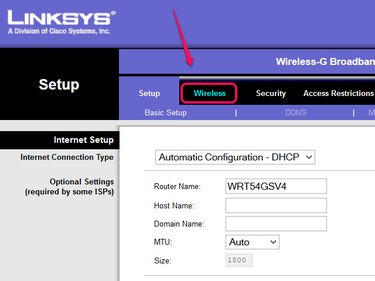
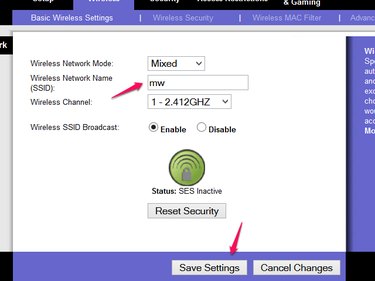
      Open your Web browser and enter “192.168.1.1” in the address field. When prompted, leave the “User Name” field blank and enter “admin” in the “Password” field. Locate the wireless mode menu and select the appropriate option, based on the types of devices you wish to connect to your network (if uncertain, select “Mixed”). Choose a unique SSID name and enter it in the appropriate field. Click “Apply.”

    • 7

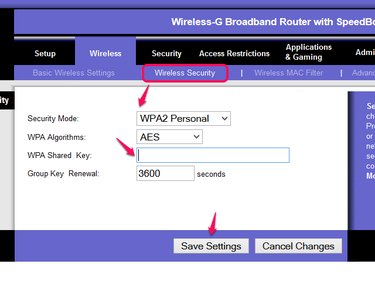
      Click on the button labeled “Enable” next to the option labeled “WEP.” Click on the button labeled “Edit WEP Settings” and enter your desired security information. Make a note of these settings, then click “Apply.”

    • 8

      Restart your computer. For those computers you wish to connect wirelessly, open their network configuration screens and enter the security information in the appropriate fields. Setup is now complete.

Tips & Warnings

  • To ensure optimal signal strength, place your router in a location central to all connected computers, with as few walls and other obstacles in line of sight as possible. If your ISP requires authentication, such as a DSL service, you will need to enter your ISP username and password into the router configuration to allow the Internet connectivity.

Related Searches:

References

Resources

  • Photo Credit ethernet cable 2 image by BlueMiniu from Fotolia.com

Comments

  • Beny Raja Sep 20, 2010
    I'm having issues with this router in our office. the wireless is disconnecting very often. and it drops the packet pretty bad. Is there any tool to monitor the router status all the time.?? Please help.!!

You May Also Like

Related Ads

Featured