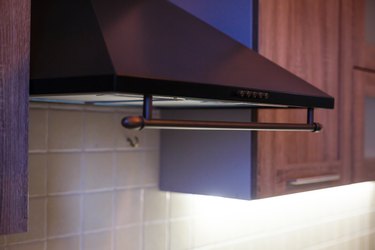
How to Clean a Vent-A-Hood

Vent-A-Hoods are used to exhaust fumes while cooking on a stove top. Over time, grease and debris can build up on the surface and in the metal filters. This buildup, especially in the metal filters, can cause the fan to draw air poorly. It can also cause the grease to migrate into the fan chamber and damage the exhaust fan. In order to keep the exhaust system running efficiently, a periodic cleaning is required. Does this Spark an idea?

Things You'll Need

  • Formula 409 or other degreaser type cleaner Brass or copper polish (if applicable) Clean rags Screwdriver T- handled hex wrench one-eighth inch WD-40 Warm soapy water Toothbrush
Show More

Instructions

  1. The Hood Surface and Filter

    • 1

      Remove the metal filter from the exhaust unit. Place the filter in the kitchen sink and spray both sides with the Formula 409 or other degreaser. Let the filter set while cleaning the rest of the hood.

    • 2

      Spray the hood completely with the 409. Allow the cleaner to set for a couple of minutes. The grease will begin to dissolve and breakup any thick grime. Respray the surface on very heavy buildups of grease.

    • 3

      Wipe the hood down with a clean rag. Turn the rag over after every couple of wipes. This will help in removing the grime and not spreading it to other areas. Use this method on both the outside and inside of the hood. Respray the surface one more time and rewipe with a clean rag.

    • 4

      Rinse the metal filter with hot water while it is in the sink. Turn the filter in both directions under the stream of water. This will flush the filter. Spray the metal mesh again and allow it to set for five minutes. Rerinse the filter completely with hot water and allow the mesh to thoroughly dry.

    • 5

      Install the filter in the Vent-A-Hood. Wipe the stove top of any cleaner drippings or grease. If the blower unit is to be cleaned do not replace the filter just yet. Move on to the next section.

    The Blower Unit

    • 6

      Remove all electrical power from the Vent-A-Hood exhaust unit.

    • 7

      Reach up inside the Vent-A-Hood unit and use the screwdriver to remove two screws that hold a metal shield in place. Once the metal plate is removed it will expose the squirrel cage exhaust fan.

    • 8

      Unsnap the two latches that hold the fan box in place to the rear of the exhaust hood housing. Remove the box and place it in the sink along with the metal shield.

    • 9

      Remove the squirrel cage fan by placing the tip of the hex head wrench into the Allen set screw. The long handled wrench will have to go through the fan blades. The screw will be located near the end of the fan and over a flat portion on the motor shaft. Turn the wrench in a counterclockwise direction. Gently pull the fan from the shaft. If the fan will not move, squirt a little WD-40 onto the shaft. The oil will help to break up any grease that is causing the fan to stick.

    • 10

      Pull the blower fan from the shaft and place in the sink. Remove the small Allen set screw from the fan housing and keep in a safe place. You could loose the screw during cleaning.

    • 11

      Fill the sink with warm, soapy water. Allow all the metal parts to soak for a few minutes. Use the toothbrush and carefully clean each individual blade on the fan. The metal box and plate can be placed in a dishwasher for cleaning. Do not place the fan in a dishwasher as it can become damaged.

    • 12

      Replace the fan on the motor shaft. Be sure to align the Allen set screw hole over the flat area of the motor shaft. Turn the fan by hand to assure free movement. If the fan is placed too far back it can rub against the motor's mounting screws. If placed too far forward it will interfere with the metal cover. Adjust the fan for freewheel.

    • 13

      Install the remaining parts in the reverse order as they have been removed, and the filter.

Tips & Warnings

  • If the blower unit has two fans, match up the correct color rings to the proper motor shaft. In other words, place the black colored ringed fan on the black ringed motor shaft and the white to white. Tighten each fan to the motor shaft and adjust as in Step 7 above. For real copper and brass hoods, use only approved cleaners and polishes for this type of metal.

  • Do not use an abrasive type cleaner such as Comet or Soft Scrub as they can cause scratches in fine finishes. Use caution when using heavy solvents for cleaning as the fumes may be hazardous.

Related Searches:

References

Comments

You May Also Like

  • Restaurant Vent Hood Cleaning

    The vent hood is a large venting system in a restaurant that allows steam, smoke and pollutants to exit the kitchen. When...

  • How to Clean a Commercial Hood Vent

    Cleaning a hood vent is a crucial step in owning and operating any type of commercial kitchen. It reduces your risk of...

  • How do I Clean a Stove Hood Vent?

    Over time and with normal usage, a stove vent can accumulate splattered food, grease and grime. A dirty stove vent can restrict...

  • How to Replace a Range Hood Fan

    Range hoods come in a variety of colors and finishes, offering safety features that are important during cooking. The exhaust fan draws...

  • How to Start a Hood Cleaning Business

    At any given moment, a commercial kitchen is subject to inspection. Commercial kitchen owners know that their business success lies in their...

  • Kitchen Hood Vent Cleaning

    Perform kitchen hood vent cleaning regularly to remove greasy dirt and keep the vent working properly. Range hoods catch grease splatter from...

  • How to Clean a Kitchen Vent

    One of the most essential appliances is the kitchen vent over your stove. It's simply a covered fan that takes in the...

  • How to Install a Restaurant Vent Hood

    Starting a new restaurant involves bringing an older restaurant or other building to the specifications you need for your own restaurant. At...

  • How to Vent a Kitchen Hood

    Installing a vented range hood that moves air from your kitchen outside is a good way to keep food and cooking odors...

  • How to Clean Receptacles for Restaurant Exhaust Hoods

    Exhaust hoods are difficult to clean and can quickly accumulate greasy residue with even a small amount of cooking. Depending on the...

  • How to Clean Vent Hoods

    Cleaning the mesh filter in your kitchen's vent hood every four to six weeks helps the unit function properly, minimizes internal fan...

  • How to Clean a Travel Trailer

    Maintenance is essential to keep your travel trailer looking good and running great. Clean a trailer to keep the sap off the...

  • How to Cook Filet Mignon

    Filet mignon served alone is good, but served with this Merlot sauce, it's divine. Serves six.

  • How to Clean Range Hood Vents

    The range hood in your kitchen is often overlooked because the stove down below is where most of the action occurs. Still,...

  • How to Clean Greasy Kitchen Range Hood Vents

    You've just bought your first house and can't believe your eyes when you look into the range hood vent. The fan that...

  • Thermador Vent Fan Cleaning

    Thermador introduced the first built-in wall oven over 50 years ago and has been in the oven and kitchen appliance design business...

  • How to Paint a Metal Vent Hood

    New products called appliance epoxies are making it pretty simple to update your kitchen without having to spend thousands of dollars. Appliance...

  • How to Clean a Greasy Hood Range Filter

    A hood range filter can become loaded with greasy build-up after weeks, months and even years of use. The hood range filter...

Related Ads

Featured