How to Prepare Diet Meals
Preparing diet meals can seem like an unpleasant task, especially if you think the word "diet" means boring, tasteless and repetitive. But when you prepare a diet meal, you're really just making healthy choices, and no foods are necessarily off limits. "Creating a diet meal goes along with a healthy lifestyle," says Boston-area nutritionist Rachel Rodek. "It should be a change that you can commit to for the long term." By following a few simple steps, you can make nutritious, well-balanced meals.
Instructions
-
-
1
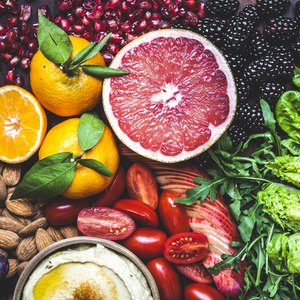
Stock your kitchen with healthy options. Rodek recommends fresh or frozen vegetables without sauces or added sugars; canned vegetables with no added salt; fresh fruit or canned fruit in its own juice; low-fat dairy (1 percent or skim); lean protein, such as skinless poultry; and whole grains such as brown rice, 100 percent whole-grain bread, whole-wheat pasta or cereals with more than 3 grams of fiber per serving.
-
2
Make healthier cooking substitutions. Weight Watchers food editor Leslie Fink suggests using small amounts of highly flavored ingredients --- such as Parmigiano-Reggiano cheese, toasted sesame and hot chili oils --- rather than larger amounts of mildly flavored ones. She also suggests pureeing silken tofu to use as a cream substitute in soups or a creamy sauce base for pasta dishes, as well as salad dressings. Rodek recommends using egg substitute or egg whites: For every whole egg, use two whites or 1/4 cup egg substitute. (This isn't advisable for baking, because egg whites will change food's consistency.) Instead of butter, which contains unhealthy saturated fat, use the same amount of canola oil or olive oil. (Canola oil is virtually tasteless; olive oil has a stronger flavor.) For baking, pass up the butter in favor of the same amount of applesauce or plain yogurt.
-
-
3
Use shortcuts. Weight Watchers experts suggest buying cut vegetables or fruit to save time chopping. It's also helpful, they advise, to use dried bean, rice and pasta mixes with flavor packets so you won't have to measure seasonings, or to buy a whole roasted chicken for salads, burritos or wraps. (If you're watching your sodium intake, check the label on all store-bought items.)
-
4
Create a plate with healthy serving sizes. At least half the plate should be vegetables or fruit, advises Rodek. "Vegetables and fruit are full of fiber and are nature's multivitamin," she says. One quarter of the plate should be 3 ounces of lean protein (about the size of a deck of cards or a computer mouse), and one quarter should be a whole grain or some other starch, such as one small potato or 3/4 cup brown rice or pasta.
-
5
Eat mindfully. Eating should be a relaxing event without too many distractions. Eat slowly, putting down your fork between bites. Stop often to drink sips of water.
-
1
Tips & Warnings
It takes the body 20 minutes to realize it's full, so wait before you take a second helping. If you do go for seconds, replenish your vegetables first.