Feline miliary dermatitis is a skin condition that's also known as scabby cat disease. It results in lesions on a kitty's skin, but because they are small and hidden under the fur, you might not realize your companion has this problem until you end up feeling the sores while petting them.

Video of the Day
The sores feel like little scabs, and they're tiny like millet seeds. Also, your cat might be exhibiting other signs of discomfort. With a basic understanding of this condition and its causes and treatments along with guidance from a veterinarian, you can help your pet get much-needed relief.
Video of the Day
What can cause feline miliary dermatitis?
An allergic reaction is the most common cause of feline miliary dermatitis. The key is figuring out which allergens are to blame for your kitty's skin problems. Examples include flea bite hypersensitivity, food allergies, contact allergies, and environmental allergies.
Certain skin infections, such as ringworm, might also result in miliary dermatitis. If your cat has parasites, such as mites, they might lead to this condition as well. Other problems, such as autoimmune diseases or nutritional deficiencies, might play a role too.
Basically, a range of conditions that affect the skin and make your cat feel itchy to the point that they excessively scratch themselves could lead to miliary dermatitis. Because there are so many potential causes, it's best to work with a veterinarian to figure out what's going on. That way, you can focus on resolving this skin problem by targeting its source.
What are the clinical signs of miliary dermatitis in cats?
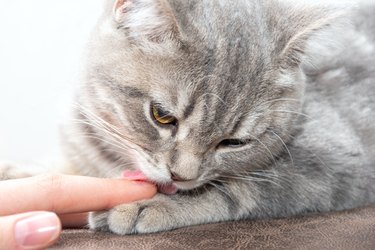
No matter the underlying cause of miliary dermatitis, your cat will likely show signs that they are itchy and uncomfortable. In addition to scratching, they might bite and lick themselves, and the more your cat tries to stop the itch, the more scabs could develop. Also, hair loss might occur if your cat's reaction to the itchiness is severe.
Various parts of a cat's body could be affected, including the back, flanks, base of the tail, and belly. Miliary dermatitis may also be found on the face, neck, ears, and paws. So, you might notice your cat focusing on a particular spot on the body, or they might exhibit signs of itchiness in several spots.
What are the treatments for feline miliary dermatitis?
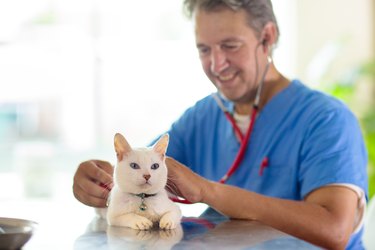
Your veterinarian can examine your pet and look closely at their skin to search for papules, crusts, and other signs of skin irritation. In addition to discussing your pet's symptoms and medical history, they may ask about your kitty's diet and possible exposure to certain allergens. Also, various tests, such as cutaneous cytology, skin scraping, or biopsy, might be performed to determine the cause of the skin lesions.
The treatment options for miliary dermatitis will depend on the underlying cause. For example, if it's determined that a food allergy is causing the pruritis, your veterinarian might recommend a food trial to see if a hypoallergenic diet or avoidance of certain ingredients could resolve the problem. If there's an infection, the appropriate medications will be prescribed. If flea allergy dermatitis is the culprit, your veterinarian can recommend flea control measures, such as using a high-quality flea preventative.
Antihistamines, corticosteroids, supplements like fatty acids, and an Elizabethan collar might also be necessary to help reduce symptoms and support healing. Be sure to follow your veterinarian's instructions closely to give your cat exactly what they need, whether you have to work on reducing or eliminating exposure to an allergen or there's a medical disorder that requires treatment.
If your kitty has severe skin problems that are hard to resolve, consider taking them to a veterinary dermatologist. An expert in dermatology may be able to provide you with an accurate diagnosis and comprehensive treatment plan that will work effectively and efficiently so your feline companion can feel better sooner.
The bottom line
Whenever your cat is exhibiting symptoms of skin irritation or itchiness, it's important to figure out what's causing the discomfort. Feline miliary dermatitis is a condition that's characterized by crusty lesions. It has several causes, from allergies to underlying medical issues, so your DVM will come up with a treatment plan after they find the source of the problem.