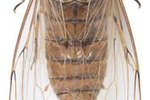
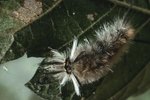
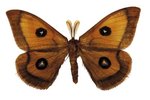
The metamorphosis of any insect that will eventually wrap himself in a cocoon proceeds in the same order. The stages are egg, larva, pupa and imago. Once the egg is hatched, the larva of the insect feeds and grows until he enters a pupa stage. This is the stage where a monarch butterfly caterpillar, for instance, will spin a cocoon, molt to a chrysalis and enclose himself. He will emerge again as a monarch butterfly, the adult stage known as imago. The pupa period of insects that spin cocoons is a time of great change and great vulnerability. The time that this stage takes is determined by the type of insect inside.
Butterflies
In some insects, the pupation period is very short. The monarch butterfly, for instance, will emerge from his cocoon after less than two weeks. Insects with pupation periods this short generally have a similarly short overall life span. The caterpillar period lasts about two weeks, and the rest of the lifespan of the insect once in imago stage is only about two to six weeks in the first three generations in any given summer. The fourth generation will migrate south and live for six to eight months.
Moths
Many moths also have a pupa stage in which the insect will enclose itself in a cocoon. The luna moth, for instance, has a pupal duration almost identical to that of the monarch butterfly. That is, he will remain in his cocoon for about two weeks before emerging in imago stage. The gypsy moth, a severe agricultural pest, will only sometimes spin a cocoon. When he does, it is generally flimsy, only enough to hold together the leaf on which it rests. Their pupation lasts 14 to 17 days. This duration is common to most moths, and is often only extended in unfavorable circumstances.
Silkworms
One of the most economically significant insects is the silkworm. This worm will eventually become a moth, after he has proceeded through his metamorphosis. The pupa stage of the silk worm is quite intriguing. Whereas most other cocoon-spinning insects create their cocoons out of solid material that covers the body and dries when it contacts air, the silk worm uses a long thread of silk, nearly a mile long, and wraps it around himself continuously until completely covered, a process that takes three days. If the insect is disturbed during this process, he will have to start completely anew. The pupation period for silkworms is about three weeks. It is during this period that silk makers harvest the silk from the cocoons.
Diapause
Most species of moths, butterflies and other metamorphosing insects are capable of holding off certain changes in their life cycle by a process known as diapause. Diapause can cause an insect to remain in the pupal chrysalis form, wrapped in his cocoon for months or even years before emerging as an imago stage insect. Diapause can be triggered by climatic or other environmental changes that present unfavorable conditions for the imago insect.
References
Photo Credits
-
Jupiterimages/Photos.com/Getty Images