How to Trim a Basil Plant

How to Trim a Basil Plant thumbnail
Trim a Basil Plant

Trimming a basil plant is imperative if you want to continue to harvest basil leaves all summer. As an annual plant, once the basil flowers and goes to seed, the plant will begin to get thin and die off. Here's how to trim your basil plant and keep it producing all summer long. Does this Spark an idea?

Things You'll Need

  • Good growing conditions
  • Small scissors or fingertips
Show More

Instructions

    • 1

      Allow the basil plant to grow about five to six inches tall. A basil plant should grow about six inches in six weeks provided that it gets plenty of sunlight and is in well-drained soil. Plant in a raised garden or in a terra cotta pot to maintain even moisture without sogginess.

    • 2
      Cinnamon basil

      Leave at least four sets of leaves on the plant to continue strong growth. You don't want to trim your basil plant back to the stalk or base of the plant, but continuous pinching of stem leaves will encourage a full, thriving plant.

    • 3

      Locate larger leaves to pinch off. Simply snip off larger leaves along the stalk or stem of your basil plant by pinching the leaves off between your thumb and index finger. New leaf bunches will form where you have pinched off, making your basil fuller and thicker.

    • 4

      Pinch back from the flowering buds. Although common knowledge is to simply pinch off the flowering head, recent instructions encourage people to pinch back under the flowering bud about five to six leaves below. This encourages fuller, more productive plants throughout the summer.

    • 5

      Continue pinching back your basil all season long. Dry extra basil leaves by washing leaves and allowing to air dry, or freeze your extra basil. Wash, dry and finely chop your basil in a food processor. Toss with some olive oil and freeze in small containers to use in sauces and cooking all year long. You can also mix up a few batches of pesto sauce and freeze that for later use.

Tips & Warnings

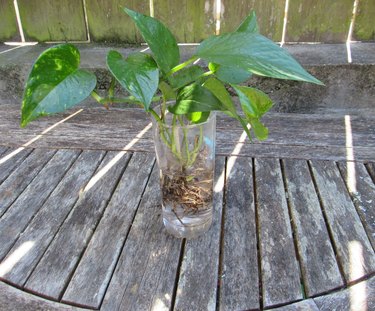
  • Root your store-bought basil cuttings by simply placing the stems in water. Transplant outdoors when roots are a few inches long. Transplant basil indoors in fall to keep harvesting fresh basil throughout the winter. Invest in a good grow light and enjoy your fresh herbs.

  • Don't let your basil plants get larger than 10 inches. Plants will become leggy and won't produce as many leaves as if you keep it trimmed all summer long.

Related Searches:

References

Resources

  • Photo Credit futureshape flickr.com, uberculture flickr.com, Living in Monrovia flickr.com,thebittenword.com flickr.com , timsnell flickr.com, zoyachubby flickr.com

Comments

You May Also Like

  • How to Prune a Basil Plant

    Basil is an edible perennial herb that can grow in an outdoor garden or in a container. The two most popular varieties...

  • How to Trim Herb Plants & Basil

    Basil and other fresh herbs add flavor and freshness to any recipe. It is important to keep herb plants trimmed properly to...

  • How to Restart a Dying Basil Plant

    Insect damage, lack of sufficient light or water, overgrowth, tired soil, or bound roots can all affect the health of your basil...

  • How to Store Fresh Basil

    The key to keeping basil fresh and fragrant for days (and even weeks) after purchase or harvest is to not store it...

  • How to Maintain a Basil Plant

    Basil is an herb that can be used to complement many dishes, and is especially popular in Italian cuisine. Fresh basil has...

  • How to Grow Basil

    I'm going to show you how to grow what is, quite possibly, the world's most popular herb: Basil. Basil is a key...

  • Cinnamon Basil Plant

    Basil, also called ocimum basilicum, comes in several varieties with slightly different looks and flavors. As the names suggests, cinnamon basil tastes...

  • How to Prune Basil

    The popularity of Mediterranean cuisine has made basil a popular herb. It is hardy and easy to grow and harvest. Because of...

  • How to Care for a Basil Plant

    Basil is one of the easiest herbs to grow, whether in a pot or in the ground. The care for exotic varieties...

Related Ads

Featured