How to Prevent HIV & AIDS

HIV is the virus that causes AIDS. AIDS is a series of opportunistic infections that occur when the immune system is weakened by the HIV virus. HIV is a blood-borne pathogen and is transmitted through the exchange of bodily fluids, specifically, blood and semen. The most common routes of transmission are unprotected sex with an infected person and exposure to infected blood and blood products, where the blood comes in contact with broken skin. There is no cure for HIV or AIDS, so prevention is the best course of action.

Instructions

    • 1

      Use barrier protection consistently and every time. Barrier methods, like condoms and dental dams, provide a large measure of protection from transmission by preventing direct contact with semen and blood. Condoms and dental dams should be made of latex. Natural materials, like lambskin, are porous and will not prevent the virus from passing through.

    • 2

      Reduce the number of sexual partners. The higher the number of partners, the greater the risk of transmission.

    • 3

      Get tested. With HIV, ignorance is not bliss. Sex is the most common method of HIV/AIDS transmission and it's not possible to tell, at a glance, if someone is HIV positive. Testing confirms HIV status and reduces the risk of transmission. Testing, however, does not replace safe-sex practices, especially with new partners.

    • 4

      Use clean and sterile needles. Whether for medical or recreational purposes, intravenous drug users need to be certain that they do not share needles with anyone and that they use sterile needles each time.

    • 5

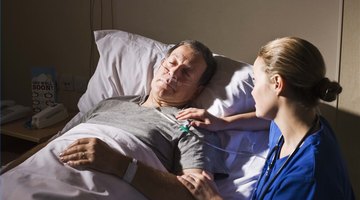
      Clearly label and properly dispose of sharps. Health care professionals are at great risk because they come into contact with bodily fluids and needles and other sharp objects. Sharps need to be handled carefully and immediately placed in specially marked, puncture-proof containers after use.

    • 6

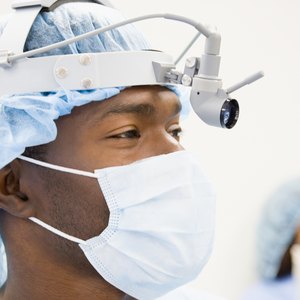
      Use personal protective gear. Health care practitioners (and those who live with people with AIDS or are HIV positive) should use gloves, face masks and shields; and cover any areas of broken skin when handling blood or items that come in contact with an infected person's blood or fluids.

Tips & Warnings

  • While HIV is present in small amounts, such as in saliva and sweat, danger of infection from these fluids is low.

Related Searches:

References

Resources

You May Also Like

  • How to Prevent Spreading HIV or AIDS

    There is no cure for AIDS. Preventing the spread of HIV is the only way to ensure a future without this dreaded...

  • How to Prevent HIV

    An HIV infection is triggered when HIV in a bodily fluid crosses the body's blood barrier in sufficient quantity. In the United...

  • How to Prevent AIDS

    The best way to prevent AIDS is by avoiding exposure to the virus by someone who has the virus. Find out how...

  • How to Get, Free Stop Smoking Aids

    Smoking is the number-one preventable cause of death in the United States, according to the Centers for Disease Control and Prevention (CDC)....

  • How to Prevent STDs

    How to Prevent STDs. Part of the series: AIDS, HIV & STDs. STDs can be prevented through safe sex, choosing partners wisely...

  • Ways to Prevent HIV

    HIV or Human Immunodeficiency Virus, is caused by contact with bodily fluids such as breast milk, semen, vaginal fluid and blood. There...

  • Primary, Secondary & Tertiary Disease Prevention

    Preventative medicine is geared toward preventing existing diseases in people instead of searching for the overall cure. The methods used to prevent...

  • How Soon Can You Test for HIV?

    Blood antibody detection is the most common HIV test. A blood sample is collected in a doctor's office, lab or hospital, or...

  • How Soon Can You Detect HIV?

    Most HIV tests screen for the presence of antibodies to the virus. Because the process of developing a level of antibodies that...

  • How to Stop AIDS in Africa

    Nearly two thirds of the the world's HIV positive individuals live in sub-Saharan Africa, and over 75 percent of AIDS-related deaths occur...

  • How do I Increase the Awareness of HIV in the Community?

    Human immunodeficiency virus (HIV) is the virus responsible for acquired immune deficiency syndrome (AIDS) that compromises the affected person's ability to fight...

  • AIDS Treatment & Prevention

    AIDS, also known as Acquired Immune Deficiency Syndrome, is a condition that attacks the body's immune system. Over the years, there has...

  • How to Avoid Getting HIV

    Human immunodeficiency virus, or HIV, is the virus that cause AIDS. HIV is caused by direct exposure to an infected person's bodily...

  • How to Prevent HIV Transmission

    Knowledge of HIV prevention is important for everyone, including those already living with the virus. The first step in preventing transmission of...

  • Prevention of AIDS

    AIDS prevention is designed to help protect individuals from being infected with the human immunodeficiency virus (HIV), which is the virus that...

  • Ways HIV is Spread

    Ever since its discovery by the CDC in the 1980s, HIV and AIDS have been scourges on humanity that, as of 2007,...

  • How Can AIDS Be Prevented in Africa?

    AIDS is a syndrome defined by certain illnesses, infections and cancers that can occur years after an HIV infection, so fighting the...

  • How Long Can Someone Live With HIV AIDS?

    HIV (human immunodeficiency virus) is the virus that causes AIDS (acquired immunodeficiency syndrome). HIV is transmitted from one person to another through...

Related Ads

Featured