How to Create a Showy Patio Planter for Shade

How to Create a Showy Patio Planter for Shade thumbnail
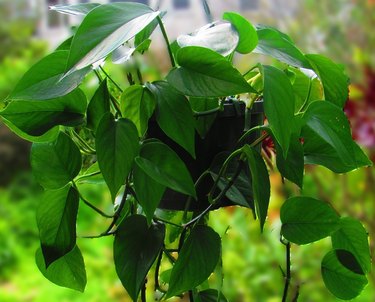
Ivy is a shade-loving plant that trails nicely out of containers.

Patio planters dress up and add interest to any outdoor living space. Creating an impressive planter for a shady patio spot is a great way to enliven empty and neglected spaces that the sun does not reach. Most plants are not particular and thrive in any container that allows for proper drainage and nutrient retention. Creating a unique planter for a shady patio spot is not a time-consuming or expensive endeavor --- making a planter out of hypertufa requires only a few ingredients and a little imagination. This planter has the look of true stone without the weight or cost. Does this Spark an idea?

Things You'll Need

  • Large plastic sheet
  • Shallow plastic garden pot, 15 inches in diameter and with drainage holes
  • Sheet of lightweight plastic
  • Masking tape
  • Vegetable oil spray
  • Short dowel to fit in drainage hole in plastic pot
  • Scissors
  • Portland cement
  • Mason's sand
  • Milled peat moss
  • Perlite
  • Concrete colorant
  • 5-gallon bucket
  • Wooden mixing stick
  • Rubber gloves
  • Watering can with spout
  • Hand shovel
  • Wire brush
  • Mosaic tile pieces
  • Garbage bag
  • Spray bottle
  • Bricks
Show More

Instructions

    • 1

      Choose a shady level spot for making the pot. Spread a large plastic sheet on the ground. Gather all of your tools together and place them on the plastic sheet.

    • 2

      Turn the pot upside down on the plastic sheet. Cover the pot with plastic. Turn the pot right-side up. Secure the plastic to the inside using masking tape.

    • 3

      Cut a hole in the plastic where the drainage hole is. Place a wooden dowel in the drainage hole.

    • 4

      Spray the plastic bag liberally with vegetable oil spray.

    • 5

      Combine equal amounts of part peat moss, perlite and sand. Add in the same amount of concrete. Add a pinch of concrete colorant. Mix all dry ingredients thoroughly in the 5-gallon bucket using a wooden mixing stick.

    • 6

      Make a well in the center of the dry ingredients. Add water to the dry ingredients a little at a time. As you add the water, blend the ingredients thoroughly with a hand shovel. Remember to wear gloves. The mixture should be the consistency of cottage cheese.

    • 7

      Press the hyperfufa mixture to the plastic on the outside of the pot. Keep adding the mixture to the pot until it is 2 inches deep.

    • 8

      Make lines in the hypertufa with the wire brush for added texture. Gently push pieces of mosaic tile into the pot randomly or in a desired pattern.

    • 9

      Remove the dowel from the drainage hole.

    • 10

      Spray the pot with water lightly and cover it with another large garbage bag. Hold the bag secure with bricks.

    • 11

      Allow the pot to cure for one week. Spray the pot every three hours for the first day and then once every other day.

    • 12

      Remove the plastic bag from the pot. Remove the plastic pot.

    • 13

      Allow the pot to cure outside for at least 10 days.

    • 14

      Spread a thin layer of crushed gravel on the bottom of the pot. Fill the pot with high-quality potting mix. Add shade-loving plants to the planter. Water the plants daily.

Tips & Warnings

  • Make a collection of various sized containers for a dramatic effect.

  • Do not place the hypertufa pot in direct sunlight to cure.

Related Searches:

References

  • Photo Credit Brand X Pictures/Brand X Pictures/Getty Images

Comments

You May Also Like

  • Ideas for Potted Planters in the Shade

    Ideas for Potted Planters in the Shade. Potted planters provide a way to grow plants and flowers when it isn't possible to...

  • Plant Ideas for Large Planters

    Plant Ideas for Large Planters. Large containers provide room for a variety of plant choices in a variety of environments. Gardeners can...

  • Shade-Loving Plants for a Window Box

    Shade-Loving Plants for a Window Box. Window boxes support all types of small- to medium-sized, shade-loving plants and flowers. In fact, shade-loving...

  • Shade Plants for Pots

    A variety of beautiful plants can be grown in pots, even in shady areas. Light shade refers to an area exposed to...

  • How to Group Plants in Planters

    When you begin to plan what you want in your planters it is important you know where you are going to place...

  • Plants for Planters

    Planters, whether indoors or outside, provide a number of benefits, particularly for small spaces. Since they are relatively small and portable, using...

  • How to Plant in a Large Container for Shade

    Containers placed strategically around your outdoor deck can help fill the gaps in shady areas. Containers add visual interest on your deck,...

  • Plants for Patio Pots

    Plants for Patio Pots. Growing plants in pots on your patio adds some flair to an urban home and/or allows you to...

  • Winter-Hardy Plants for Outdoor Planters

    Ideas for Potted Planters in the Shade. Put potted plants outdoors in the shade during frost-free weather. Jupiterimages/Photos.com/Getty Images

  • Part Sun Plants and Flowers for a Planter

    Part Sun Plants and Flowers for a Planter. Planters are a great way to spruce up a porch, patio or room in...

  • Hanging Basket Plants for the Shade in Zone 7

    When it comes to landscaping a home property, homeowners consider several factors: trees, flower garden and the possibility of vegetables. Creative gardeners...

  • Ideas for Shade Flowers in Window Boxes

    Shaded window boxes offer many options for colorful blooms. A shady spot is often the best choice for a window box, because...

  • DIY Garden Planters

    Planters add dimension to your garden design, provide a space to grow invasive plants and allow for more flexible plant placement. Make...

  • Plants & Flowers That Grow Well in the Shade

    Hundreds of plants and flowers grow and thrive in the shade and will actually die if exposed to full sunlight. Gardeners with...

  • Shrubs for Planters

    The best shrubs for planters are those that are dwarf or miniature. They do not have to be fast growing, but the...

Related Ads

Featured