How to Cover an Attic Air Vent

Attic air vents are essential for maintaining proper insulation within a home. But left uncovered, they can lead to major pest problems including rats, bats, birds, squirrels and even raccoons. Covering the attic air vent is a simple step to make sure that their is adequate ventilation, insulation and pest control. Does this Spark an idea?

Things You'll Need

  • Screwdriver
  • Hardware cloth
  • Staple gun
  • Wire cutters
  • Oil Pencil
  • Tape Measure or Ruler
Show More

Instructions

    • 1

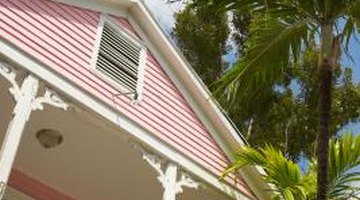
      Remove the gable, the exterior ventilation component that sits over the vent with louvers attached to prevent water leaking into the attic, screwed into the home's exterior stucco. The gable is made of wooden slats.

    • 2

      Place the gable on the ground laying it on its slats. If it is a standard shape such as a square or rectangle, measure the length and width. If not, lay the hardware cloth over it and trace the shape with the oil pencil.

    • 3

      Cut the hardware cloth with the wire cutters about an 1/8 of an inch smaller than the shape determined in Step 2. So if the dimensions measured in Step 2 are 5-by-5 inches, cut the hardware cloth at 4 7/8-by-4 7/8 inches. This will keep the wire neatly concealed under the gable when reattached.

    • 4

      Staple the hardware cloth in place on the interior side of the gable so that the hardware cloth covers the entire vent openings but doesn't go beyond the perimeter of the gable frame. Note: this is an aesthetic component, not a requirement. Many people do a quick covering by laying the hardware cloth over the slats and staple.

    • 5

      Screw the gable back in place with the slats pointing downward so water flows down to the ground.

Tips & Warnings

  • Hardware cloth is a wire mesh cloth with small gauged wire weaved no more than 1/8 inch apart and prevents rodent entry. Prefabricated gables may be purchased at hardware stores but are usually all metal components that can detract from the finished touches of most homes that traditional gables offer.

Related Searches:

Comments

You May Also Like

  • How to Block Attic Vents

    An attic vent releases air from the attic to the outside, but also allows airborne contaminants to enter the attic. Block an...

  • How To Cover Gable Roof Vents During Hurricanes

    In hurricane strength winds, uncovered attic and roof vents contribute to roof destabilization, which increases the risk of roof loss. Roof damage...

  • Should You Cover Roof Vents in the Winter?

    Roof vents allow air to circulate through your attic and exit your home. In the winter the vents will cause the attic...

  • Types of Attic Vents

    Attic vents are an integral part of managing air circulation in homes with undeveloped attic space. Designed as year-round vents, they mainly...

  • Do You Need an Attic Fan If You Have a Ridge Vent?

    Purchasing an electric or solar attic fan may not provide the savings that homeowners expect. Installing roof ridge vents and more attic...

  • Importance of Attic Vents

    Attic ventilation can be achieved in a number of ways, and all homes should have high and low venting. Ridge vents running...

  • How to Install an Attic Vent

    Proper attic ventilation will protect your home from moisture that could potentially damage the house. Damage happens because unfinished areas of your...

  • How to Install an Attic Vent Fan

    Installing an attic fan lowers the temperature inside your attic. Attic fans blow excess hot air out of your home. Attic fans...

  • How to Roof-Mount a Power Attic Vent

    Attic vents are designed to help prevent moisture buildup in the attic. They are installed on the roof and are available in...

  • How to Install Gable Vents

    Install gable vents in your attic to keep your home cooler in the warm months. Without vents, the attic temperature can rise...

Related Ads

Featured