
All levels
|
32 min 7 sec
|
01:06
|
|
01:37
|
|
17:05
|
|
12:19
|

Taught by Courtney Cerruti
Start Free Trial or
Buy For $19.95
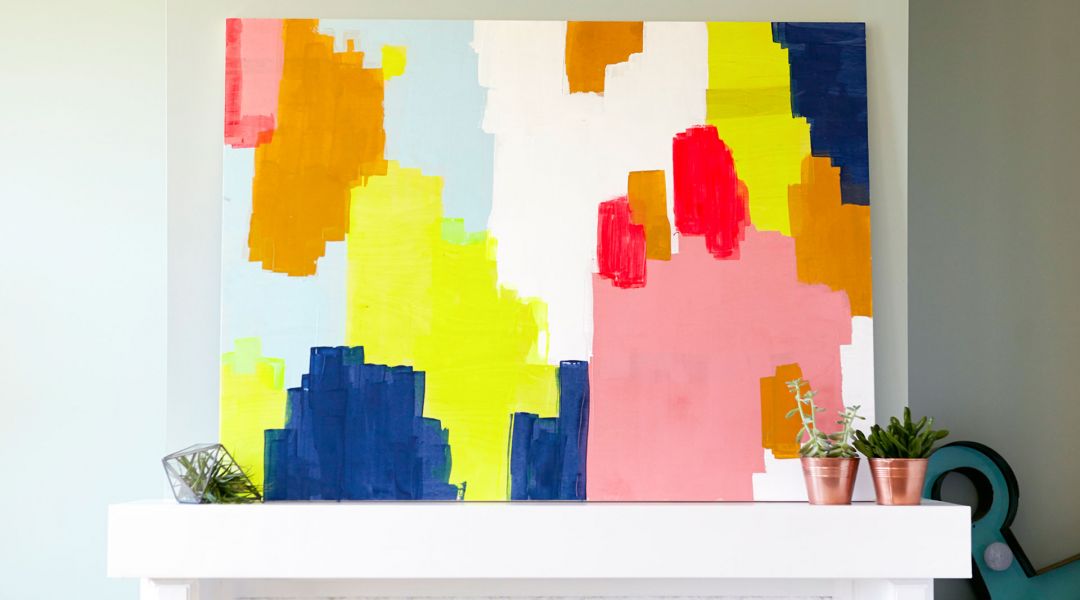
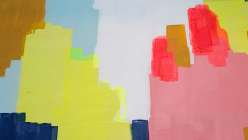
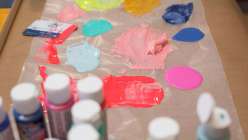
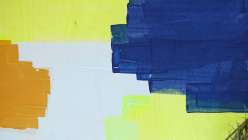
You don’t need to consider yourself a painter to create this colorful work of art. Courtney introduces you to a bold way of applying color to a canvas that results in this bright, abstract field of color. Courtney talks you through how to create a cohesive palette, then evaluate and build your work of art until you determine that it’s ready to grace your walls with its confident swaths of color.
Learn how to:
What you’ll get:
Here’s what you’ll need:
Materials:
- Inexpensive craft acrylic paint in a variety of colors
- Old credit card
- Birch panel in any size (Courtney uses 36” x 48”)
- Baby wipes
- Wax paper or old cookie sheet (for palette)
- Work apron
Downloads:
- Choose your palette
- Apply paint with a credit card
- Work with several colors
What you’ll get:
- Easy-to-follow class by author and artist Courtney Cerruti, on how to create a colorful abstract painting
- 3 HD video lessons you can access online anywhere, anytime
- Step-by-step instruction and a detailed supply list
- The ability to leave comments, ask questions and interact with other students
Member Gallery
Browse members' projects from this class and share your own work! Learn how to take great photos here.
Load More
Colorful Abstract Painting Reviews
488 users recommended this class to a friend

Linda Uhl
Very interesting technique. I don't have training or experience in painting but want to try this on a desk I plan to paint. Thank you!
March 9, 2024
Olubunmi Adu
Painting is good. Learn more.
More than 3 months ago
Patron of Ottawa Public Library
I really like it.
More than 3 months ago
Related Classes