How to Care for Camellias

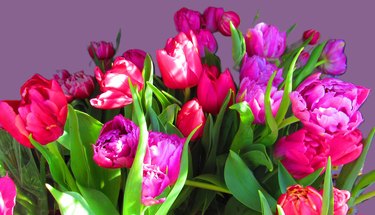
Camellias, with their gardenia-like flowers and glossy dark green leaves, can be found in colors from white to the darkest velvety red, with a wonderful range of pinks, purples and bicolors in between. Like a number of beautifully-flowering shrubs, they have some definite preferences in growing conditions. Respect those, and your camellias will be beautiful and flower abundantly. Does this Spark an idea?

Things You'll Need

  • Camellia
  • Peat moss and other soil enrichment
  • Shady planting area
  • Spade
  • Water source
Show More

Instructions

  1. Establishing Good Growing Conditions

    • 1

      Evaluate both your climate and suitable sunlight before planting (or transplanting). Camellias do best in moderate climates (summers in the 70s and 80s and winters remaining 10 to 15 degrees above zero at most times). Both heavy wind and high humidity put strains on camellias. If rhododendron and azalea do well in your area, there's a good chance camellias will as well. Although they are more susceptible to insects like aphids (hence the humidity caution). Camellias do well generally in climates such as the Pacific Northwest and the MidAtlantic states, the British Isles and Japan (their country of origin). Intense sun is another enemy.

    • 2

      Plan drainage carefully. Like clematis, camellias like their "feet" cool but not wet. Prepare soil with peat moss, rotted organic matter and add some sand if you have any remaining doubts about drainage.

    • 3

      Keep soil slightly to moderately acid. The lime that keeps your lilacs flourishing will send your camellias into immediate and possibly irretrievable funk.

    • 4

      Water during dry periods. In addition to good drainage, camellias need a steady supply of water. By the time you see dry leaves and withered buds, it's too late.

    Reviving Existing Plantings

    • 5

      Check growing conditions from the ones listed above to plan your revival-strategy. Start with sunlight, wind and possible drainage problems. If your camellia is not enormous, consider transplanting to an area with richer, better-drained soil and filtered sunlight.

    • 6

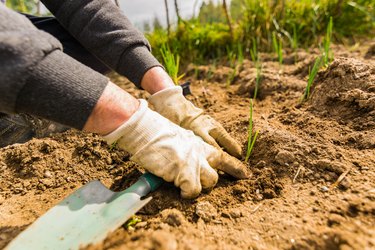
      Check for drainage by digging with a trowel or spade on both sides of your shrub. Holes should be at least 12 to 18 inches deep and 2 feet from each side of the camellia, to avoid root-damage. Go deep to determine what surrounding soil is like. A common failure in planting is to prepare good soil for existing roots without planning for growth. If your planting site is surrounded by heavy clay soil or lots of rocks, improve it with peat moss and organic matter on all sides of the plant--this enables roots to expand.

    • 7

      Examine leaves and stems to determine whether the problem is caused by insects such as aphids or mites. Consult a professional to find the gentlest way to deter them--adding harsh chemicals to an already-stressed plant just makes things worse. Regular applications of soapy water or a nontoxic oily spray may be all you need to return your camellia to beautiful blooming.

Tips & Warnings

  • If your winters are windy, shelter your camellia with a green-stick-burlap wind barrier. Remember to water during dry spells in spring and fall.

Related Searches:

Comments

You May Also Like

  • Camellia Plant Care

    Camellia plants are perennial shrubs that grow well in USDA zones 7 to 9. Originating from Asia, camellias have become a popular...

  • How to Care for Camelia Plants

    The basics of camellia plant care are fairly similar to the basics of caring for azaleas, hollies and rhododendrons. They are very...

  • How to Care for a Camellia Bush

    Camellia (Camellia japonica) is a large evergreen shrub valued for the big, colorful red, pink or white blooms that adorn the plant...

  • How to Root a Camellia

    The camellia (Camellia japonica) is a shrub native to China that is a popular landscaping plant in the Southern U.S. It has...

  • Camellia Shrub Care

    The camellia originated Southeast Asia, China and Japan. It is now grown throughout the world in climates with temperatures as low as...

  • How to Look After Camellias

    Camellia (Camellia japonica) is an attractive, evergreen, flowering shrub that dresses up the landscape with white, red, violet and pink blooms every...

  • How to Care for Roses

    Roses have an undeserved reputation for being fussy, hard-to-care-for plants. But after all, they're just shrubs. Some roses do require more maintenance...

  • How to Transplant a Camellia Japonica Bush

    Camellias are evergreen shrubs sometimes grown as standards. Camellias thrive in the same conditions as rhododendrons or azaleas and are often planted...

  • How to Care for Camellia Japonica

    Camellia japonica, or camellia, is a graceful, evergreen shrub that grows up to 15 feet tall and 10 feet wide. Large, rose-like...

  • Camelia Plant Care

    Camellia, the state flower of Alabama, is a popular flowering evergreen shrub that adds bright color to partially shaded areas in winter...

  • How to Care for a Camellia Tree

    The same elegant evergreen that was pampered in the grand conservatories of 18th-century Europe is a rough-and-tumble flowering shrub in America. Once...

  • How to Plant a Camellia Bush

    Indigenous to Asia, camellia encompasses a variety of cultivars. Plants have glossy, green foliage and bloom throughout fall and winter. Flowers are...

  • How to Prune Camellia Plants

    Native to Southeast Asia, the camellia symbolizes aristocracy and elegance. There are more than 200 species and 2,300 named cultivators of camellias...

  • How to Prune Camellias

    Camellias can produce a lot of blooms. Properly pruned camellias can help produce flowers that are much larger than a bush that's...

Related Ads

Featured