How to Read the Grain Markets

How to Read the Grain Markets thumbnail
Grains

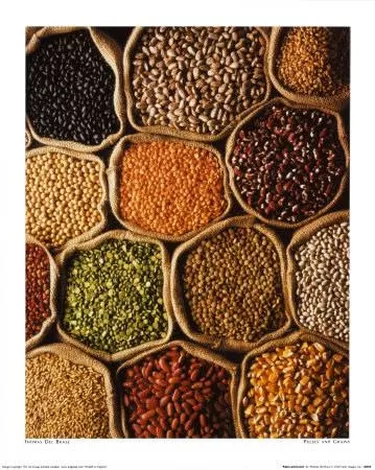
The grain markets are comprised of wheat, oats, barley, corn and soybeans. They represent one of the largest and most important commodity markets in the world and are depended upon by everybody on the planet for smooth, efficient pricing, production, transportation and delivery of food and other grain-derived goods. Using the fundamental, technical and sentiment tools can help you better read the grain markets.

Things You'll Need

  • Charts
  • Data
Show More

Instructions

    • 1

      Analyze the fundamental factors that affect the grain market. The two most important elements are supply and demand. All other things being equal, a higher supply of grain tends to push prices down, while lower supply pushes prices up. Demand is just the opposite. All other things being equal, the more demand there is for a particular grain, the higher its price will go, and vice versa for lower demand. Grain prices are always in a tug-of-war between the factors of supply and demand and the various sub-factors that influence supply and demand.

    • 2

      Study event risks relating to the grain market. Weather is the primary factor affecting supply, as floods, droughts or unexpectedly good weather can drastically alter grain output from what was expected, whereas geopolitical, economical and demographic factors tend to be the primary influencers of demand. Emerging markets are playing an increasingly important role in both the supply and demand side of the grain markets as the populations of these countries expand and their political climates become more open to international trade. Depending on what kind of grains they farm in their territory, some emerging markets might add to supply, driving prices down or they might demand more grain to feed their growing populations, pushing prices up.

    • 3

      Understand and use technical analysis. Technical analysis, when applied to stock or commodity markets, refers to the usage of price charts and other indicators to study where prices have been in hopes of better predicting where they might go in the future. A common rule of thumb is that if the price of a grain market is above its 50- and 200-day moving average, it is in a bullish trend, whereas if it is below these moving averages, it is in a bearish trend. This is important to know because investors will be more likely to invest in a grain markets that are uptrending and sell grain markets that are downtrending.

    • 4

      Use sentiment indicators such as the Commitment of Traders (COT) report to look at what kinds of investments the large players in the grain market are making. The COT, published by the Commodity Futures Trading Commission, tracks long, short or neutral trades established by institutional investors, commercial hedgers and small retail traders. Conventional wisdom holds that institutional investors, and particularly commercial hedgers, are "smart money," since they are professionals, close to the action every day and perhaps privy to insider information that small retail traders, (the so-called "dumb money"), do not have. If institutional investors or hedgers are overwhelmingly long on a particular grain, it suggests that it will be heading higher, whereas if institutional investors and hedgers are short, while retail traders are long, it suggests prices in that grain market will be heading down.

Related Searches:

Resources

  • Photo Credit imagecache.allposters.com

Comments

You May Also Like

  • How to Understand Grain Market Prices

    The world of investments includes more than stock and bonds. It also includes commodities which represent the largest group of traded assets...

  • How to Understand Wheat Futures

    A wheat futures contract specifies an agreed price for a designated amount and quality of wheat to be delivered at a future...

  • How to read the grain of a green

    On a golf green, grain refers to the angle upon which the blades of grass tend to lie. Grain is especially prevalent...

  • How to Understand the Stock Market

    Before you join the fray, here are some key steps to take toward building an understanding of the stock market.

  • How to Purchase Grain on the Market

    Conduct research on PowerShares DB Agriculture Fund (DBA) by pulling up the six month, one year and two year chart. Fundamental analysis...

  • How to Read Stock Market Reports

    The symbols, acronyms and numbers associated with daily stock market reports can bewilder even the smartest investors. Financial TV stations and websites...

  • How to Invest in Grain

    Grain is major staple food. As global population rises and food scarcity becomes an issue, grain prices can also increase significantly. That...

  • How to Trade Grain

    Grain refers to raw wheat, oats, barley, sorghum, corn and rice. Raw grain is bought and sold on the commodities market. The...

  • How to Learn to Read the Stock Market

    The stock market can be an excellent place to invest over the long run, but many people find the short term gyrations...

  • Grain Market Analysis

    Grain markets are possibly the most complex of commodity markets as traders and savvy farmers make use of sophisticated hedging and arbitrage...

  • How to Read Stock Market Charts

    Stock charts are online everywhere these days. But just exactly what should you look for in a stock chart? What do you...

  • Factors That Affect the Share Price of a Company

    A stock price is determined by an agreement between a seller and a buyer and reflects all the relevant information known at...

  • How to Read Commodities Market Data

    Given the sheer number of quotes, vendors, products and mysterious symbols when it comes to commodities market data, you might be at...

  • Fuel Prices Affecting Family Budgets

    Families are facing many economic issues such as job losses, housing issues and stock market drops that impact retirement accounts. When high...

  • The Effect of Ethanol Fuel on Grain Prices

    Ethanol is an alternative fuel derived primarily from corn, which is a type of grain. Since the early 2000s, the use of...

  • How to Read Grain Direction in Wood

    Whenever you are cutting, sanding, painting or staining wood, knowing the direction in which the grain of the wood travels is vital...

  • Grain Marketing Strategies

    One of the keys to success for a grain farmer is to know how to market his product to get the maximum...

  • How to Read a Cattle Market Report

    You can derive a great deal of information from a livestock report, whether it is the national report or the local report...

Related Ads

Featured