What Are the Causes of an Enlarged Uterus?
Enlarged uterus is a problem common to some women, particularly older women approaching menopause. Many conditions could lead to the enlargement of the uterus, including many diseases and conditions. Some are benign in nature while others need immediate medical attention.
Identification
Typically, a woman's uterus is about the size of her fist or an orange. An enlarged uterus means just that--it's larger than normal. Most women will not know their uterus is enlarged as it is hard to feel the uterus unless you are pregnant. Your health care provider will be able to distinguish an enlarged uterus via an internal exam. The symptoms of an enlarged uterus are dependent upon the cause.
Adenomyosis
Chest Pressure During Pregnancy
Learn More
Adenomyosis is a condition of the uterus where the endometrium lining grows into the muscular wall of the uterus. This condition can cause spotting between periods, heavy menstrual bleeding and cramping and pain.
Uterine Cancer
The primary symptom of uterine cancer is vaginal bleeding after menopause. Endometrial cancer is the most common form of uterine cancer. Uterine cancer can also cause uterine enlargement.
Fibroids
Menopause & Thickening of Uterine Walls
Learn More
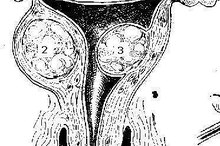
Uterine fibroids are non-cancerous lumps or growths found in the uterus. Uterine fibroids almost never develop into uterine cancer and are not associated with a greater risk of developing uterine cancer. Uterine fibroids cause heavy bleeding during menstruation, prolonged menstrual periods, difficulty urinating, constipation, pelvic pressure or pain and an enlarged uterus.
Menopause
Sometimes menopause can also lead to the enlargement of the uterus. This can ordinarily result from the changes of the hormone levels in the body. The enlargement of the uterus may result from the fluctuating hormone level, which could mimic pregnancy. There are at times enlargements of the uterus resulting from sexual activity, but this condition may not last for extended periods.
Related Articles

Chest Pressure During Pregnancy
Learn More

Menopause & Thickening of Uterine Walls
Learn More

What Are the Causes of Postmenopausal Spotting?
Learn More

Raspberry Leaf Tea & Menopause
Learn More

Abdominal Pain With Spotting
Learn More

What Are the Causes of Painful Ejaculation?
Learn More
Side Effects of Estrogen on Men
Learn More
Menopause & Thickening of Uterine Walls
Learn More
How to Shrink Fibroid Cysts Naturally
Learn More
Symptoms of an Endometrial Ablation Infection
Learn More