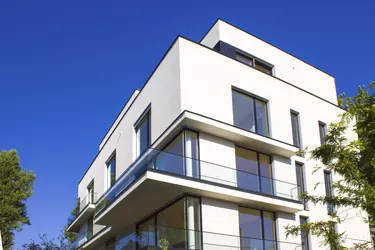
Renting out a condominium unit entails much of the same work as renting out a detached house. You must find a qualified tenant, insure the property for use as a rental and follow federal and statutory landlord-tenant laws. However, condo rentals differ in some ways. You may have to seek approval from a condo board, and you must instruct your tenants on condo rules and protocol. This protects your standing with the condo association and prevents violations and misunderstandings between you, your tenants and the association.
Review the Rules
Video of the Day
Review your condo association's rules regarding renting units. This information is found in the association's governing documents, sometimes known as a declaration of covenants, conditions and restrictions. The CC&Rs outline community rules that residents -- owners or tenants -- must follow. Should you rent out your condo in a community that prohibits renting, you may face penalties and legal action by the board.
Video of the Day
Pay Attention to the Details
If allowed to rent, you must adhere to the association's rental restrictions, which also should be spelled out in the CC&Rs. A condo in a retirement community may have age restrictions on tenants, for example, or an association may allow you to rent only to family members or for a limited amount of time. Also, your condo association may not grant tenants the same privileges that condo owners have. For instance, tenants may not be invited to condo board meetings or be allowed to address the board or association at the meetings.
Find Tenants Who Follow Rules
You're held responsible if your tenants do not adhere to condo rules, so check references and only rent to reliable tenants. You can ask a former landlord if prospective tenants had problems paying rent or obeying rules at their previous residence. Provide renters with the condominium documents and request that they review them. You can also include restrictions in your rental agreement, such as rules for pet ownership, common-area use and parking. Have your tenants acknowledge in writing that they understand the condo rules, and make yourself available to answer questions they may have regarding the rules throughout their tenancy.
Make Condo Enjoyment Possible
Provide tenants with access to the amenities and features of your condo complex -- such as pools, gyms, clubhouses, parking structures and laundry facilities -- which may entail providing keys, remote control devices or access codes. Should your tenants fail to follow rules or pay the rent, let them know that you and the condo association can restrict access to these amenities. Consult with a real estate attorney to determine the protocol for warning tenants and enforcing rules.