


Several states allow Texas teachers reciprocity of teaching credentials, allowing them to teach without having to take additional tests. All of the states require an application, a state fee, proof of successful completion of home-state requirements, a year of teaching experience and completion of a same-state certification examination such as the Praxis, the most commonly used certification exam.
Arizona
A one-year teaching certification in Arizona requires a bachelor's degree, out-of-state teaching certificate, valid Arizona fingerprinting card, application and fee. A provisional license will be issued. This gives teachers one year to complete the Provisional Knowledge Exam, Subject Knowledge Exam and SEI training (Structured English Immersion). Once these are completed, a renewable two-year certificate is issued.
Idaho
Idaho will grant Texas teachers a three-year Idaho temporary teaching certificate with a completed application and a background check, official transcripts and fee. Out-of-state teachers have a year to complete any outstanding requirements. Upon completion, they are issued a five-year renewable certificate.
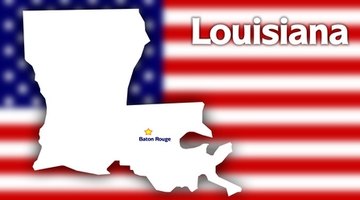
Louisiana
The Louisiana State Department of Education offers teachers with out-of-state licenses, including Texas, reciprocity under certain conditions. They must take state PRAXIS/NTE exams if they don't have at least four years of teaching experience. With experience and satisfactory evaluations from a year working in Louisiana public schools, they are granted a teaching license. Teachers must complete an application from the Department of Education and submit it with a fee.
Nevada
Because Nevada has an NASDTEC Interstate Agreement, teachers with a valid full (not temporary) Texas teaching certificate receive reciprocal certification. This does not include special education teachers, who must complete state-specific tests and meet other licensing requirements. A year of recent teaching experience is required to receive a reciprocal certificate.
New Mexico
New Mexico will grant Texas teachers with a bachelor's degree or higher who hold a valid Texas Department of Education teaching license a New Mexico license. A fee, results of the Texas teaching exam and evidence of successful teaching in Texas is required.
Related Articles







References
Writer Bio
Susan Ruckdeschel began writing in 1989 as a guest columnist for the "Rochester Democrat and Chronicle." Her work continues to blossom, with the recent publication of a handbook for teachers and numerous other books soon to be released. Ruckdeschel has a Master of Science in education from Nazareth College and is completing her Doctor of Philosophy in educational leadership.