Preparation-H is a an over-the-counter ointment that has been used to alleviate hemorrhoid pain, itch and swelling since the mid-1930s. More recently, it has also gained recognition as a Hollywood beauty secret. Rumor has it, Hollywood stars, pageant contestants and make-up artists have been using Preparation-H to reduce under-eye puffiness and dark under-eye circles for years. The question is whether this hemorrhoid cream really can work under the eyes and is it something you should be putting near your eyes.
Preparation-H as a Beauty Treatment
Before you reach for the Preparation-H, there are a few things you should know. In the past, a live yeast cell derivative (LYCD) called Bio Dyne was in all Preparation-H. This ingredient worked to shrink not only hemorrhoid tissue, but swollen tissue and dilated blood vessels beneath the eyes as well. As a result, under-eye circles and puffiness were temporarily alleviated. Preparation-H sold in the United States, however, no longer contains Bio Dyne. As of 2009, only Preparation-H sold in Canada and Europe contain the ingredient. Phenylephrine, the ingredient used to replace Bio Dyne in the U.S., is a vascular constrictor that temporarily shrinks dilated blood vessels, and, in turn, may reduce the appearance of dark eye circles as well. Prep-h.com, however, a website marketing Canadian Preparation-H, says the U.S. formula is less effective for treating wrinkles, eye bags and under-eye circles. Thegreenbeautyguide.com, however, does mention the phenylephrine version of the product as a dark-circle remedy.
Neither Preparation-H formula was designed for use on the delicate skin beneath the eyes; therefore, either version may cause redness and irritation in some.
Other Treatment Options
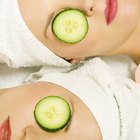
For quick, temporary relief that doesn't involve hemorrhoid cream, try reclining with a cool eye compress, chilled cucumber slices or cold spoons placed over your eyes for 10 to 15 minutes. This relaxing treatment helps shrink the dilated blood vessels that cause the discoloration. This simple treatment offers quick, short-term relief just as the Preparation-H remedy does.
You may also want to try getting to the root of the problem. According to the Mayo Clinic, allergies are a common culprit of under-eye circles, so a visit to your doctor for antihistamines tablets may be all the remedy you need.
The cosmetics industry offers several solutions as well, with more and more introduced each day. According to The New York Times article "Putting 'You Look Tired' to Rest," many use plumping agents to temporarily thicken under-eye skin, inhibiting the darkened color from showing through. Other creams use Vitamin C and other skin lighteners to minimize melanin, which produces dark skin color.
Related Articles
What Prescriptions Can Get Rid of Under ...

Hydroquinone & Dark Circles

Does Soaking Cotton Balls in Milk Help ...
Skin Care Products That Contain ...

The Best Eye Creams for Eye Bags
Tazorac Cream & What it Does for Acne

The Best Eye Serums to Remove Puffiness

Snail Cream Benefits

Pros & Cons of Generic Retin-A

The Difference Between Retin A & Renova

How to Get Rid of Light Colored Bags ...

The Uses of Alcolado Glacial

Does Retin-A Micro Gel Get Rid of ...
How to Use Strivectin SD
The Best Facial Moisturizers for People ...

List of Retinoids

Oil of Olay & Wrinkles
Reactions to Nair Hair Removal
Home Remedies for Puffy Bags Under Eyes

Can Age Spots Be Reversed?
References
Writer Bio
Julie Tridle is a freelance writer living in New Orleans. She has a Bachelor of Arts in English literature from the University of Nebraska and writes articles, blogs and website copy on an array of subjects. She has written website copy for tourism websites, plastic surgeons, photographers and accountants.