This Season
 

How to Get Rid of Bacteria Causing Cystic Acne

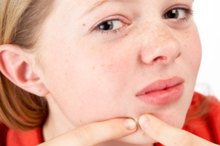
Cystic acne is an intense form of acne. The acne is severely red and inflamed, resembling cysts. Cystic acne is generally the most painful form of acne. The cysts are filled with pus and are usually tender to touch. It can be caused by a range of factors, such as genetics, hormone levels, diet, excess oil and bacteria. Since bacteria commonly causes and exacerbates cystic acne, you must get rid of it. Thankfully, you can do so quite easily.

Related Searches:
    Difficulty:
    Moderately Easy

    Instructions

    Things You'll Need

    • Antibacterial cleanser
    • Astringent
    • Scrub
    • Benzoyl peroxide
    • Water
    • Bowl
    • Towel
    • Cotton clothing
      • 1

        Wash the area twice daily, using an antibacterial cleanser. In addition to removing bacteria, the cleanser will get rid of makeup, excess oil and sweat.

      • 2

        Use an astringent on the affected area. Astringents help to maintain your skin's chemical balance, preventing excess oil production. They often contain alcohols to dry your skin and kill bacteria.

      • 3

        Exfoliate your skin, using either a facial or body scrub. Exfoliation sloughs away dead skin cells and bacteria that reside on the surface layers of your skin. This deep cleansing penetrates your pores, ensuring they are free of acne-causing bacteria. Exfoliate two to three times weekly.

      • 4

        Steam the area. Fill a bowl with boiling water. Cover your head or body part with a towel and stand over the bowl, allowing the steam to penetrate the affected area. Steam deeply cleanses your pores, pulling debris and bacteria out.

      • 5

        Apply a benzoyl peroxide acne treatment cream to your cystic acne. Benzoyl peroxide kills bacteria, helping to improve your acne. It also encourages skin cell turnover, keeping skin clear and healthy. You can find it in most drug or beauty supply stores.

      • 6

        Wear loose cotton clothing. Tight, synthetic clothing traps bacteria next to your skin, exacerbating cystic acne. Remove sweaty clothes and cleanse your skin promptly to treat cystic acne.

    Tips & Warnings

    • Do not squeeze cystic acne. Doing so will likely damage your skin.

    Related Searches

    Read Next:

    Comments

    You May Also Like

    • How to Get Rid of Cystic Pimples

      Cystic acne is a severe type of acne characterized by large, swollen lumps that appear under the skin. These cysts are usually...

    • What Bacteria Causes Acne?

      The bacteria that can cause acne is propionibacterium acnes, which can be killed by a variety of acidic skin treatments prescribed by...

    • How to Get Rid of Acne

      Acne is a natural occurrence for many people, especially during adolescence. Acne can be embarrassing and painful. Though this ailment is uncontrollable,...

    • How to Get Rid of Acne Naturally: 10 Easy Tips

      Acne is a big problem with many people. If you have been thinking of how to get rid of acne naturally, you...

    • Home Treatment for Healing Cystic Acne

      Cystic acne is a type of painful, inflammatory acne that is characterized by the appearance of large, firm nodules on the face,...

    • How to Remove an Acne Cyst

      Acne cysts need to be cleansed, toned, treated and moisturized. Discover the secret to fighting an acne cyst at home with the...

    • Cystic Acne in Adults

      Cystic acne is one of the more difficult types of acne to treat, regardless of age. Acne is caused by three factors:...

    • How to Remove a Branchial Cleft Cyst

      A branchial cleft cyst is a mass that develops beneath the skin on a person's neck near the pharynx and sternocleidomastoid muscle....

    • What Causes Pimples in Your Nose?

      What Causes Pimples in Your Nose?. A pimple can form in your nose for any number of reasons. When a pore inside...

    • True Causes of Acne Bacteria

      Although the American Academy of Dermatology (AAD) lists four key causes of acne, the bacteria that causes acne ("P. acnes") is typically...

    • How to Get Rid of Acne Under the Skin

      Acne has a variety of causes, including hormones, bacteria and poor nutrition. It can also manifest itself in a variety of different...

    • How to Get Rid of Redness Caused by Acne

      Acne manifests as bumps on the skin such as pimples, blackheads, whiteheads and pustules, and often occurs when pores overproduce sebum. This...

    • How to Get Rid of Bacteria in Clogged Pores

      If you struggle with clogged pores and mild acne, you’re not alone. Everyday skin pollutants and daily activity cause damage to everyone’s...

    • About Cystic Acne Skin Care

      Cystic acne is drastic form of acne that involves extreme inflammation and reddening of the skin. It is most often experienced on...

    • How to Get Rid of Acne on Your Back

      It's bad enough to have acne on your face, but acne on your back is even more painful and can be difficult...

    • Treatments to Eliminate Acne Bacteria

      Treatments to Eliminate Acne Bacteria. Although the exact reason for acne is unknown, according to the Mayo Clinic, one known factor that...

    • How to Get Rid of Facial Acne

      Flawless skin is like having the perfect canvas for beauty. Whether acne is a reoccurring problem or just surfaces as the occasional...

    • How to Get Rid of Back Acne (Bacne)

      Back acne can be a particularly difficult form of acne to get rid of. However, if you have back acne (aka "Bacne")...

    • How to Remove Acne Marks

      Acne can be extremely harsh in some cases, and that can lead to permanent scarring. Since acne causes skin irritation, breakage and...

    • Homeopathic Cystic Acne Remedies

      There are two types of homeopathic remedy for cystic acne. Discover how to fight cystic acne without medication with the help of...

    Follow eHow

    Related Ads