eHow launches Android app: Get the best of eHow on the go.

How To

How to start your own Vegetable Garden

Member
By phoenix2681
User-Submitted Article
(0 Ratings)
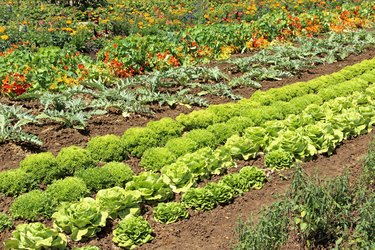
Lettuce
Lettuce

How to start your own Vegatable garden.

Difficulty: Moderately Challenging
Instructions
  1. Step 1
    Carrots.
    Carrots.

    Starting your own vegetable garden can be a great deal of work. However, if successful you will have access to fresh vegetables instead of store bought. First, you must set aside an area in which has soft earth or soil, it is best if you place a small fence around the area to prevent people from walking on top of it.

  2. Step 2
    Green Beans.
    Green Beans.

    Once you choose your spot, it is important to turn the dirt a few times and remove any roots or trash. In addition, it would be a good idea to purchase some top soil from your hardware store to add to your vegetable garden. Second, decide exactly what vegetables you want to grow. The easier vegetables to grow are String Beans, Carrots, and Lettuce.

  3. Step 3
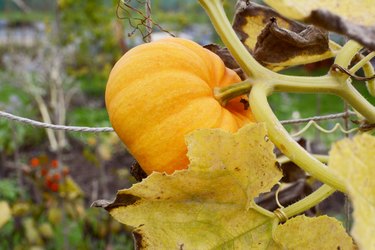
    Squash.
    Squash.

    You can purchase vegetable seeds from a hardware or grocery store. When planting your seeds, make sure you leave about 2 inches of space between each seed for room to breathe and grow. It is best to plant the seeds in the warm weather. The optimal time to plant seeds would be in the beginning of May. Once your seeds are all planted, make certain you water the area with a light spray for about 5 minutes. Remember, the seeds need water every day in addition to plenty of sunlight. Allow at least 5 weeks before you begin to see any results from your planted seeds. Fresh vegetables are good for you and they don't contain any chemical insect sprays.

  4. Step 4
    Brussel Sprouts.
    Brussel Sprouts.

    There are chemical treatment sprays available if insects begin to cause a problem in your garden. Many times gardens have problems with ants eating partially grown vegetables. Squirrels and rabbits enjoy the vegetable garden also. If you anticipate frost over night, it is best to cover your garden with plastic to prevent freezing. Hefty bags and plastic strips work very well.

Comments  

akcrin said

Flag This Comment

on 5/25/2009 Plastic sheeting isn't recommended for frost protection as it can actually make the problem worse. Use old, lightweight sheets or floating cover available in many small garden centers. The floating covers are also great for organic pest control since light and water can get through, but not pesky critters who may munch your seedlings or strawberries.

Post a Comment

Post a Comment
  • Have you done this? Click here to let us know.
I Did This

Related Ads

Home & Garden
Ruby Bayan,

Meet Ruby Bayan eHow's Home & Garden Expert.
Get Free Home & Garden Newsletters

Copyright © 1999-2009 eHow, Inc. Use of this web site constitutes acceptance of the eHow Terms of Use and Privacy Policy.   en-US Portions of this page are modifications based on work created and shared by Google and used according to terms described in the Creative Commons 3.0 Attribution License.

eHow Home and Garden
eHow_eHow Home and Garden