How to Plant Spinach in a Fall Garden

Spinach is one of the most nutritious of all vegetables, and it grows in every climate zone. It doesn't need fertilizing unless the soil it's planted in is especially depleted of minerals. If the spinach grows slowly, it may be a sign that nitrogen fertilizer should be added to the soil. Choose an area that is well drained in order to keep the spinach from developing fungal disease. Does this Spark an idea?

Things You'll Need

  • Tiller
  • Spinach seeds
Show More

Instructions

    • 1

      Place the spinach seeds in the refrigerator and keep them chilled for 1 to 2 weeks before you plant them.

    • 2

      Till the soil to loosen it and provide aeration. Remove any plant roots and seeds from the soil to prevent them from interfering with the new seeds.

    • 3

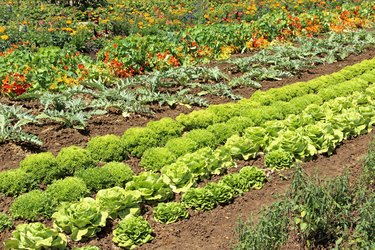
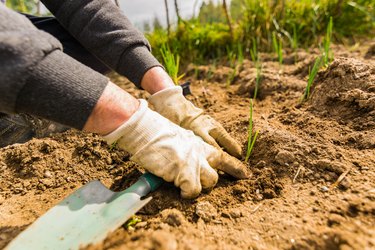
      Plant the seeds about ½ inch under the soil by pressing the seeds gently into the prepared soil. The seeds should be planted in rows that are about 1 foot apart. Plant about 12 seeds for each foot in each row. This may create overcrowding in some cases, but it allows for a thinning of the seedlings that will strengthen the crop as a whole. Water the seeds lightly, using either a misting spray or by laying the hose on the ground to soak the area. Spraying the seeds too roughly can cause them to be swept away by the water.

    • 4

      Thin out the weaker seedlings once the plants have grown to 1 inch in height. The thinned plants should be 2 to 4 inches apart. You can add some mulch in between the plants to keep moisture in the soil if you live in a very hot climate.

    • 5

      Pick the spinach when it reaches maturity. This will be roughly 2 months after planting for fall spinach. It may be as long as 75 days. Spinach should be harvested before the first solid freeze of the year, which can damage the plants. Spinach can weather several light frost, however, and continue to bear leaves.

    • 6

      Place a thick layer of mulch around the plants before the first hard freeze to keep the ground a warmer temperature once the winter sets in. This will allow the plants to survive the winter and to start bearing leaves again in the spring.

Related Searches:

Comments

You May Also Like

  • When Should Spinach Seeds Be Planted?

    Spinach produces a dependable cool-season crop of fresh greens for use fresh or cooked. Warm temperatures cause spinach to bolt and send...

  • How to Plant Spinach

    Spinach, like most leafy greens, is simple to grow and care for. It is a cool weather plant that can be started...

  • How to Plant Spinach in Containers

    Spinach is a cool-season vegetable and often one of the first planted in spring. Growing this leafy green in containers allows you...

  • Planting Fall Crops

    Springtime is a busy time in the vegetable garden, as you sow the season's first seeds in anticipation of the bounty to...

  • When to Plant Fall Vegetables

    Most people think it's cold that keeps vegetables from growing in fall and winter. While cold plays a factor, it is a...

  • When to Plant a Fall Garden in Virginia?

    Cool season crops grown successfully in the climate of Virginia include broccoli, cabbage and spinach. These crops can tolerate cold temperatures and...

  • When to Plant Fall Vegetables in Alabama?

    In order to harvest a second crop of vegetables in the fall, they must be planted with enough time to fully mature...

  • When to Sow Spinach Seeds in Zone 8?

    Spinach can be grown as both a spring and fall crop in U.S. Department of Agriculture hardiness zone 8. Since zone 8...

Related Ads

Featured