BravissimoS/iStock/GettyImages
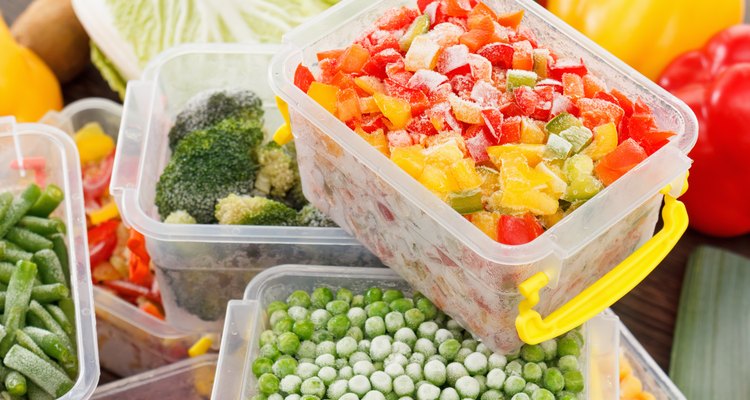
Whether you’re prepping for a disaster or trying to keep your pantry stocked, there is a distinct advantage to buying long lasting supermarket foods. These foods are packaged to retain their nutrition and flavor during long-term storage. They come in handy for everyday use and for when you’re out of other groceries, such as during a winter storm. However, no food lasts forever. Even long term storage items have expiration dates and special ways they need to be stored.
Canned Foods
Canned foods are a common choice for long term storage because they can last years and come in a wide variety of selections. Only buy shelf-safe food when purchasing canned goods for long term storage. Canned goods that require refrigeration, such as some types of canned meat, will not last a significant amount of time. Never buy or eat canned goods that are dented or rusted, as this can cause damage to the food inside. For the longest shelf life, purchase low-acid canned foods. These foods, such as corn and meat, can last anywhere from two to five years. High-acid foods, such as tomatoes and citrus, can last anywhere from 12 to 18 months. However, to determine the exact freshness date, you must check the can.
Dried Foods
Dried goods have much of the moisture removed from the food to help with preservation. Common dried goods for long term storage include rice, pasta and beans. Rice and pasta can last up to two years when properly stored. Dried beans can last around one year in proper storage conditions. Other dried goods, such as grains and vegetables, have a shelf life that depends entirely on the exact type of food and packaging. The only way to know how long a dried good will last is to check the expiration date. Regardless of the type, it’s important to buy dried goods that are sealed in waterproof packaging, such as plastic, for long-term storage. Dried goods stored in poorly sealed containers can spoil much faster, not to mention get wet and dirty.
Freeze-Dried Foods
Freeze dried food is dehydrated food that has most of the moisture removed in a special process that prevents ice crystals. Freeze-dried foods tend to offer a better preserved flavor than dehydrated foods. However, freeze-dried foods are made to be mixed with water, whereas many dehydrated foods may be eaten plain. Freeze dried foods good for long term storage include fruits, vegetables, meats and grains. Like dehydrated foods, freeze-dried foods can last for years, depending on the exact food in question. Claims vary from company to company, with some even claiming their food lasts decades. As with all supermarket foods, you need to check the sell-by date to know the exact shelf life. Freeze dried foods have limited selections at most large-chain supermarkets, but ample selections are available at many specialty supermarkets.
Storage Tips
All food is best stored in a dry and cool area, regardless of type. Storing food in a dry area helps prevent spoiling due to moisture. Storing it in a cool area helps prevent spoiling due to heat. For best results, store your food in an area that is cool, but constant, in temperature. Dramatic temperature changes and extreme heat or cold can affect the quality of the stored food.
Related Articles

What Are the Best Containers to Freeze ...
How Long Are Canned Meat & Vegetables ...

How to Store Dehydrated Foods

How to Dry Pack Long-Term Food in Mason ...
How to Preserve Food for Display

Maximum Storage Temperature of Canned ...

How to Store 6 Months' Worth of Food ...

How to Determine If a Spice or ...

How to Dry Cilantro at Home
How to Store Dry Beans & Rice for ...
Bugs That Get Into Pantry & Food

Shelf Life of Frozen Foods

The Advantages of Pickling Foods
How to Store Rubbing Alcohol
How to Buy Dried Seaweed

How to Store Clothes in Cardboard Boxes
If Meat Is Frozen, How Long Does It ...
Does Dry Chili Ever Expire?
Can You Cook Pork Two Days After ...

Effective Ways of Recycling & Reducing ...
References
Writer Bio
A writer since 2000, Aya Pauli has covered a variety of topics including food, fashion, beauty, health, parenting, education, decor and crafts. Her award-winning recipes have been published in food magazines such as "Taste of Home," and she is also the author of a salad cookbook. Pauli's craft projects appear in major manufacturer websites, including Dow Styrofoam. She also holds a CDA in early childhood education and works as a preschool teacher in Wyoming.