How to Identify Flowers
Flowers are much easier to identify when they're in bloom, but your task becomes more difficult when the blooms are gone and all you see are leaves. And, if you know little about flowers to begin with and just want to be able to tell one specimen from another, there are a few things you can do to educate yourself. Soon you'll not only be able to identify flowers, you'll know which ones are annuals and which are perennials. Does this Spark an idea?
Instructions
-
-
1
Visit a garden center and walk among the flowers, taking care to read the signs above the flowers that tells you what you are looking at. Take your time and study them. A public garden is another good place to visit, or even the garden of a friend. Gardeners love to talk about their flowers and plants.
-
2
Go to your public library or to a bookstore and find a book that shows clear photographs of flowers along with their leaves. You may need two books to get both flowers and leaves. Even better, subscribe to every seed catalog you can find. They are free, you can keep them forever, and they have great photos.
-
-
3
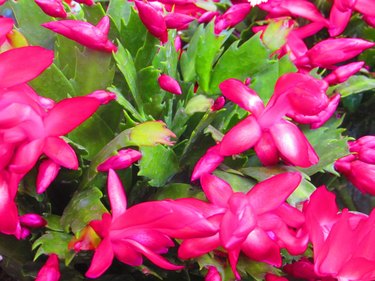
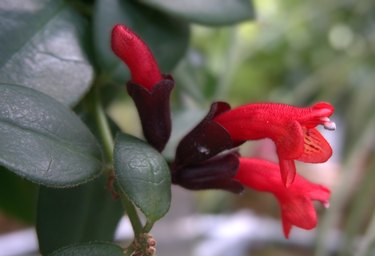
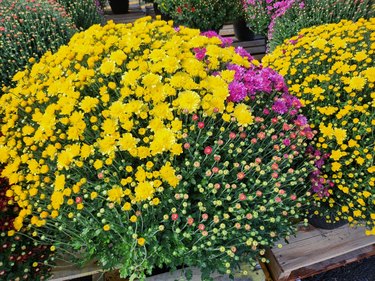
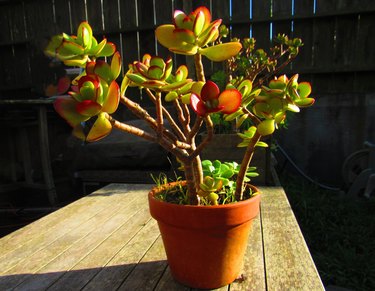
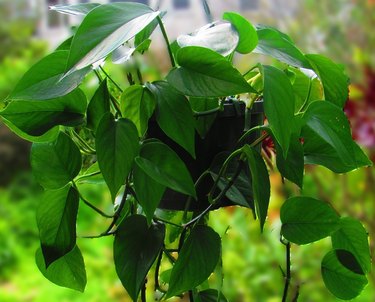
Take your flower books outdoors with you and look at the plants you are trying to identify. If the blooms are gone, look at the leaves carefully and compare them with the photos as best you can. If you are looking at a cyclamen plant, like the one in the photo directly above, the blossoms are exotic looking, similar to an orchid, and they come in various colors. The leaves are heart shaped. Geraniums, like the one at the beginning of this article, are made of clusters of tiny flowers, and their leaves have scalloped edges.
-
4
Clip a leaf from any plant you can't identify and take it to a garden center. Employees will help you determine what it is. Don't be embarrassed if you've clipped the leaf of a weed. There is no shame from starting where you are right now to learn what you don't know.
-
5
Continue to read and study gardening books and photos and gardening sites on the Internet. Eventually, you will be able to spot a hibiscus at 20 paces.
-
1
Tips & Warnings
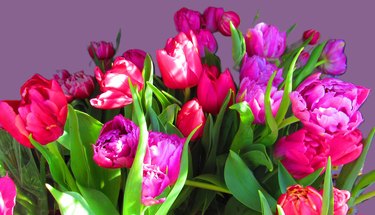
One way to identify plants grown from bulbs, such as daffodils, iris and tulips, is that they all have long, spiky leaves that are shaped like a snake's tongue. They dry up in the fall, turn brown, and no longer stand up straight. They start decomposing shortly thereafter.
Resources
- Photo Credit Photos by S. Miller