How to Grow Vegetables Inside

Growing vegetables inside is a great way to have fresh produce year round. It is also perfect for apartment dwellers who don't have access to a patio or whose patio faces the wrong direction.

When you start an indoor vegetable garden, you need to consider all of the needs of the plant, including the things that happen naturally outside. The area that you choose to grow your vegetables in will need to simulate the outdoors by providing the right light, water, nutrition, pollination and temperature. Below you will find tips to help you grow vegetables inside successfully. Does this Spark an idea?

Instructions

    • 1

      Light
      If you are only growing vegetables in the summer, placing your pots by a window may be all that you need to do. Place your pots in a southern or western facing window to get the most light. If you are growing plants in the winter, then the shorter days will not provide enough light for your indoor vegetable garden. You will need to use a supplemental light source that provides the full UV spectrum in order for your vegetables to do well. Ask at your home and garden center for grow lights or full spectrum fluorescent lights. Set your lights on a timer so that they turn on either early in the morning or in the evening to supplement the natural daylight. Garden plants need 6-8 hours of light per day to grow and produce well.

    • 2

      Temperature
      In the summer, most vegetables will do very well simply sitting by a sunny window. In the winter, however, the cold drafts from the window may make the temperature too cool for the plants to tolerate. Vegetables such as lettuce can handle cooler temperatures, but tomatoes and peppers require a warmer environment. Grow plants that need a warmer temperature away from a window and use artificial grow lights.

    • 3

      Water
      Vegetables grown indoors are not able get water from rainfall so you need to provide the water for them. Plan on watering your vegetables when the top inch of the soil is dry, or at least every other day.

    • 4

      Pollination
      Indoor vegetable gardens don't have bees to do the work of pollinating so you will have to do that by hand. Use a small paintbrush to transfer pollen from one flower to the next.

    • 5

      Pests
      One big advantage of growing vegetables inside is that they have very few pest problems. However, pests such as whiteflies and spider mites, that commonly affect regular houseplants, can also invade your vegetable plants. Treat the pests in your indoor vegetable garden the same way you would any other houseplant.

    • 6

      Nutrients
      When you grow vegetables inside, frequent watering quickly washes the nutrients out of the soil. You will need to add nutrients about every two weeks using a balanced fertilizer formulated for indoor plants.

    • 7

      Soil
      You shouldn't use typical garden soil for your indoor vegetable garden because it can harbor pests and diseases and it compacts over time. A good indoor garden mix is equal parts potting soil, vermiculite, peat and perlite. These things can be purchased at most home and garden centers.

    • 8

      Plants
      Certain vegetables do better than others when growing them indoors. Choose small plants that can tolerate some shade and low humidity for the best results. Some vegetables that typically grow to be very large may have smaller variants that you could try. Some plants to consider are:
      Bell peppers
      Hot peppers
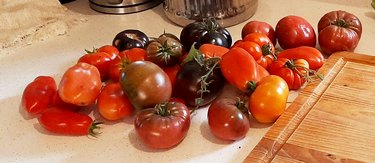
      Cherry and regular tomatoes, determinate
      Lettuce
      Carrots
      Radishes
      Onions
      Spinach
      Most herbs

Tips & Warnings

  • The yield will be lower when you grow vegetables inside.

  • If you are not sure what to plant, ask an employee at your local garden center to help you.

  • Buy seeds in the summer even if you plan on planting them in the winter so that you have a good selection.

Related Searches:

Resources

Comments

View all 10 Comments
  • Rob McKelvie Apr 04, 2009
    Thanks for your thorough article on how to grow vegetables inside. I've never tried it but I think I will now. I'm putting this into my favorites. 5*
  • Jennifer W. Apr 02, 2009
    Thanks for these tips. I never thought about growing vegetables inside. It's an idea I may have to try. Great article.
  • PhiMcRee Apr 02, 2009
    I never thought of having to pollinate them. Great tips!
  • tb711 Apr 02, 2009
    Great article. You did a great job explaining it.

You May Also Like

Related Ads

Featured