How to Make Your Own Backpacking Food
You've got your sleeping bag, your tent and a lightweight stove, and you're almost ready for a backpacking trip. Now, what about the food? You're going to want meals that pack plenty of nutrition and energy into every bite, but don't weigh much.
You don't have to limit yourself to the freeze-dried prepared backpacking foods from outdoor specialty stores. While these are convenient, they can also be expensive. With a little advance planning, you can make your own delicious trail meals from food you buy at the grocery store.
Things You'll Need
- Dried and canned foods
- Produce
- Zip-seal quart or half-gallon plastic freezer bags
- Plastic squeeze tubes or small plastic bottles like those for toiletries
Instructions
-
-
1
Plan your menu. You'll want to pack sturdy, non-perishable foods. Dried foods such as pasta, dried soups and raisins work well. Canned foods such as tuna won't crush in your pack but are heavy to carry, so use them early in your trip. Most fresh foods have a high water content, making them heavy, perishable and fragile---a head of lettuce will turn to a brown puree after a day in your pack---but some fresh foods are suitable. Root vegetables such as potatoes, onions, garlic, carrots and parsnips survive well, as do hard cheeses and meats such as salami. Some baked goods, such as whole-grain breads and bagels, pack well too.
Websites and books on outdoor recreation are good sources for backpacking meal recipes.
A sample menu for one day might be:
Breakfast: Ham and Egg Scramble, made with powdered egg, a can of ham and grated cheese.
Snack: Gorp, made with peanuts, raisins and chocolate chips.
Lunch: Bagel and peanut butter and carrots.
Dinner: Italian Chicken, made with canned chicken, tomato paste and pasta. -
2
Make a grocery list and shop for the foods you'll need at the supermarket or natural foods store. Think about how much you'll need for breakfast,lunch and dinner, as well as snacks, multiplied by the number of days you'll be on the trail. Keep in mind that you'll be expending more calories than usual, but you don't want to carry more weight than necessary. You'll likely eat lunch and snacks along the trail, and cook for dinner (and possibly breakfast) when you set up your camp for the night.
-
-
3
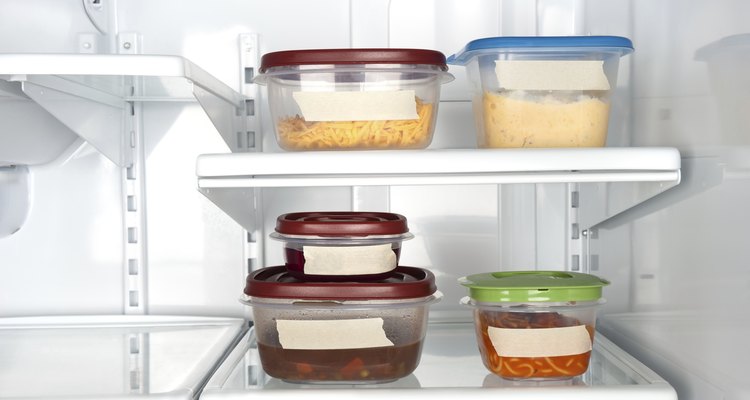
Plan one-pot meals and measure and combine the dry ingredients for each meal in a zip-seal plastic freezer bag at home. Label the plastic bag with the recipe directions. That way, all you'll need to do is open the bag for each meal, pour it into a pot or bowl, and add water or a canned ingredient. For apple pancakes, for example, combine dried apples, powdered eggs, dried milk, baking powder and flour in a plastic bag. Put cooking oil and maple syrup in small plastic bottles, and bring margarine in a plastic squeeze tube. When you're ready for breakfast, pour the dry ingredients into a bowl and add water. Pour the batter into a frying pan over your backpacking stove or campfire and add maple syrup to the finished pancakes.
-
4
If you have access to a natural water source such as a lake or stream where you'll be camping, be sure to decontaminate the water before drinking it or cooking with it. Iodine tablets or a water purifier will rid water of most microorganisms. If you don't have access to natural water, you'll have to carry what you need for drinking and cooking. Estimate ahead of time how much you'll need for the recipes you have planned.
-
1
Resources
- Photo Credit morguefile.com