This Season
 

How to add Lime and Fertilizer to a Garden or Lawn

How to add Lime and Fertilizer to a Garden or Lawnthumbnail
Lime and the Lawn

It's that time of the year again, when the garden is starting to wake up. Before you add your annual lawn and garden fertilizer, here are a few tips to make your plants grow.

Related Searches:
    Difficulty:
    Moderately Easy

    Instructions

      • 1

        What is lime? Lime is ground limestone. It raises the pH of soils (more alkaline). Lime also adds calcium to the soil, which can make stronger plants. Some people swear that lime also improves the soil structure and keeps moss and weeds down.

        Ideally, lime should be applied only after you've had your soil tested and the results require an application of lime. Because too much lime can have negative effects on our drinking water and it can damage plants when over-used, the yearly application of lime is not a very good idea. If you are not willing to get a soil test, then reducing your lime application to once every other year is a good compromise.

      • 2

        What is fertilizer? Lawn or garden fertilizer can be a variety of different ingredients. The basic answer is: fertilizer is nitrogen, phosphorous, and potassium. Fertilizer feeds plants and soil that may be lacking nutrients. It can be all organic or all chemical.

        Another reason why a soil test is beneficial, so you can know exactly what your soil is lacking and spend your resources ($$$) fixing the problem and not wasting money on fertilizers you don't need.

      • 3
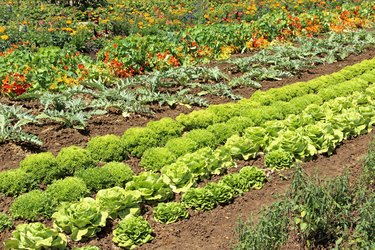
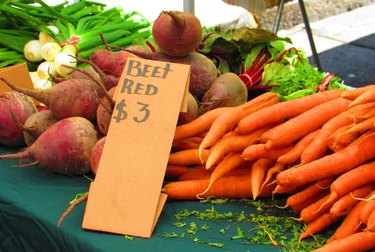
        Veggies like alkaline

        The best time to add lime is in the fall. Just after you've cleaned up the vegetable beds and raked the leaves off the lawn. Lime is dusty and can get into your lungs, so use a facemask before opening the bag. The application rate should be printed on the bag. Set your lawn spreader to the application rate and release just like you're fertilizing. For smaller or raised beds, you can use a hand spreader or a plastic cup, keep the dust off of plant leaves. Always err on the less is better side. Water well so that the lime doesn't burn the leaves of plants.

        Lime takes a long time to work it's way into the soil. It works slowly; you won't see result for a while.

      • 4

        Wait a minimum of 30 days before adding fertilizer. Lime and nitrogen counteract each other. They neutralize the other one and actually turn into ammonia. The basic meaning is: all the money you just spent on lime and fertilizer was a big giant waste. That's why we lime in the fall and wait until spring for the first fertilizer application. The years we lime the lawn, we skip the fall & winter fertilizing. Plants, just like us, don't like living in ammonia.

        Wait until spring to fertilize and do so according to the package instructions.

    Tips & Warnings

    • Get your soil tested every 3 years for the best results.

    • Spring fertilize

    • Fall lime

    • Don't add lime to compost unless you are trying to neutralize the nitrogen.

    • Always read the package labels for instructions.

    Related Searches

    Resources

    Read Next:

    Comments

    • PawPawFrankie Apr 05, 2009
      Very good advice on adding lime and fertilizer to your lawn and garden. 5*
    • Gardengates Mar 31, 2009
      As always, wise gardening information from an expert. Testing is always important, since, for example, I already have a lot of lime in my soil. Many soils don't.
    • sonni57 Mar 23, 2009
      Nicely done article on how to add fertilizer to a lawn. I need to do this my grass is pathetic.
    • justvera Mar 14, 2009
      Such strong looking plants !

    You May Also Like

    Follow eHow

    Related Ads