eHow launches Android app: Get the best of eHow on the go.

How To

How to Make Butter With a Food Processor

Contributor
By Fran Gardner
eHow Contributing Writer
(0 Ratings)

Do you remember making butter in kindergarten? The teacher put cream in a jar and we all took turns shaking it. It took a lot of time to make butter! Today, you can make fresh butter more quickly by using a food processor.

Difficulty: Moderately Easy
Instructions

Things You'll Need:

  • Cream Ice water Food processor Bowl Wooden spoon or potato masher Salt (optional)

    Butter is Made From Cream

  1. Step 1

    The amount of cream you need to start is not crucial. For a medium-size food processor, you should use at least a cup. A cup of cream should yield about 1/2 cup butter; 2 cups about 1 cup of butter.

  2. Step 2

    If you use cream from a carton, avoid ultrapasteruized cream or cream that includes thickeners such as carageenan. The ingredients list should have one entry: cream.

  3. Step 3

    Another source of cream is nonhomogenized milk. This is not the same as unpasteurized milk, which is not heated to kill bacteria. Nonhomogenized milk has not been processed to disperse the fat particles, so the cream in it rises to the top. This is the cream you can harvest to make butter.
    A half-gallon of nonhomogenized milk will have 3 to 4 tablespoons of cream at the top, so it will take about 4 gallons to get enough cream to make butter. You can keep a pint jar in the freezer and add cream to it as available until the jar is full---then make butter.

  4. Step 4

    Put either the plastic blade or the metal blade in the food processor. Add the cream. If you are using the cream from nonhomogenized milk, add about 1/2 cup ice water per cup of butter so you will have enough liquid for the processor to work its magic.

  5. Step 5

    Turn on the food processor and run it until the butter forms in a ball on top of the blades. With cream, this will take a couple of minutes. With the nonhomogenized milk cream, it's almost instantaneous, 10 seconds or less.

  6. Step 6

    If you used cream, drain off the resulting liquid, which is buttermilk. Drink and enjoy. The water you used with nonhomogenized milk fat is not as useful, and you can toss it.

  7. Step 7

    You can use the butter as is, or work it to add salt or make it store longer.

  8. Working and Washing

  9. Step 1

    Working and washing cleans more of the milk and water out of the butter. The butter will be firmer and last longer.

  10. Step 2

    Place the butter in a bowl. If you are going to add salt, do so now. A shake or two should do it, 1/4 teaspoon or less. Taste as you go and add more if needed.

  11. Step 3

    Add about 1/2 cup ice water. Using a wooden spoon or potato masher, push the butter hard against the sides of the bowl. Discard the liquid that results. The liquid will be milky.

  12. Step 4

    Add fresh water and work some more. Keep draining and adding fresh ice water and working the butter until the water runs clear.

  13. Step 5

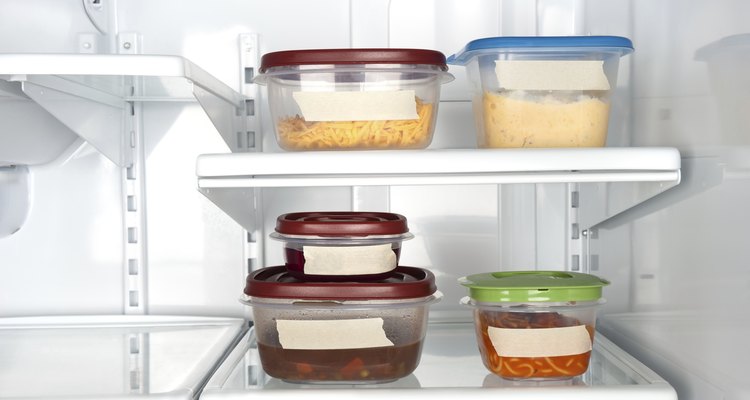
    Pack the resulting butter in a jar or small plastic tub and refrigerate. It will last about a week. For longer storage, freeze it.

Tips & Warnings
  • Butter made by this method is great for eating or cooking, but it is not ideal for baking (because it is difficult to get enough of the water out of it). Unless you are willing to work the butter for a long time to get the water out, baked goods made with it will tend to be dry.
Subscribe

Post a Comment

Post a Comment

Related Ads

  • Have you done this? Click here to let us know.
I Did This
Get Free Food & Drink Newsletters

Copyright © 1999-2009 eHow, Inc. Use of this web site constitutes acceptance of the eHow Terms of Use and Privacy Policy.   en-US Portions of this page are modifications based on work created and shared by Google and used according to terms described in the Creative Commons 3.0 Attribution License.

eHow Food and Drink
eHow_eHow Food and Drink