
How to Treat Swollen Knuckles
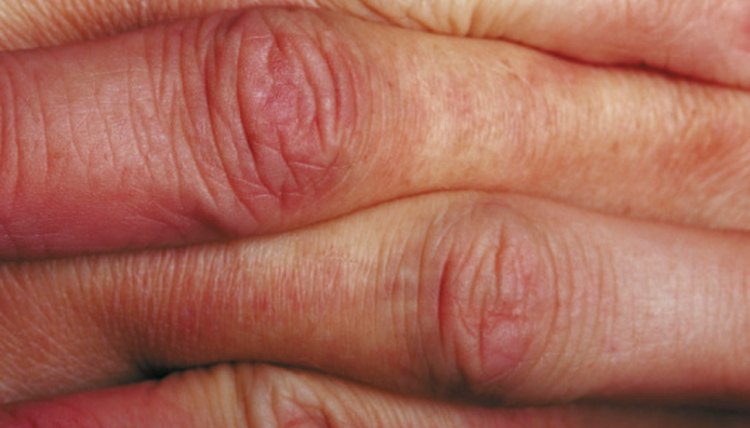
It is important to know the cause for swollen knuckles. While simple steps can help you fix symptoms like swollen knuckles, it is likely that you might have a more serious condition. Sometimes, the cause of the swollen knuckles is clear because you punched something very hard and it bruised your knuckles. If you do not have any trauma to your hand, you should see a doctor as soon as you can.
Rest your hand on a comfortable surface.
Ice your knuckles for 30minutes. Keep icing it off and on. You can use ice in a bag or a more comfortable flexible ice bag used to reduce swelling. They can bought at any local pharmacy.
Keep your hand elevated.
Take moderate painkillers to numb the pain. Pain killers like ibuprofen, Aleve or Tylenol are acceptable. Do not exceed the recommended dosage.
References
Writer Bio
Sarah Meem began writing in 2007. She specializes in coverage of Middle East topics, human trafficking and human rights issues. Meem has a Bachelor of Arts in international studies and Arabic from the University of North Carolina. She is pursuing a master's degree in social service administration from the University of Chicago.