Things You'll Need:
- A caulking gun
- Clear or white caulk
- Bait, traps, or insecticides
- A professional inspection
- Plastic or leather gloves
-
Step 1
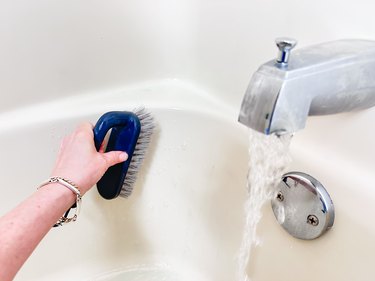
The first step in combating any pest invasion, future or present, is sanitation. Most pests survive on crumbs and bits of food left out carelessly by unsuspecting residents. Make sure that dirty dishes are never left on the counter or in the sink with food still on them. Make sure to at least rinse off the big chunks with a scrub brush and place them in the sink if not the dishwasher. Also, do your dishes at least once every 2-3 days. Never leave out trash or place trashbags on the floor. Always use a trashcan to deter pest access to your garbage. Never leave dirty laundry on the floor for extended periods of time.
Clean up any spills or messes as soon as they occur. -
Step 2
After sanitation, the second most important step is excusion. You won't have to worry about infestations if the pests can't get in. This is where a professional exterminator can be useful. If they let you, follow them around the inside and outside of your home. They can identify problem areas and can spot the signs left behind by insects. After they leave, cover any holes or cracks in your home with caulk. Mice can enter the home through holes as small as a quarter of an inch and insects can squeeze through surprisingly small spaces. Weather stripping your doors and windows is a great step in preventing insects from entering. If you like to have them open in the summer, install screens that allow the air to flow into your home bug-free.
-
Step 3
The last major step is removal. This step is for getting those bugs out faster after completing steps one and two and for combating persistent infestations. Visit your local home and garden store, such as Lowe's or Home Depot (Wal-Mart or Target will work in a pinch) and ask an employee about the different remedies available. Most stores stock baits, traps, and insecticides, so there should be plenty of options at your disposal. For more pest specific treatments, research the little critters on-line. There are several sites that recommend more humane methods for the less-squeamish.
-
Step 4
There are plenty of minor steps you can take to prevent insects in your home. With a little research, most are easily found. One tip is to eliminate cardboard and thin plastics as storage. Instead use sturdy plastic bins and tubs to store books, old clothing, toys in your attic, basement or closets; as well as for cereals, grains, pastas and seasonings in your pantry and cabinets. Refrigerators are generally a safe place to store foods due to the sealing methods they use, so make sure all fruits and veggies are either stored in hanging baskets or your fridge. Remember, the only safe foods to store in your cabinets outside of plastic bins are canned or jarred foods. Mice can chew through just about anything else.


Comments
trepond said
on 3/10/2009 Good article! 5*
moonlitcrystal said
on 2/19/2009 Yuck, nobody likes unwelcome guests in their home! Great advice.
toph said
on 2/17/2009 Good directions. In the city if you aren't on top of all of these steps, you get roaches and worse. Thanks! Five/Five.
williamfjordan said
on 2/17/2009 Great info, 5*
Smireles said
on 2/17/2009 Thorough article. Well written. 5*