
How to Get 6 Pack Abs in 2 Months
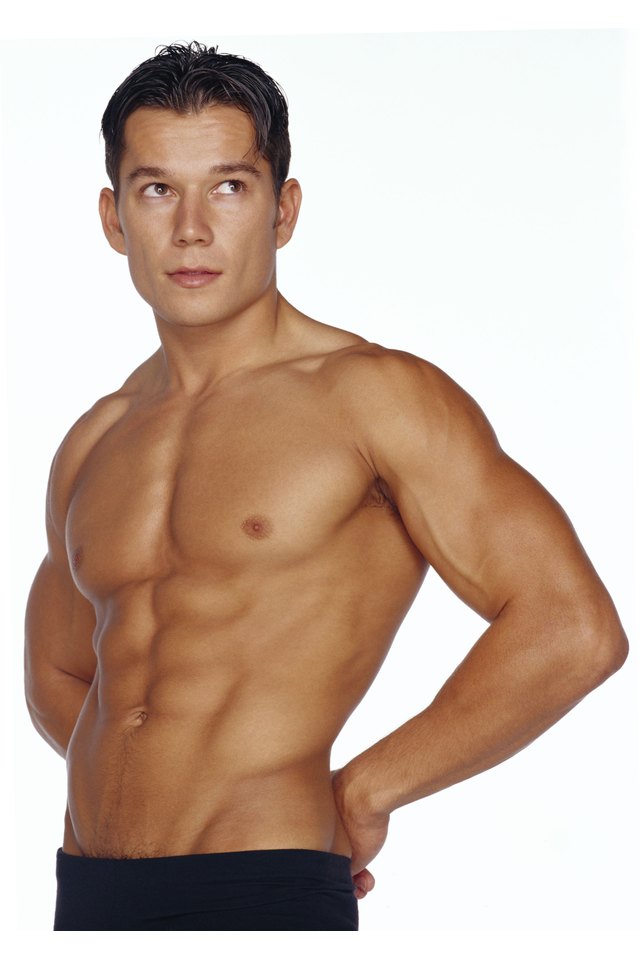
Getting six-pack abs in two months is possible with a targeted approach to diet and exercise. You must eat and drink with fueling muscle growth in mind and do exercise designed to work your abs and melt fat from the abs so that they are more visible. Use these diet and exercise tips every day with your regular workout routine for better and quicker results that you can see and feel within weeks.
Brand X Pictures/Brand X Pictures/Getty Images
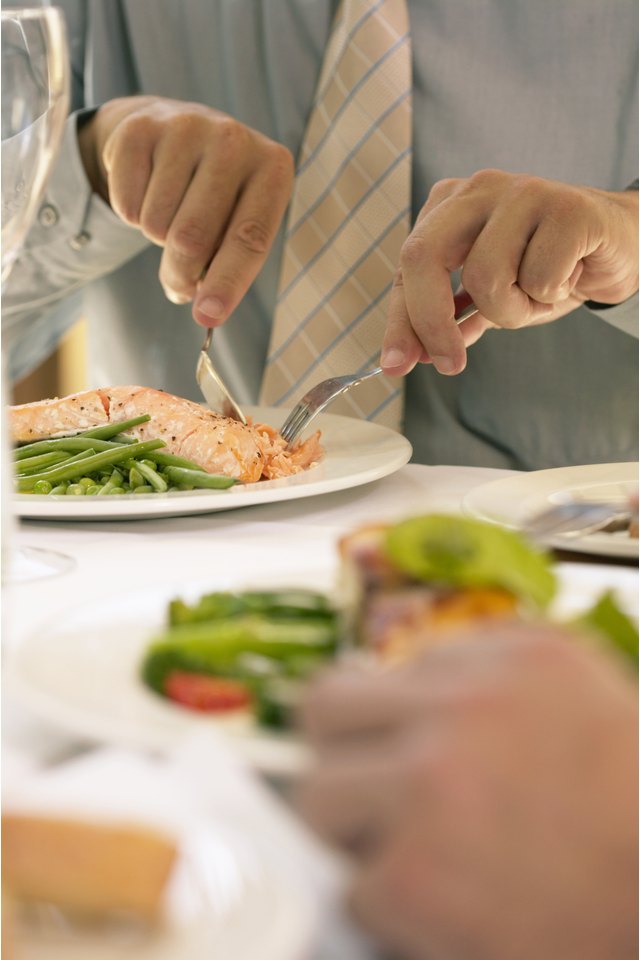
Eat and drink with muscle building in mind. Eat high-quality protein such as eggs, fish, peanut butter and lean meat. Your body needs high-quality protein to build muscle and to give you energy during a workout.
Brand X Pictures/Brand X Pictures/Getty Images
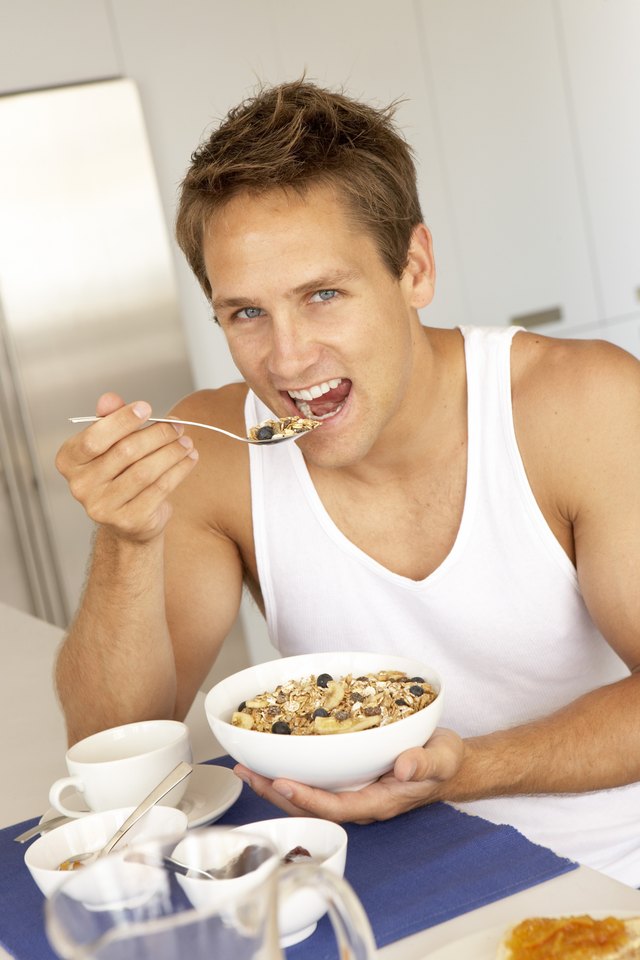
Eat breakfast. This will boost your metabolism, making it easier to lower you body fat percentage. A good breakfast should contain high-fiber, low-fat carbs, a high-quality protein and some fruit.

Brand X Pictures/Brand X Pictures/Getty Images
Don't skip meals. Skipping meals causes your body to think it is starving. To get the energy it needs, your body will end up using your muscle for energy, saving your fat for extreme starvation. If you want great ab muscles, it doesn't make sense to have your body destroy what you already have.
Brand X Pictures/Brand X Pictures/Getty Images
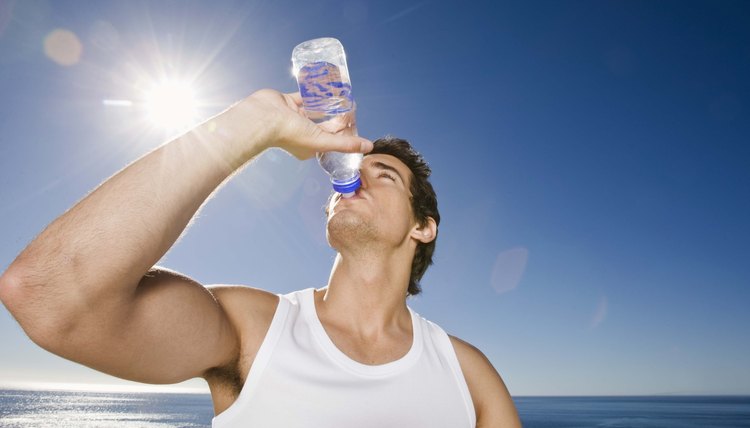
Drink plenty of water. Muscle needs water to grow, so you should drink at least 35 ounces of water a day. Drink more if your urine is yellow or cloudy and stay away from sodas or other sugary drinks.
Brand X Pictures/Brand X Pictures/Getty Images
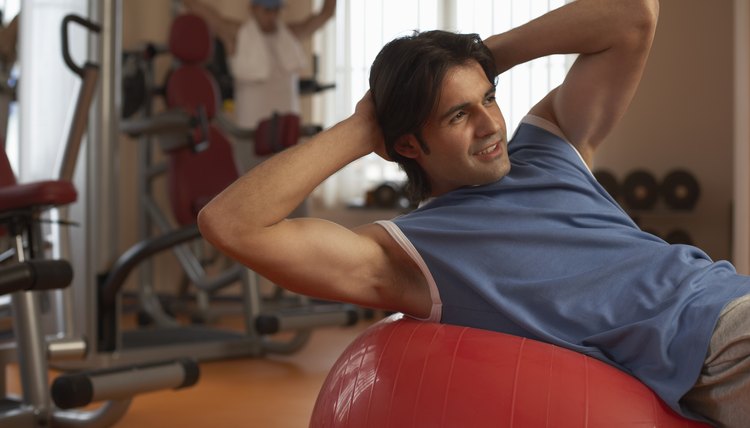
Put a small, soft ball under your lower back while doing sit-ups. This extends the movement of the sit-up, working all of the muscle groups that are included in the making of great six-pack abs.
Brand X Pictures/Brand X Pictures/Getty Images
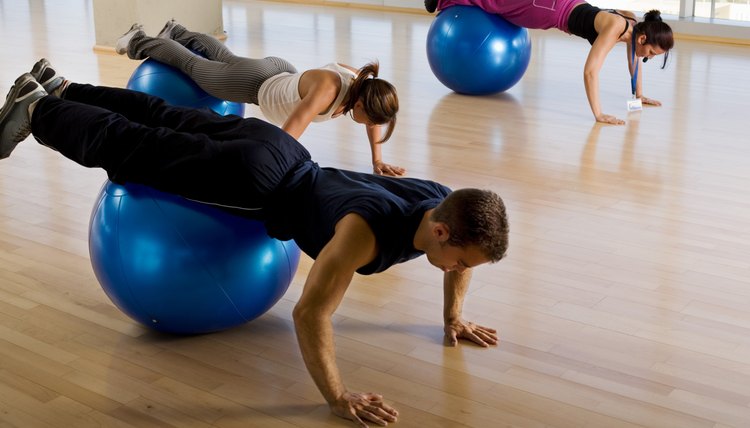
Do a stability ball plank. Lay down on the ball so that your stomach is on the ball. Put your feet together and your legs out behind you so that they look like planks with only the balls of your feet supporting you. Rest your elbows on the ball on either side of your body so that they look like an "L". Make sure that your back and abs are drawn in and held tightly. Hold yourself in this position for a count of 20-60. Relax your body and repeat. Do this for three sets of five.
Brand X Pictures/Brand X Pictures/Getty Images
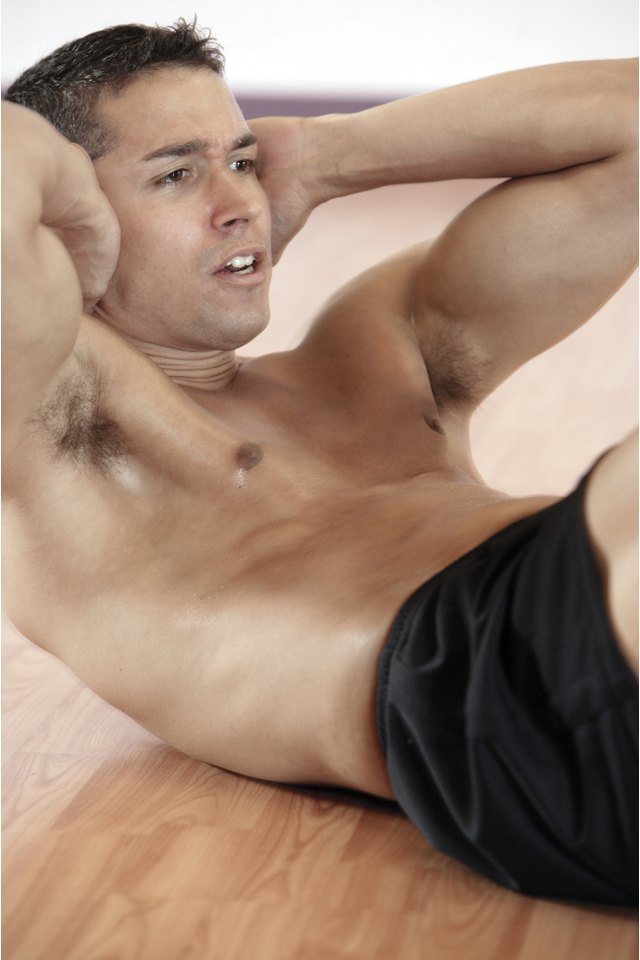
Do reverse crunches. Lie on your back with your arms to your sides and bend your knees. Put a small ball between your knees. Try to touch the ball to your chest just by clenching your ab muscles and moving your legs from the hip. Hold the ball against your chest for a count of three and go back to starting position. Do 12-16 reps.
Warnings
Consult your doctor before changing your diet or starting an exercise plan.
Warnings
- Consult your doctor before changing your diet or starting an exercise plan.
Writer Bio
Since 1998 Alina McKee has written for dozens of traditional and online beauty, fashion, health and parenting publications including Pregnancy.org, Mama Health and Real Beauty. As a professional artist, her articles about these subjects have been used in magazines and websites around the globe. McKee has a diploma in fine art from Stratford Art School.