How to Clean Mineral Deposits from a Toilet Bowl

How to Clean Mineral Deposits from a Toilet Bowl thumbnail
Clean Mineral Deposits from a Toilet Bowl

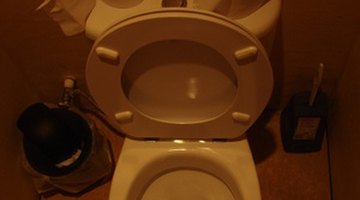
Mineral deposits that are not taken care of in a timely manner can build over time and lead to a tedious project to clean up. The deposits can be light brown or rust colored streaks or sections, clearly visible in your toilet bowl. Recently, I had the *pleasure* of cleaning two toilets in a vacated rental unit with severe mineral deposits. If you are patient and put forward the effort, these deposits can be removed and the toilet can look brand new. Does this Spark an idea?

Things You'll Need

  • White vinegar
  • Toilet brush
  • Household cleaning gloves
  • Pumice stone
Show More

Instructions

    • 1

      After determining that you have mineral deposits and not normal dirt (i.e., the discoloration does not get removed using a conventional toilet cleaner and brush), remove as much water as you can from the bowl. This can be achieved by either manually removing water from the bowl with a cup or bowl, or by flushing the toilet and preventing a refill of water by shutting off the water valve.

    • 2

      Fill the toilet bowl with white distilled vinegar, covering the stains. Depending on the location of the deposits, this may take several cups or quarts of vinegar. Leave the vinegar in the bowl overnight, making sure that the toilet is "out-of-order" for family members (including pets!!). The acid in vinegar should help loosen if not dissolve the deposits over time. In the morning, use a toilet brush to try and remove the deposits. If you are unable to get everything removed, proceed to the next step. If everything looks clean, go to step 4.

    • 3

      Flush the vinegar and refill the bowl with water. Put on your gloves, grab your pumice stone, and roll up your sleeves! Begin firmly scrubbing at the deposits with the pumice stone, making sure both the stone and bowl are wet. Unfortunately, this means actually working with your hands in the water. Continue to work at it - this could take some time to grind off the deposits. You may wonder if the pumice will scratch the bowl - if used wet, this should not be a problem as the pumice is softer than the toilet bowl's composition. In fact, you may find the pumice may crumble slightly as you work at the stains, and that you may need to refresh the water if it becomes cloudy. Continue working until the stains are removed. It actually took me about an hour each toilet (plus frequent breaks), so don't give up!

    • 4

      When you're satisfied that the stains are gone, flush again, and you're done! Make sure to regularly clean your toilet to prevent future build-ups.

Tips & Warnings

  • Mineral deposits can also form under the toilet rim where the water enters the toilet - be sure to check for deposits there.

  • Pumice stones can sometimes be found in cleaning supply sections of retail stores, but not many stores stock this item. Instead, look in the cosmetic/nail care sections for affordable pumice stones (they are also used in removing dead skin on your feet).

  • There are more powerful acids available for severe problems. However, these acids can be highly dangerous and require special handling. Look for muriatic acid (also called hydrochloric acid) for these difficult problems.

Related Searches:

Comments

View all 6 Comments
  • 63miranda Mar 29, 2009
    Yes, I struggle with the stuff under the rim. Thanks! 5*
  • veryirie Mar 07, 2009
    Excellent tips; I've used the pumice stone before but I hadn't heard about letting it soak in vinegar overnight. Thanks!
  • MIghtyDreamer Feb 03, 2009
    I like the white vinegar idea for mineral deposits. smart article
  • JMKnudson Feb 03, 2009
    I use vinegar for so many things, but I never thought of doing this. Great idea!

You May Also Like

Related Ads

Featured