eHow launches Android app: Get the best of eHow on the go.

How To

How to Identify Garden Snakes

Contributor
By J.R. Kendall
eHow Contributing Writer
(3 Ratings)
Identify Garden Snakes
Sloo

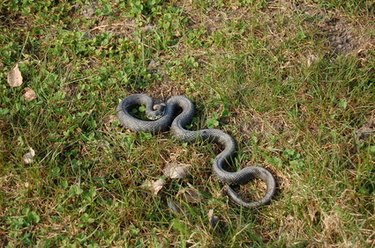
Garden snakes are a commonly-used term associated with the agile, harmless snakes often discovered in a backyard garden. This snake species is also called a "Garter Snake." They can range in color and size and be aggressive or docile, depending on it's subspecies and habitat conditions. Despite difference amongst garden snakes, this diverse reptile can be identified in several universal ways.

Difficulty: Moderately Easy
Instructions
  1. Step 1

    Study the snake's unique size and coloring. Garden snakes are generally at least 2 feet long, with the largest ones reaching 3 feet in length. Some garden snake species have a brown or green coloration. They also can have light-colored stripes along the side of their bodies. If possible, take a photo of the snake and write down notes about visual detailing (including the eye shape).

  2. Step 2

    Compare your information with subspecies maps and photographs available in educational books or online. Many cities (and colleges) have herpetological societies devoted to snake education. Additionally, you can go online to the U.S. Fish and Wildlife Services website (see Resources below).

  3. Step 3

    Analyze the snake's habitat. Garden snakes frequent parks, meadows, open grasslands, forests and woodlands, marshes, hillsides, gardens and neighborhood yards. They can be discovered near water and basking in the sun during warm temperatures. Garden snakes are common throughout North America, can be active during the day or night and give birth to live young.

  4. Step 4

    Watch the snake's behavior. Garden snakes have strong eyesight, are swift in movement and extremely agile. These snakes can tolerate extremely cold temperatures and hibernate later in the fall than other snake species. They become active again in early spring.

  5. Step 5

    Look for a forked tongue. Garden snakes utilize their tongue for their sense of smell and will frequently flick their tongue into the air.

  6. Step 6

    Discover the snake's prey. Garden snakes feed on the plentiful small creatures that abound in their habitats: grasshoppers, worms, small birds, mice, leeches, tadpoles, insects, toads, fish and frogs. They are called "opportunistic hunters" because they will attack prey if it travels within its striking distance.

  7. Step 7

    Watch for snake predators. Garden snakes are small meals for many different types of animals including raccoons, skunks, crows, hawks and owls. Smell the air, as a threatened garter snake will emit a sweet, unpleasant odor called "musk" as a defense mechanism.

Tips & Warnings
  • Only trained professionals should capture wild snakes, as many species are venomous and dangerous.
Subscribe

Post a Comment

Post a Comment

Related Ads

  • Have you done this? Click here to let us know.
I Did This
Get Free Pets Newsletters

Copyright © 1999-2009 eHow, Inc. Use of this web site constitutes acceptance of the eHow Terms of Use and Privacy Policy .   en-US Portions of this page are modifications based on work created and shared by Google and used according to terms described in the Creative Commons 3.0 Attribution License. † requires javascript

eHow Pets
eHow_eHow Pets