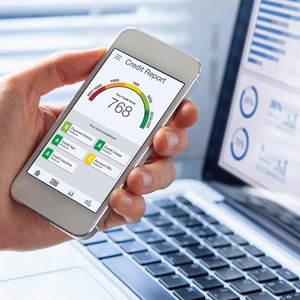


Your credit score affects you in several different ways. Based on how high or low your score is, you may be offered credit cards, mortgages, vehicle loans and other credit products, or be denied. If you’re accepted, your score will affect how much credit you’re offered and what your APR will be.
Understanding how FICO, Beacon (now Pinnacle), Vantage and other scores impact your personal finances will help you keep your credit scores high and your interest payments low.
Read More: What Are the Three Credit Bureaus?
What Are Credit Bureaus?
Your credit scores are generated using your credit history. The three main credit bureaus, also known as credit check companies, are Equifax, Experian and TransUnion. They keep track of your credit usage and provide lenders and scoring companies with this information.
When you sign up for most credit products, you agree to let lenders provide these three agencies with information about you, such as the amount of credit you have available, how much credit you’ve used and your payment history.
While this might seem like something you don’t want to happen, if you allow this, you allow other lenders to see your credit history. If you maintain a good credit history, you’ll then have access to more credit products and better deals. On the flip side, if you don’t take care of your credit, you’ll have a harder time getting good credit deals.
Read More: FICO Score vs. Credit Score: What's the Difference?
What Affects Your Credit Scores?
Different credit scoring and credit check companies use different models to create your score. Important factors that go into your score include: payment history, credit usage, credit mix, length of credit and new credit. Other factors, such as bankruptcies, debt consolidation, liens and collections, can lower your score.
Your FICO Score
The most-used credit scoring company by lenders is FICO. Its main competitor is VantageScore.
Your FICO score is created based on your payment history (35 percent), credit usage (30 percent), length of credit (15 percent) credit mix (10 percent) and new credit (10 percent). FICO also takes into consideration the other negative factors mentioned above. VantageScores can take into account non-traditional credit accounts, such as utilities and cable accounts.
The most important factor is your payment history. The more often you make payments on time, the higher your score. Late and missed payments damage your score. If you use less than approximately 25 to 30 percent of your available credit, that helps your score, but if you max out your cards (or get close to it), that damages your score.
Don’t close credit cards you aren’t using – the older your cards, the more scoring value they have. You have dozens of different FICO scores, because different types of lenders want different information about you. For example, auto loan providers look at factors differently than mortgage lenders versus credit card issuers.
Your Pinnacle Score
Each of the three credit reporting bureaus uses its own credit scores with information provided by FICO, explains MyBankTracker.com. Beacon scores were the scores originally created by Equifax. As the credit scoring agencies continued to fine-tune their scoring methodologies, Equifax Beacon scores became Pinnacle scores. Experian uses the FICO Advanced Risk Score, while Transunion uses FICO Risk Score NextGen.
Read More: How to Gain 200 Points Fast on Your FICO Score
Protecting Your Credit Worthiness
In addition to making payments on time, keeping your credit usage under 25 to 30 percent and avoiding major financial problems like bankruptcies and collections, you can protect your creditworthiness by monitoring your credit.
You are legally entitled to one free copy of each of your three credit reports (but not scores) annually. Visit AnnualCreditReport.com and follow the directions to get your free copies, or visit the Equifax, Experian and TransUnion sites to get your reports. You can purchase your scores from the credit bureaus and purchase credit report updates throughout the year.
You can also subscribe to a monthly credit monitoring website or one of the best credit apps that alert you when your credit reports or scores have changed. Typically, you can also log in and view your reports and scores each month. If you have credit cards, register for online access, which usually comes with a monthly credit score update.
References
Writer Bio
Steve Milano has written more than 1,000 pieces of personal finance and frugal living articles for dozens of websites, including Motley Fool, Zacks, Bankrate, Quickbooks, SmartyCents, Knew Money, Don't Waste Your Money and Credit Card Ideas, as well as his own websites.