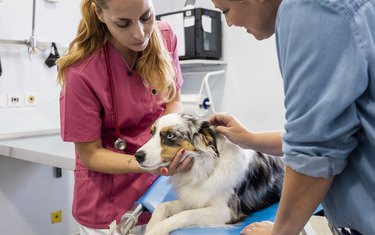
Many dogs will have surgery at one time in their life, usually when male dogs are neutered or female dogs are spayed. Dog owners may be asked to perform routine post-operative care of surgical incisions at home. These incisions require careful handling to prevent infection. Most veterinarians will provide care instructions when the dog is discharged. Contact your veterinarian immediately if the wound starts to smell bad or if you see discharge.
Video of the Day
Monitoring a dog's incision
A healthy incision should have clean pink edges that have been drawn together by the sutures. Although a wound less than 48 hours old may be a darker reddish-pink, it should never appear bright red or irritated. A surgical incision is typically covered with a bandage to keep it clean. Some surgical sites, such as the head, neck, or upper body, are either difficult to bandage or respond poorly if they are bandaged. These sites are typically left uncovered.
Video of the Day
If a wound is left unbandaged, it should be inspected frequently to ensure that no dirt, hair, or other debris has entered the incision. Bruising surrounding the incision is normal after the first couple of days. A small amount of blood seepage is normal for the first day after surgery but is cause for concern after that period.
Should I clean my dog's incision?
Surgical incisions must remain clean and dry to heal properly. Avoid bathing your dog until their incision heals. If your dog has a bandaged wound, the bandage should keep it from becoming contaminated. Should an uncovered wound become dirty, clean it with a saline solution, although tap water will do in a pinch.
Lavage, the process of using a bulb syringe to apply large amounts of warm water over a wound, is a gentle and low-pressure manner of cleaning an incision. A Waterpik or similar device produces a higher-pressure stream of water that may be more effective in delivering water to clean an incision.
Listen to your veterinarian's advice to determine when your dog needs lavage and exactly how to perform it on your pet's incision. Do not apply any alcohol, hydrogen peroxide, creams, or ointments to the wound unless directed by your veterinarian.
Stop a dog from licking their incision
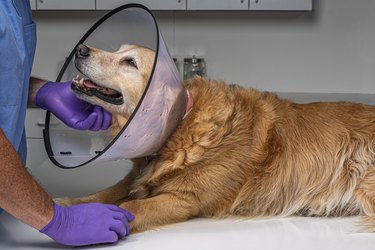
Sutures or skin can get torn any time your dog mouths their incision. Your dog might also soil or damage their bandage if they lick or chew it. Such activities may introduce bacteria to the wound. You can use an Elizabethan collar, also known as a cone or e-collar, to prevent your dog from licking the incision.
Your pet probably won't like the collar, and it has the potential to interfere with eating and drinking. There's also a potential for injury if your pet attempts to scoot under or between furniture. Breeds that slobber a lot can end up getting a collection of drool around their neck that can set the stage for a bacterial infection and prolong their recovery period.
Alternatives to the Elizabethan collar, such as a stiff plastic neck brace or a soft e-collar substitute, can also be used. Bitter liquids applied to bandages or a surgical site can also stop some dogs from using their mouth on the area. However, consult your veterinarian before applying anything to your dog's wound or its covering.
Don't forget to give any pain medication that the veterinarian has prescribed, as effective pain management can also prevent licking or chewing the incision.
Limit your dog's activity after surgery
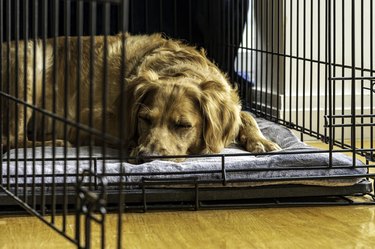
Crate rest and staying calm is best for your pet's well-being for the first few days after surgery. If your dog cannot be confined, do not allow them to jump on or off furniture or to run in the yard. Any strenuous activity can pull your dog's stitches, cause pain, and interrupt the healing process. Short walks on a leash at a slow pace are acceptable for most canines unless your veterinarian says otherwise.
The bottom line
It is important to care for your dog's incision appropriately after surgery. This includes monitoring the incision site for redness, swelling, oozing, or a bad odor. Follow up with your veterinarian if you notice any of these signs of infection. You can also clean your dog's surgery site but only if directed to do so by your veterinarian. Give pain relief medication only under your doctor's orders. You can use an e-collar to prevent licking and chewing. Carefully follow all post-operative instructions and always get in touch with your veterinarian if you have any pet health concerns following your dog's spay, neuter, or other surgical procedure.