Have you ever looked at the bottom of a plastic container (laundry detergent, milk, mustard, etc.)? Many contain a number surrounded by a recycling symbol. This code tells you which plastics are safe for recycling and general use and which are not.
Not all plastic is labeled with a number. If you're unsure of how to recycle an item,don't hesitate to call the manufacturer directly.
You can also look on food packaging for toll-free phone numbers where consumers can call and ask questions.
A quick rinse is all you need to do before taking plastic to the recycling center.
Polystyrene (No. 6) is considered a possible human carcinogen (a substance that is capable of causing cancer in humans or animals) by the World Health Organization's International Agency for Research and Cancer.
Polycarbonate (No. 7) can release its primary building block (bisphenol A), a suspected hormone disrupter of liquids and foods.
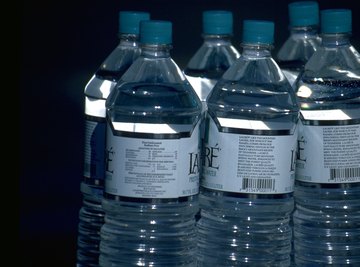
Most clear bottles (soda, water, etc.) have the No. 1 in the triangle. The No. 1 stands for PETE or PET (polyethylene terephthalate). These items can be recycled into fiberfill for winter coats, sleeping bags and bean bags. It can also be used for car bumpers, tennis ball felt.
No. 2 is for HDPE (high-density polyethylene). Milk jugs, bleach, shampoo, etc., will often contain this number. These are heavier containers that can be recycled into toys and piping. PETE/PET and HDPE are usually accepted at recycling centers.
PVC or V Poly(vinyl chloride) items will have the No. 3. It is used for pipes, meat wraps, cooking oil bottles, baby bottle nipples, vinyl dashboards and seat covers, coffee containers, vinyl siding on your house and linoleum. PVC is useful because it resists two things that hate each other: fire and water. When you try to burn PVC, chlorine atoms are released, and chlorine atoms inhibit combustion. Heating No. 3 plastics that contain food also may release chemicals into the food. Therefore, remove all plastic food wrappings before popping your leftovers in the microwave. Items made of No. 3 plastics are difficult to recycle, and likely will not be accepted at your local recycling center.
Grocery bags and sandwich bags will have a No. 4. This is for LDPE (low-density polyethylene). Even though these plastics are generally considered safe, most recycling centers will not accept them.
Number 5 is for PP (polypropylene). No. 5 plastics are often used for dishwasher safe cups and bowls, baby bottles, ketchup bottles, syrup bottles, yogurt tubs and diapers. More and more recycling centers are beginning to accept items made with No. 5 plastic.
PS (polystyrene) better known as Styrofoam has a number 6. Some common items are foam food containers, meat trays, packing "peanuts" and insulation. Researchers have noted that No. 6 plastic has a tendency to leach into the environment, and should be not heated. It is not recyclable and should be avoided.
Plastics that contain a No. 7 are any other plastic, including polycarbonate and BPA, and often contain a combination of plastics 1-6. These plastics are the most difficult to recycle and are seldom collected or recycled. You can return these items to the manufacturer so that you don't add more items to the landfills. This also puts the burden back on the makers to recycle or dispose of the items properly. Also, because you never know what's in it, avoid giving children cups made with No. 7 plastics, and do not use it to microwave food.
Tips
Warnings
Tips
- Not all plastic is labeled with a number. If you're unsure of how to recycle an item,don't hesitate to call the manufacturer directly.
- You can also look on food packaging for toll-free phone numbers where consumers can call and ask questions.
- A quick rinse is all you need to do before taking plastic to the recycling center.
Warnings
- Polystyrene (No. 6) is considered a possible human carcinogen (a substance that is capable of causing cancer in humans or animals) by the World Health Organization's International Agency for Research and Cancer.
- Polycarbonate (No. 7) can release its primary building block (bisphenol A), a suspected hormone disrupter of liquids and foods.
About the Author
This article was written by the CareerTrend team, copy edited and fact checked through a multi-point auditing system, in efforts to ensure our readers only receive the best information. To submit your questions or ideas, or to simply learn more about CareerTrend, contact us [here](http://careertrend.com/about-us).
Photo Credits
Jupiterimages/Photos.com/Getty Images