






-
Step 1
Symptom Check
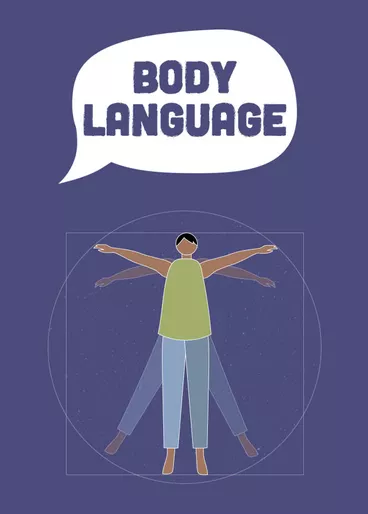
Individuals are not "double jointed". The true term is hyper-mobile. If you or your doctor suspects that you are hyper-mobile or that you have extremely stretchy skin, easy bruising, freguent falls or you have a child that has delayed motor skills ask to be screened for Ehlers Danlos Syndrome. People with Ehlers-Danlos Syndrome may also present with organ rupture and internal bleeding. -
Step 2
Specialists
EDS is an inherited disorder. Ask your family doctor for a referral to see an orthopedic specialist and a genetic specialist for an examination. If you are diagnosed with Ehlers Danlos Syndrome you will most likely be referred to a Rheumatologist as well. -
Step 3
Support
The internet is a good source of information. The Ehlers-Danlos The The Ehlers-Danlos National Foundation has a very informative website. http://www.ednf.org
Try to find a local support group. There are more groups every year and EDNF will help you find a group near you. If you can not find one nearby, think about starting one in your area. Support groups will help you keep up to date on the newest therapies and treatments. You will be your own advocate in your treatment which makes it all the more important to stay informed and to take information with you to pass on to your health care providers. Understand that EDS is not covered extensively in medical schools so try to be patient as you and your physician learn about your or your loved one's disorder together. -
Step 4
Physical Therapy
A physical therapist that is willing to learn about your EDS symptoms is imperative. Do not be afraid to ask any health care professional about their experience in treating EDS.
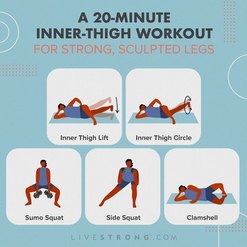
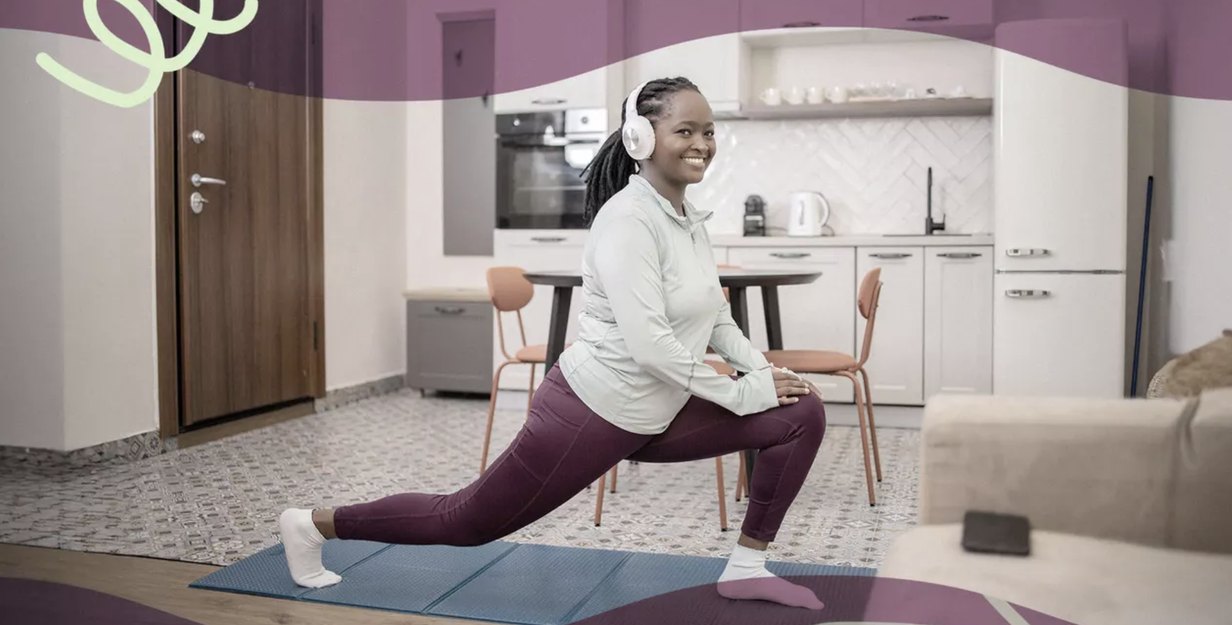
You will need to be kind to your body. Find ways to keep it strong without over stretching or overloading it. There are splints and braces. Exercises like Yoga, Pilates, Tai Chi and swimming, if recommended by your doctor, can be most helpful. -
Step 5
Pain Management
You may need a pain management specialist. Doctors that specialize in pain management are very important. They will help keep you functioning at your best level. -
Step 6
Mental and emotional well being.
Last but not least, a mental health professional can be helpful if pain and fatigue are causing depression. EDS patients are often labeled as hypochondriacs, lazy and unmotivated. Mental health professionals will help EDS sufferers cope and educate their friends and family about their symptoms.


Comments
bethanyatg said
on 3/3/2009 There are a lot of people out there with EDS that have not been diagnosed. I was lucky enough to be diagnosed back in the early 70's. Its good to see you looking out for others that need help.
dw628 said
on 1/18/2009 I have been down this long road to a diagnoses with the author. After years of pain and a hip replacement at a younger than normal age, she began to dig deeper for answers. I hope her advice will help others find their way to a diagnosis and support.