

The Average Life of a Central Vacuum

Instead of carrying a vacuum around the house, property owners can have a central vacuum system installed in their homes. Contractors install inlet valves with electrical wires throughout the house so that owners can plug vacuum tubes into any of the inlet valves.
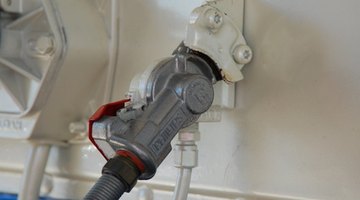
This reduces cleanup since the dust from the vacuum all travels to a dispenser. At times, some central vacuum owners think their systems are broken and simply replace the systems with portable vacuums until they can replace the system, but many times the vacuum can be easily fixed by a repairman.
Normal Life Span
Central vacuum systems tend to last much longer than portable vacuum systems. An average portable vacuum will last two years, according to DIY Life, while an average central vacuum system can last 20 years or more. While the central vacuum system costs more than the portable vacuum, the fact that the system does not need to be replaced for 20 years makes the system a better bargain.
Broken Motor
One problem that central vacuum owners run into is that the motor breaks down. Some motors have replaceable parts that the vacuum owner can order from vendors, but other vacuum motors are disposable. These vacuum motors are not a good option because replacing the motor can cost around $200, while the individual parts in the motor can be much cheaper.
Damaged Tubes
Vacuum owners can suck up items that can ruin the vacuum, such as nails and tacks. These objects can get lodged in the vacuum tube, which blocks air flow in that particular inlet valve. Some repairmen can get lodged objects out of the tubes; but in ; large central vacuum systems, repairmen might not find the object, which can shorten the vacuum's lifespan. Also, some objects can even puncture the tubes, reducing or even ruining suction. Whether or not the tube is repairable depends on the extent of the damage. Central vacuums have so much power that they can suck up many objects that other vacuums cannot suck up. These objects can get inside the motor of the vacuum and ruin the entire system.
Dirty Vacuum
Dirt also can clog the central vacuum and cause the system to stop working properly. Fortunately, these problems are usually easy to resolve and the owner does not need to replace the system. The wall tubing, dirt canister, filter bag and motor protection screen sometimes only need a good cleaning to get them functioning properly again.
References
Writer Bio
Charles Pearson has written as a freelancer since 2009. He has a B.S. in literature from Purdue University Calumet and is currently working on his M.A. He has written the ebooks "Karate You Can Teach Your Kids," "Macadamia Growing Handout" and "The Raw Food Diet."
Photo Credits
- Vacuum line image by waynocook from Fotolia.com
- Vacuum line image by waynocook from Fotolia.com
More Articles

