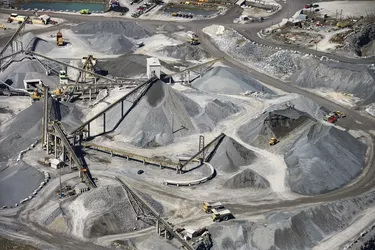
Many valuable minerals can be found beneath the earth's surface. In the United States, most mineral resources are classified as property and can be bought and sold. Depending on the transaction taking place, the execution of a quit claim mineral deed may accomplish the transfer of ownership.
Mineral Rights
Video of the Day
Minerals such as natural gas, coal and oil are located under the surface of the land. Ownership of land can be separated by the surface and the minerals beneath the surface. A property owner does not always own the rights to both.
Video of the Day
Mineral Rights Transfer
Selling the rights to any minerals you own can be quite profitable. Most people choose to sell the mineral rights to a gas, oil or coal company for a valuable sum of money. However, under certain circumstances a mineral owner may want to simply transfer the rights to another individual or company.
Quit Claim Mineral Deed
Quit claim deeds function to convey and quit claim property from the grantor to the grantee. When the property happens to be the rights to minerals, the title of the deed becomes a "quit claim mineral deed."
Functions
A quit claim deed grants ownership of property to someone. Unlike a warranty deed, the quit claim deed does not offer a warranty to the title. The buyer, or grantee, must accept the title as is. The seller, or grantor, does not accept responsibility to any discrepancy in the title after the deed has been finalized.
Recordation
A quit claim mineral deed must be filed on record at the county recorder or clerk's office. A record of the deed ensures that the transfer will show up on any future searches of the title by an abstractor.
Considerations
Development companies may offer to survey your property for minerals. If they are found, and you happen to own the mineral rights the company may offer to lease the mineral rights. Leasing the rights and quit claiming them are different. When the mineral rights are leased, the owner retains the opportunity to profit from the sale of the minerals.