Things You'll Need:
- Taste buds
-
Step 1
First and foremost, stop smoking! Cigarettes dull your taste buds for 28 days after one puff. It is stereotypical that the Chef smokes a lot, which can be true, but they do know it hinders them.
-
Step 2
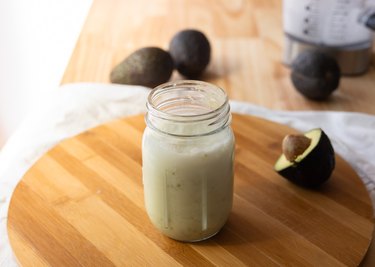
Developing your sense of taste is not entirely about trying new foods, necessarily; there is generally several different kinds of one type of food, for instance: avocados. There is over 800 species of avocado; only a handful of them are edible. There is something called a bacon avocado; it naturally tastes like bacon, but is an avocado. Branching out to new food doesn't have to be scary--start with what you are comfortable with and try getting it in various forms.
-
Step 3
A good portion of developing your palate, however, IS trying new things. Psychologically, we eat with our eyes and taste with our nose. But just because something does not smell amazing, doesn't mean it can't taste great. Give food the benefit of the doubt; worst comes to worst, you can always spit it out.
-
Step 4
Attend food, beverage, and sauce seminars whenever you get the chance! Even if it seems mundane (I once went to a soy sauce seminar) you will get the opportunity to learn a lot about it, and it will most likely wind up not being as dull as you thought before attendance.
-
Step 5
Taste BudWe most commonly recognize our taste as being broken down into sweet, sour, salty, and bitter. The Japanese add another, hidden taste in there called umami. If you could bottle this stuff, you would be a millionaire. It is basically the taste of aphrodisiacs such as various wild truffles and coincidentally, avocados, and the list goes on and is rather extensive. Umami is common in high-protein foods.
-
Step 6
Our prime age for taste sensory is 20-25. After this, our taste buds steadily decline over the decades. This does not mean you cannot massively strengthen your palate, though; it just means it is not at 100%.
-
Step 7
Taste buds are in little clusters of 50 and higher, like little bananas. They are able to recognize tastes in chemicals are categorize them. The more you pay attention to how things taste to you (and everyone is slightly different- if not immensely different)!
Keep in mind:
SWEET usually indicates energy rich nutrients. UMAMI is the taste of amino acids (i.e. meat broth or aged cheese). SALTY allows electrolyte balance while SOUR is typically the taste of acids. Finally BITTER allows sensing of diverse natural toxins. -
Step 8
I strongly suggest to keep a food and drink journal! This will help you remember names of things you have had and you will be able to compare easier.
-
Step 9
Piercing your tongue can not only go horribly wrong and paralyze half of your face, even worse...it can kill many taste buds! I know several cooks who have this pierced, but it does get in the way.
-
Step 10
Drink water when you are going in between trying different foods. Ginger is a great palate cleanser as well. Bread works too but if it is not very plain bread it can throw off your tasting.


Comments
Sounique said
on 12/6/2008 Very interesting!