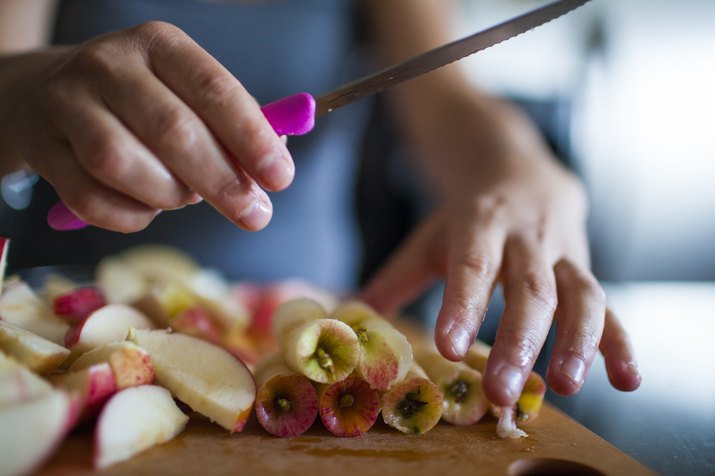
Apples hold a longstanding place in the hearts of fruit lovers. Long before refrigeration and long-distance trucking were thought of, anyone with a small plot of land could plant a succession of early and late apples, and have fresh fruit for most of the year. They're still cherished for cider, dried snacks, baking and especially eating out of hand. Most of the common uses for apples involve leaving a seedy core when you're done, either a single one from eating your apple or a huge stack after holiday baking. Those cores actually have more ingenious uses around the house than you might realize.
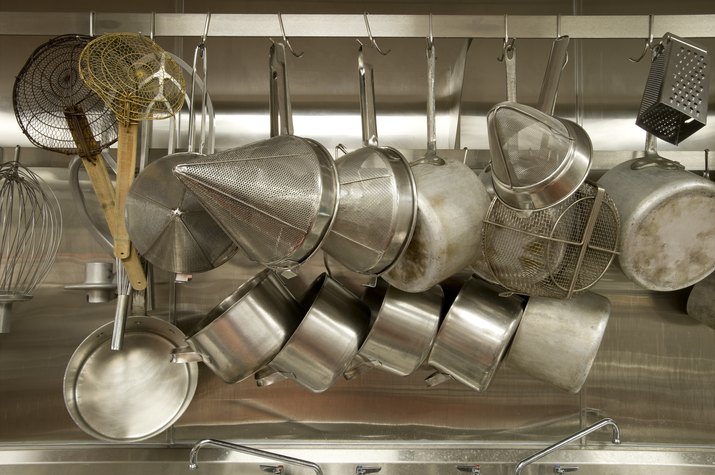
Clean Your Cookware
Cooks love aluminum pots and pants for their light weight and their excellent conduction of heat. One practical shortcoming of aluminum is its tendency to discolor, which is why you'll often see them lined with some kind of coating. If you have un-lined aluminum pots, apple cores provide a simple way to make them shiny again. Just chop up your cores (and peels, if you have those too) and simmer them in your pot for 20 to 30 minutes. The gentle acidity of the apples will bleach away the discoloration.
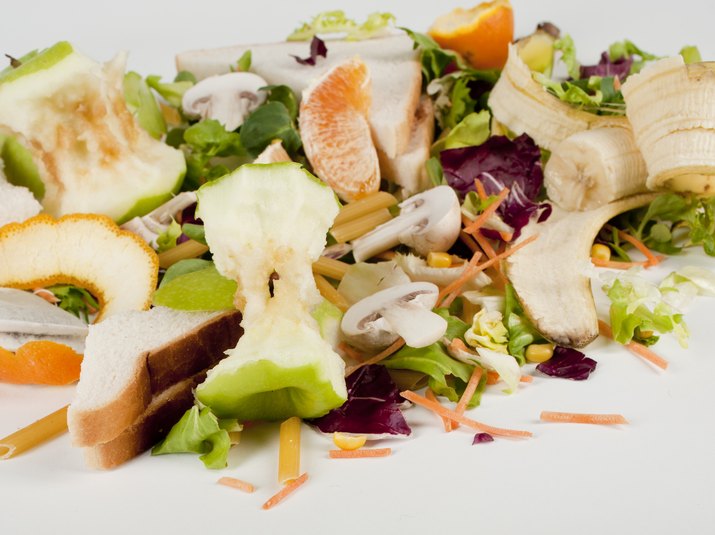
Compost for Your Garden
If you have a garden, this one's a no-brainer. Collect up your apple cores and peels, and add them to your compost along with other plant-based food waste. Compost works best with a combination of "brown" ingredients like straw or dead leaves, and "green" ingredients including food waste or grass clippings from your lawn. Apple cores are a classic "green" ingredient, and their perishability and high moisture content makes them break down quickly. This frees up nutrients to feed the worms and microorganisms that make your compost work, and can speed the development of your mature compost.
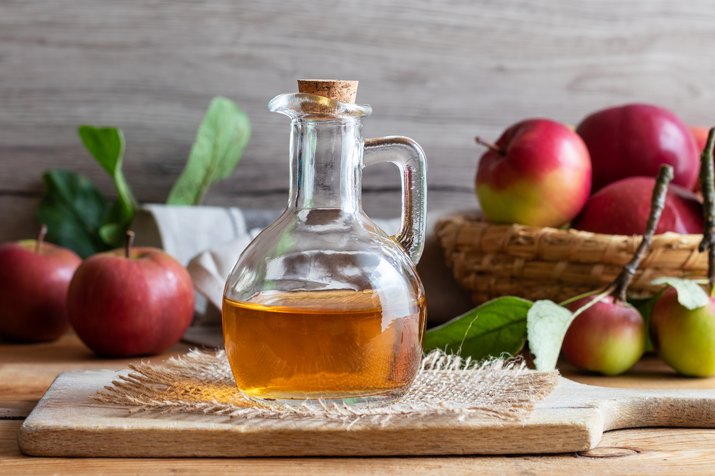
Make Your Own Vinegar
Apple cider vinegar is a big favorite with cooks and health-conscious eaters, and it has a pretty remarkable number of unorthodox household uses as well. If you have a quantity of apple cores and the patience to take on an interesting DIY project, you can make a batch of your own vinegar. You'll need the bacterial colony, or "mother" from an existing bottle of natural cider vinegar. Chop your apple cores coarsely and add them to a sterilized jar with enough water to cover, then add the mother and cover the jar with cheesecloth to keep out flies. It might take weeks or it might take months, but if you keep it warm you'll get vinegar. If that's too slow, chop or blend the cores and infuse them into plain old white vinegar for an intense apple flavor.
Make Potpourri
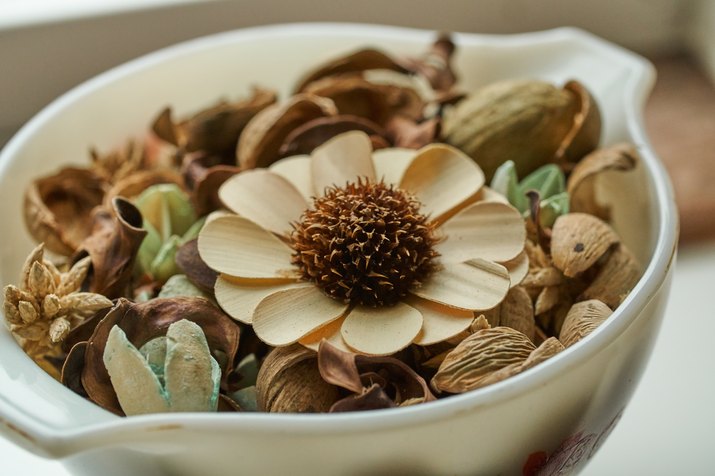
If you like to keep your house smelling sweet, you can use your apple cores to make potpourri. Dehydrate the cores in a dehydrator or low oven, until they're quite dry (you may find it faster to halve them first). Then, mix the dried cores with dried flower blossoms, dry citrus peel, warm spices such as cinnamon sticks, cloves and star anise, or anything else that appeals to you. You can simply leave the finished potpourri around the house in shallow bowls, or for a bolder scent, you can simmer it on the stovetop or in small potpourri pots heated over a candle.

Room Freshening Spray
If potpourri isn't your style, but you'd still like to occasionally freshen the air with a pleasant scent, apple cores can do that as well. Just chop up your cores and simmer them in a small saucepan with cinnamon, cloves or other aromatic spices. Once the water is thoroughly infused with those wonderful apple and spice aromas, remove it from the heat and let it cool. Strain the infused water into a spray bottle, and keep it in a cool place. When you feel the need to freshen up, spray the mist liberally in any room that needs it. It'll leave the air smelling fresh and pleasant, without using any harsh chemicals or overpowering sprays.

Feed the Birds
If you like the idea of bringing feathered visitors to your yard, or simply helping them survive the winter, apple cores can be a useful part of your strategy. Just spread the cores with peanut butter or other nut butter, then roll them in seeds and cracked grains. The mixture of fruit, grain and protein from the nut butter provides plenty of nourishment for your avian guests. If you have an open feeder, you can simply add the cores to it, but you don't need one. Tying a string to the core and hanging it in the branches of a tree will work just fine.

Treat Your Pup
If your pooch has ever stolen a cookie or cupcake from the table, you already know that dogs have a sweet tooth. Your apple cores provide a simple and healthy way to indulge them, and it's low-cost as well. Some pups love apple cores just as they are: Just remove the seeds (they're toxic, especially for small dogs with low body weight) and offer them to the dog as a treat. Otherwise, slice up the cores and dry them in a dehydrator or low oven. This concentrates their sugars and makes them even more irresistible. You can even add a dollop of peanut butter for added allure.
Freshen Up the Pantry
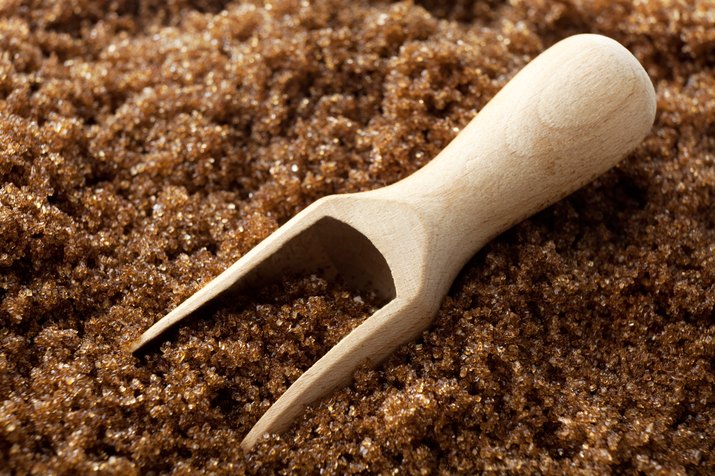
A lot of baking recipes call for brown sugar, including many of the classic fall favorites you'll use apples for. Those recipes almost invariably assume that your sugar will be soft enough to scoop or pack, but if you don't bake regularly, that's not always the case. Sometimes it will set into a solid lump and need to be softened before you can use it. Dropping an apple core into the sugar canister overnight works beautifully, and leaves the sugar soft and moist. You can also put an apple core into the bag or cake tin along with cakes or muffins, to keep them moist and fresh.

Give Yourself a Facial
The natural antioxidants and tannins in apples, and their gentle acidity, makes them a surprisingly good toner and exfoliant for your skin. The best way to take advantage of them is as a facial mask. Puree your apple cores in a blender or food processor with some oatmeal, and just enough water to make a thick slurry. Spread this on your face and leave it for 15 to 20 minutes (or up to 30, if you're in serious "relax mode") and then rinse it off. Your skin will feel fresher and look more youthful.
DIY Some Pectin
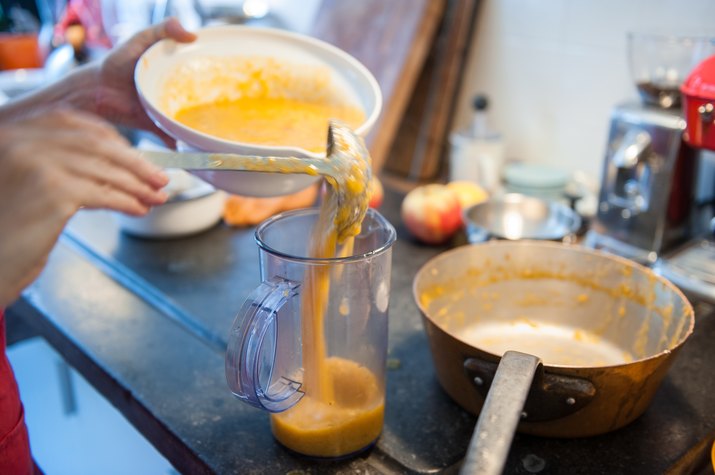
There's nothing quite as good as homemade jam or jelly on a warm biscuit or a slice of just-baked bread. Most fruits and berries need a bit of added pectin to gel properly, and apple cores (and peels) are rich in pectin. Just put them together in a pot with enough water to cover, and cook them for a couple of hours until they're completely soft. Pour the whole mess into a colander lined with several layers of cheesecloth, and let it drain into a sterilized bowl or container. Chill a spoonful in the fridge, then drop it into a small bowl full of rubbing alcohol. If it gels, your pectin is done and you can freeze or can it for year-round use. If it doesn't form a firm blob, bring it back to a boil and simmer it until it's reduced slightly, then test again. Repeat the boiling and testing until your pectin gels.
Advertisement
Video of the Day