If you fish for walleye pike on Lake Erie here are some fishing tips.
Items you will need
Original Erie Dearie walleye lure ,live bait
Minnows, night crawlers and leeches comprise the three principal baits for walleyes in Lake Erie. Smart walleye fishermen should bring all three, since Lake Erie walleyes will bite on these baits consistently.One of the most popular baits on Lake Erie is the Erie Dearie. The Erie Dearie or Original Erie Dearie walleye lure should be tipped with a live worm I have had my best luck catching walleye this way. The size of the Erie Dearie when fishing for Lake Erie walleye depends on water depth and drift speed of your boat. The lighter you can go on your Erie Dearie weight the better. When Tipping the lure make sure your night crawlers or worms are alive and active. Before walleye fishing trips place them in some bedding in a carton. Stuff wet paper on top of the worms and put the carton in a cooler or refrigerator.The worms absorb the moisture, which makes them fatter, lively and more enticing to Lake Erie walleyes.Tipping your walleye lures with live bait is a great combination has it presents walleyes with the scent and action of real food. Casting a jig tipped with a minnow, leech or a whole worm takes walleyes anywhere.
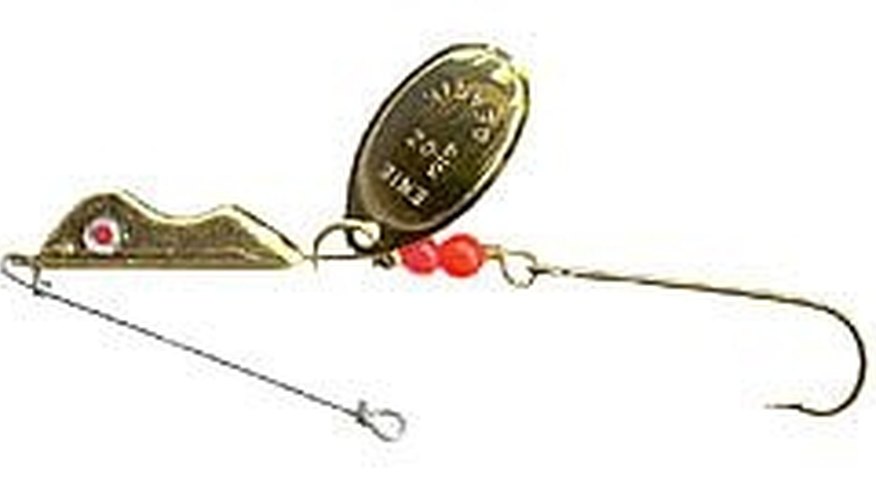
Erie Dearie for fishing walleye
You need a good fish finder to locate the walleyes and to see the depth of the water you are fishing.Another way is to watch where the other walleye fishermen are fishing and drift along with them. Drift fishing Lake Erie for walleye is the best way to produce good catches. These steps required to get a walleye to see their bait and potentially bite. Walleye fisherman need to stick to their walleye fishing techniques.The diet of walleye shifts very rapidly, from invertebrates to fishes, as the walleye increase in size. This is partly a reflection of their change in habitat from surface to bottom waters. Some walleye spinner rigs employ two hooks so that a worm or other live bait carries a hook in its midsection for short striking walleyes.
Drifting the Erie Dearie slowly keeping the fishing line tight works great for schools of walleye. If you are drifting to fast you can put a couple buckets over the side of the boat and they will slow the drift. We have done that many time and it worked great and kept the walleye bait deeper.If you are using minnows to catch walleye It is better not to use big minnows. 1 1/2 to 2 inches work best. You can still catch many Walleye without the minnow or crawler but it dose work better when the fish are being picky. I am sure there are many other tips for catching Lake Erie walleye these are the ones that worked best for us.
Tips
- Make sure to tie the buckets to the side of the boat (lol)
Tips
- Make sure to tie the buckets to the side of the boat (lol)
Writer Bio
This article was written by the CareerTrend team, copy edited and fact checked through a multi-point auditing system, in efforts to ensure our readers only receive the best information. To submit your questions or ideas, or to simply learn more about CareerTrend, contact us [here](http://careertrend.com/about-us).