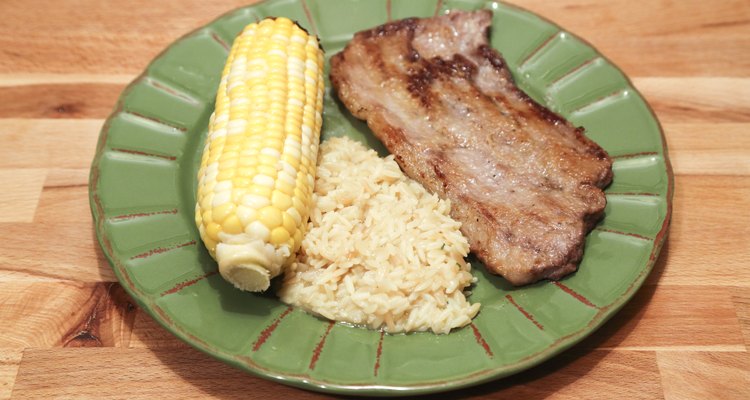
Nothing says home-cooked meal quite like the tender golden kernels of corn on the cob. While some say the secret is in the cooking, gardeners know that the secret to sweet, tender corn lies in cooking it fresh from the garden, as the sugar content decreases rapidly after picking. Starting with plump ears of fresh corn is as important as your cooking method. This versatile veggie cooks up quick and sweet whether you choose to boil, roast or microwave it.
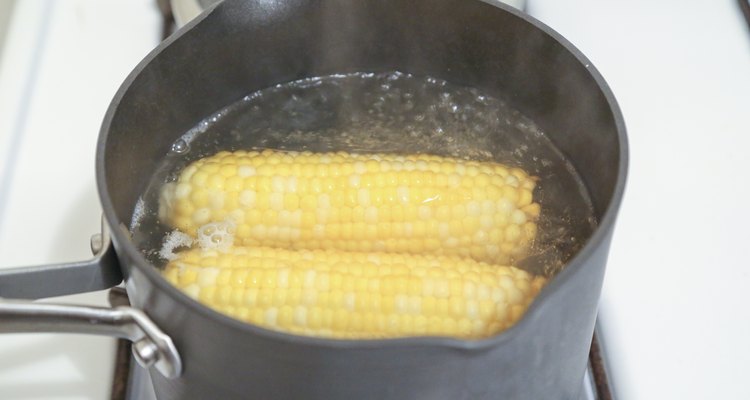
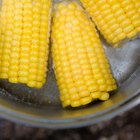
Bring a pot of water to a rapid boil over medium heat. Husk the corn, removing the silk and discarding it. Drop the husked ears of corn into the boiling water, using care not to burn yourself on the steam or hot water. Return the water to a rapid boil and cook the corn for 3 to 5 minutes. Test corn for doneness by pricking one of the kernels with a fork. If it produces a milky juice, your corn is not ready yet. Remove corn as soon as the kernels are cooked; overcooking corn in boiling water causes the kernels to become tough and reduces the flavor and aroma.
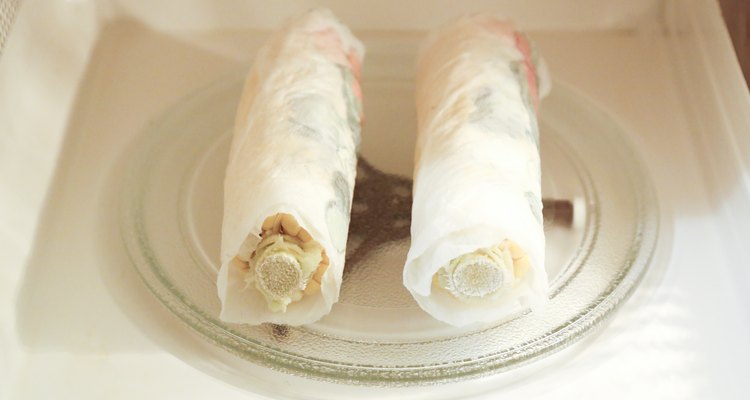
Wrap husked ears of corn in moist paper towels and place them side by side in the microwave. Cook on high for approximately 2 to 6 minutes. Alternatively, you can cook corn in the microwave husk and all, but you do need to remove the silk inside the husk. Pull back the husk, using care not to detach it from the corn. Use a soft cloth to rub the silk free from the ear of corn. Replace the husk and soak the ear of corn for approximately 1 hour. Place the ears of corn in the microwave and cook on high for approximately 5 minutes or until the kernels no longer squirt juice when pierced.
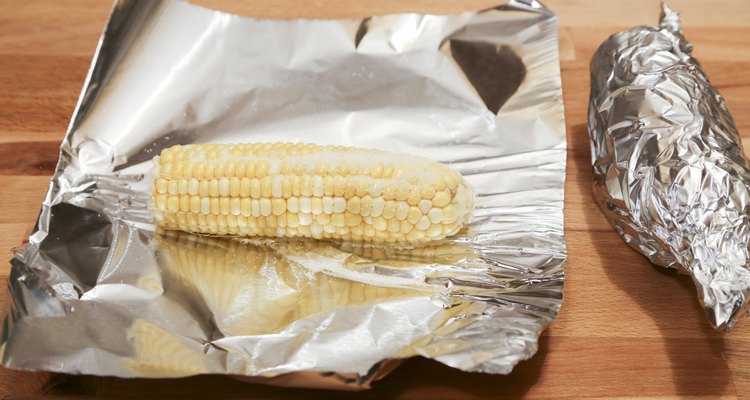
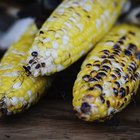
Husk the corn, discarding both the husk and silk. Brush the ears with olive oil or melted butter and season with salt and pepper and the seasonings you prefer. Wrap individual ears of corn in aluminum foil. Place the ears on the middle rack of the oven and bake at 450 degrees Fahrenheit for 15 to 20 minutes.
Related Articles
How to Roast Corn in the Husk
How to Freeze Corn on the Cob Without ...
How to Microwave Corn on the Cob With ...
How to Roast Frozen Corn With Olive Oil
How Long Do Ears of Corn Take to Roast ...
How to Cook Oven-Roasted Corn
Why Is My Boiled Corn Chewy?

How to Cook Corn on the Fire
How to Freeze Sweet Corn Off the Cob

How to Tenderize Corn
Different Ways to Cook Whole Kernel Corn
How to Freeze Fresh Corn on the Cob
How to Freeze Corn on the Cob Without ...

How to Make Corn Soup
How to Bake Kernel Corn in the Oven
How to Steam Frozen Corn on the Cob

How to Steam Corn on the Cob Without a ...
How to Grill Corn in a Conventional Oven

How to Dry Corn for Popcorn
How to Dehydrate Popcorn
References
Tips
- Corn can also be roasted on the grill either wrapped in aluminum foil or cooked in the husk.
- If you choose to grill corn in the husk, don’t forget to remove the silk and soak the ears in cold water for 2 hours beforehand.
- Corn on the grill cooks in 15 to 20 minutes, but does need to be turned frequently to ensure even cooking.
Warnings
- Use caution when opening the foil on corn as steam may escape posing the risk of burns.
Writer Bio
Nannette Richford is an avid gardener, teacher and nature enthusiast with more than four years' experience in online writing. Richford holds a Bachelor of Science in secondary education from the University of Maine Orono and certifications in teaching 7-12 English, K-8 General Elementary and Birth to age 5.
Photo Credits
Diane Shear/Demand Media